GETTING JIGGY WITH IT!


Spring is one of the best times for jig fishing and Fishing in Godzone’s Matt Hewetson looks at the options.
Jigging for snapper and other popular table species isn’t a new method for Kiwi anglers and those who are a bit older like myself (50 years+), will remember back when it was pretty much just a couple of jig options available. With local favourites Grim Reaper or Lethal Lures usually kept in most angler’s tackle boxes.
Since then, we have seen a huge increase in the types of jigs introduced by the local tackle distributors which has become so competitive for space in the tackle shops. Walk into a store and go and look at all the sizes, styles and colours on the walls and you can spend hours assessing your options!
This is a great thing in my opinion, as we all want variety to choose from and competition helps keep pricing down. With the price of bait and berley at an all-time high, using a jig over multiple trips is cost effective and the reason so many new lures are coming out each season.
Over spring the inshore waters are teeming with large baitfish schools which have returned to Godzone waters, and these are followed by all the predators. Fish like snapper, trevally, kahawai and kingfish are found under these baitfish in good numbers and are aggressively looking for a feast after the lean winter months.
When I head out in the boat off Northland or in the Hauraki Gulf to fish in springtime, we are looking to fish from 30-50m, and jigs are the best way to reach fish quickly and while we drift. We have found several jigs are better at times over others and having a good selection of styles, weights and colours can make a big difference at the end of the day.
Below are the different options we take and how to fish them successfully.
FAST DROP SLIM JIGS
When you are lucky to locate a workup with diving gannets in amongst dolphins that are rounding up the baitfish. It is best to employ slim styled jigs which are designed to get down faster to the seabed and are best fished vertically. The slim but uneven profile of Black Magic’s Flutter Jigs is perfect - as they cut through the water column and look like a wounded baitfish
The best approach is to send them straight to the bottom amongst the workup action and often they get hit on the way down or as soon as they land on the bottom. Lift the rod and wind in a quick short action and then return to the bottom after a dozen or so turns on the handle if you aren’t hooked up.
Keeping your boat directly over the jig to fish them vertically will make a big difference to your hook-up rate and if fishing in light winds or current, you could go down to 40-60gm and when the drift picks up you will need to go up to 80-120gm jigs.
SLOW PITCH JIGS
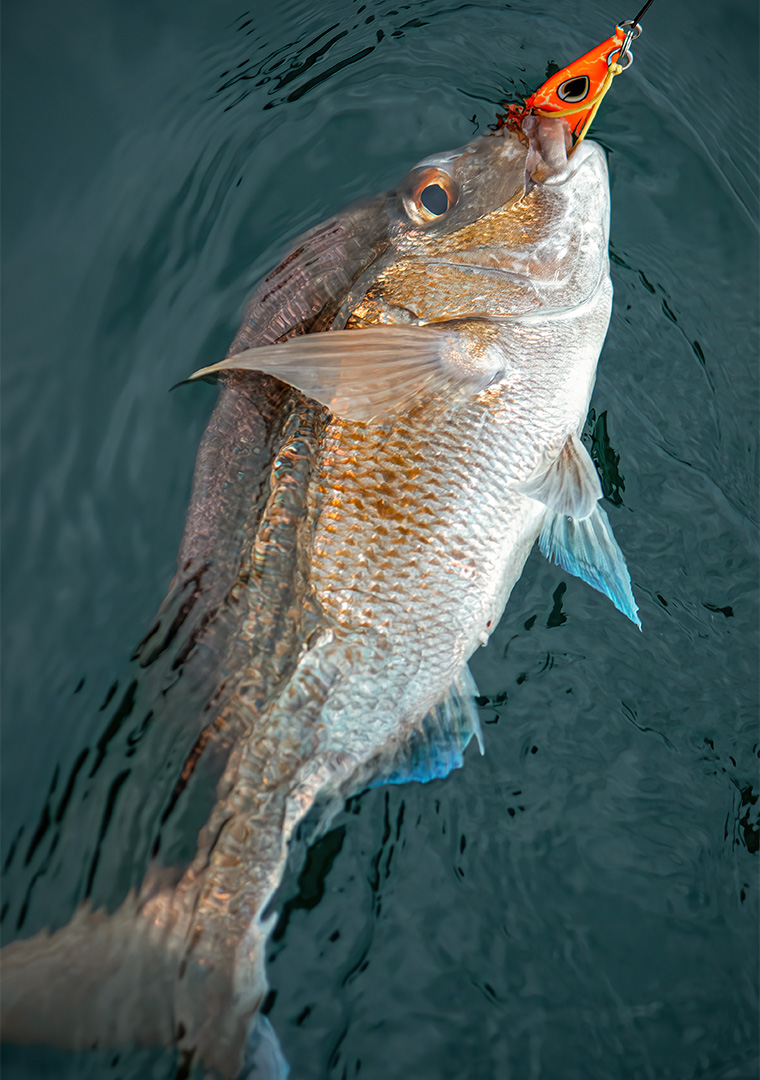
The variety of global jigging methods has seen many styles introduced to our Kiwi shores and slow pitch jigs are one of these to gain popularity over the past few years. They are best used when prospecting in deeper water (20m+) and will often catch several species with their great erratic action.
Many of these jigs have keels or offset sides to create a fluttering action when on the drop. We have found these jigs not only catch good fish when dropping them amongst a workup but also to fish sign when hunting out in deeper water.
They are best used by dropping jigs to the bottom and lifted high then dropped back while retrieving line once the jig stops. You are looking to create a yo-yo effect and again are best fished vertically staying connected with the jig ready for strikes. A longer handled overhead reel with a quicker retrieve is also best for fishing them effectively.
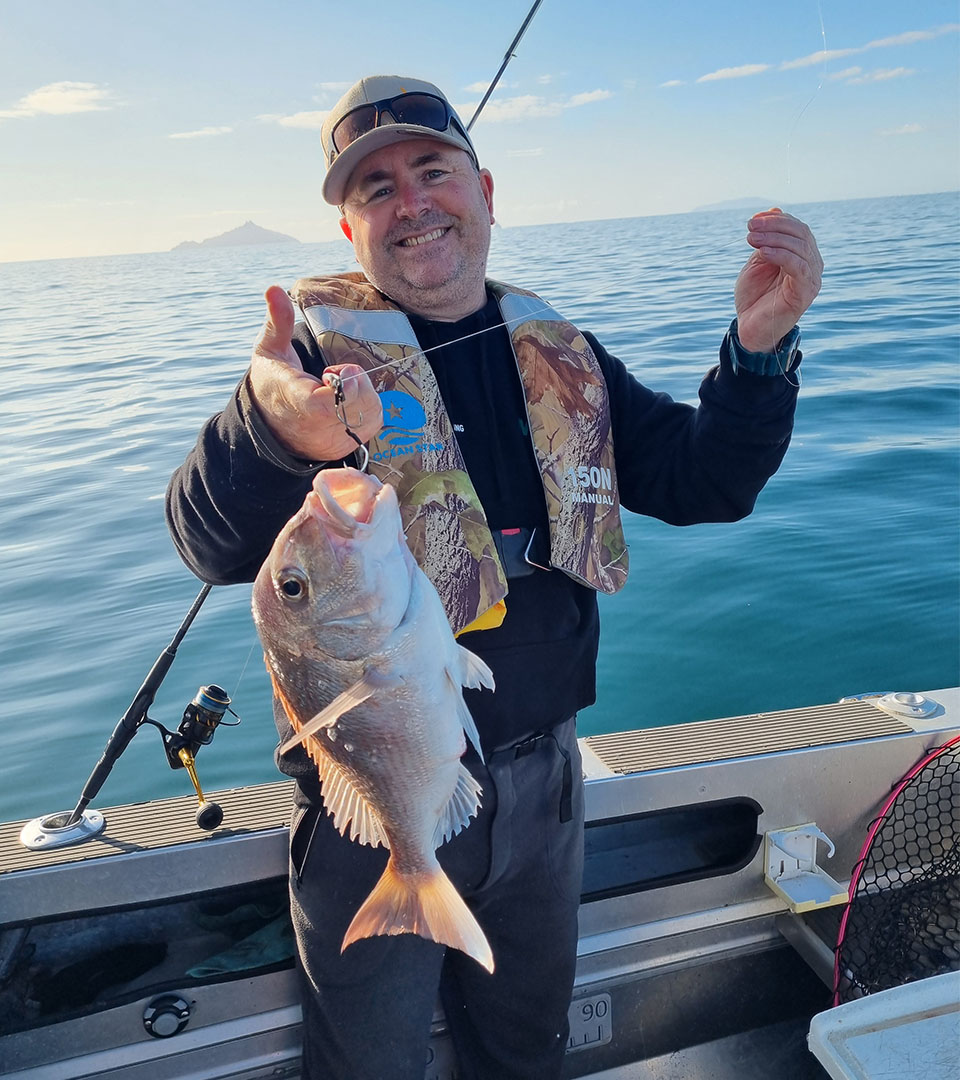
Slow pitch jigs such as the Flipper Jig Range have performed well over the past couple of years, having landed good snapper and many other species on various colours.
MICRO JIGS
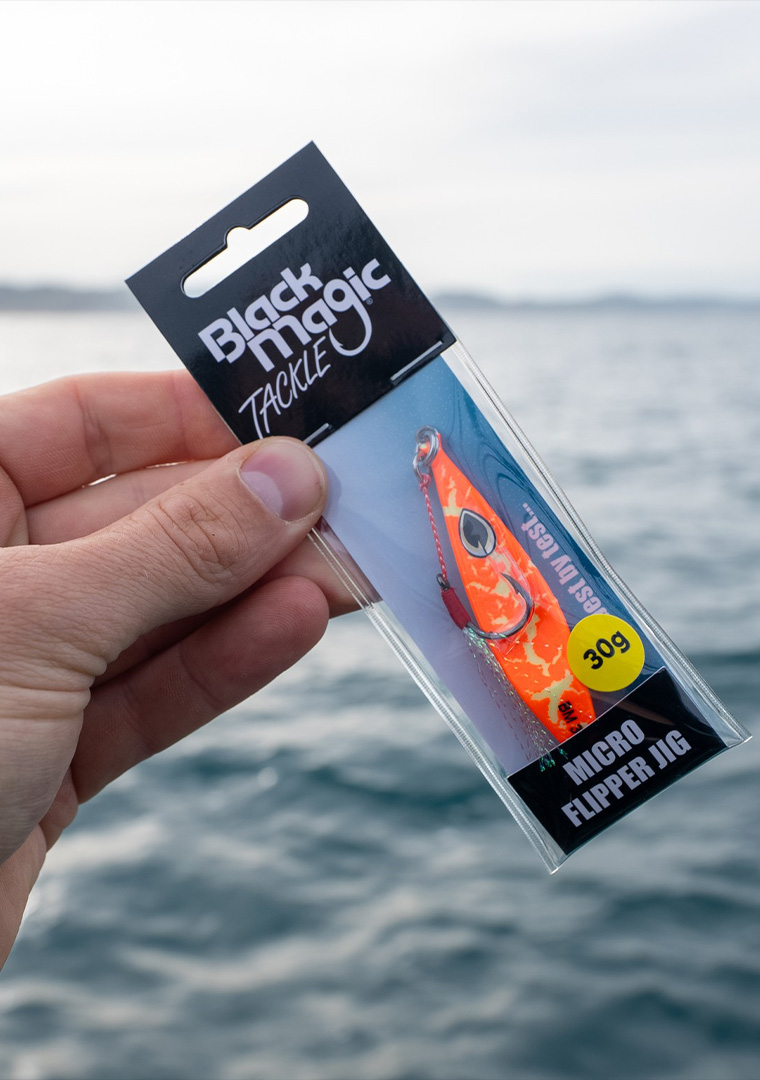
The old saying “big bait, big fish” maybe true for many anglers who employ larger baits or big jigs, as their profile does stand out better. However, many good fish are caught using the smaller micro jigs. These jigs are typically under 50gm and have proven surprisingly deadly on catching big fish.
These little jigs are best used when out deep on calm days with little current or drift, or they can also be cast in shallower harbours or even from the shore and worked back to the angler. It is a good idea to switch to lighter leaders (15-18lb) to work the jig better and either cast them in shallow water or fish vertically. If the current is fast or wind picks up, then cast them well ahead of the boat’s drift.
Black Magic have just released their Micro Flipper Jigs in 20gm, 30gm and 40gm which look great with strong assist hooks that have crystal flash dressing for added attraction.
SKIRTED JIGS
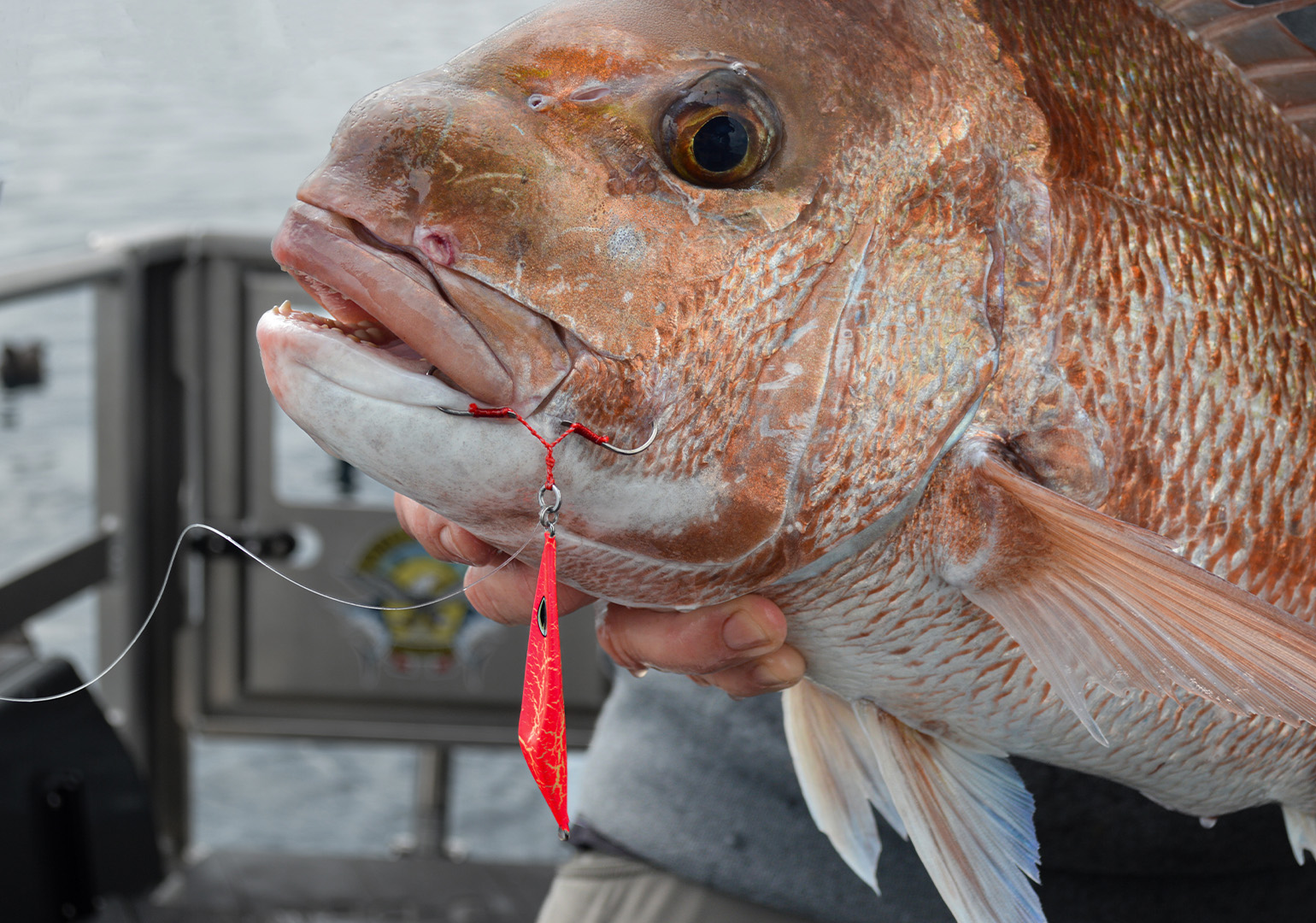
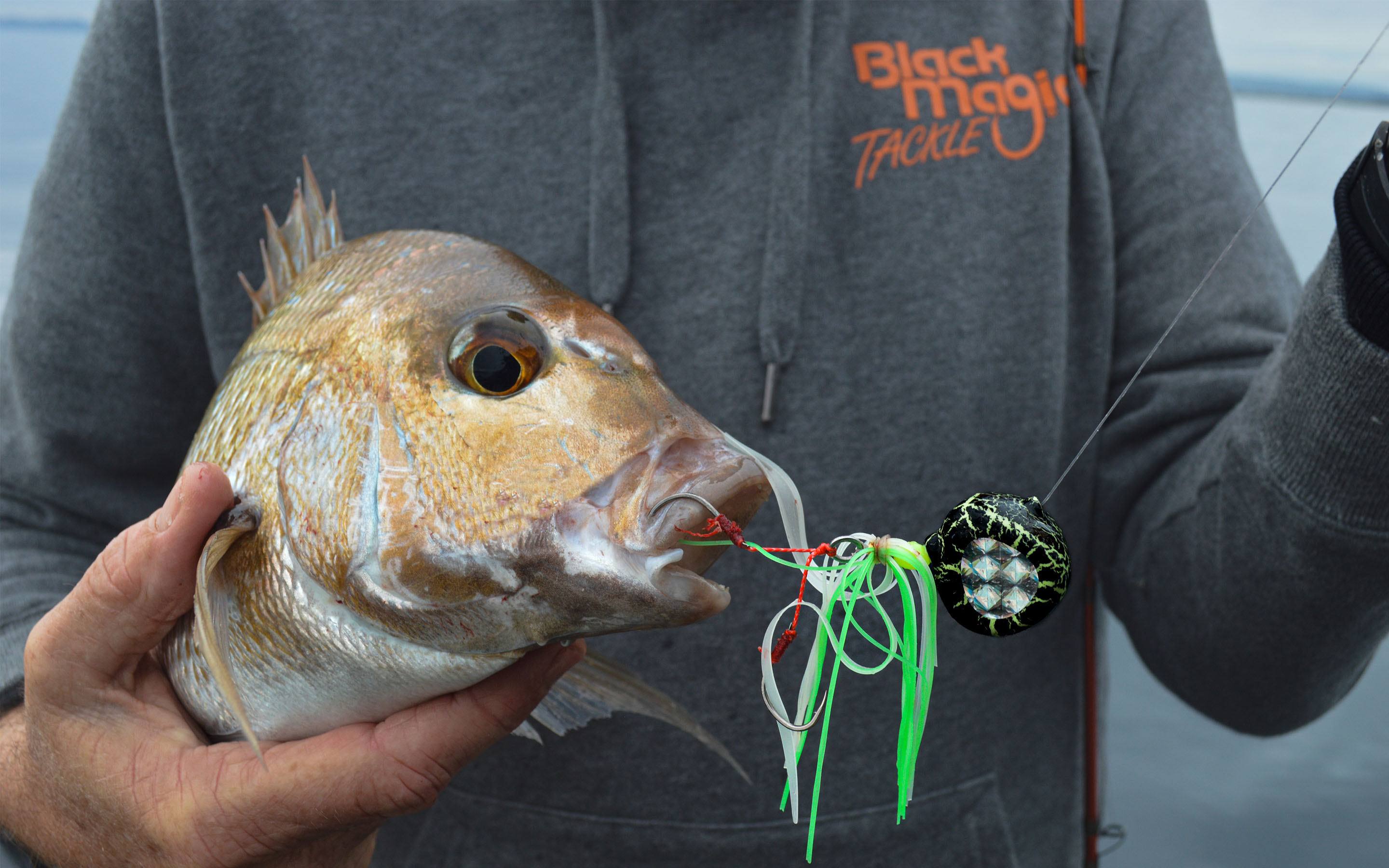
When the fishing is quiet, or you arrive to a workup late and the gannets are all sitting around on the water. Then switching to a skirted jig can often produce good fish as the skirts waiving around in the current seem to awaken any lethargic fish in the area.
The most common jigs used are sliders. The slider styled jigs have a bright coloured weight and squid looking skirt or tentacle with twin-assist hooks hidden in the tassels.
Again, the best way to fish them is by dropping to the bottom (over sand or muddy bottoms not onto reefs!) and while drifting, lift them slowly with a slow retrieve. Many anglers will simply leave them in the rod holder, as the gentle boat motion in swells and while moving will often hook fish by themselves.
If the fishing is slow, try squirting some secret sauce into the skirts or going down in jig weights to help them look more natural. Often around slack tide the fish will go off the bite and as soon as the tide changes the fish will start to feed again.
Keep watching your sounder for baitfish and fish sign to drop down your jigs, it is always fun figuring out which lure is flavour of the day and as with all fishing, persistence pays off.
Mathew Hewetson is the founder, publisher, and Editor-at-Large of Fishing in Godzone magazine. Born and raised in Dargaville, New Zealand, Mat spent a decade in media and marketing—including serving as the Advertising Manager and Associate Publisher for NZ Fishing World—before establishing his own advertising, marketing, and publishing company, Marlin Marketing, in 2014.