
Hot Action in the Cooler Months


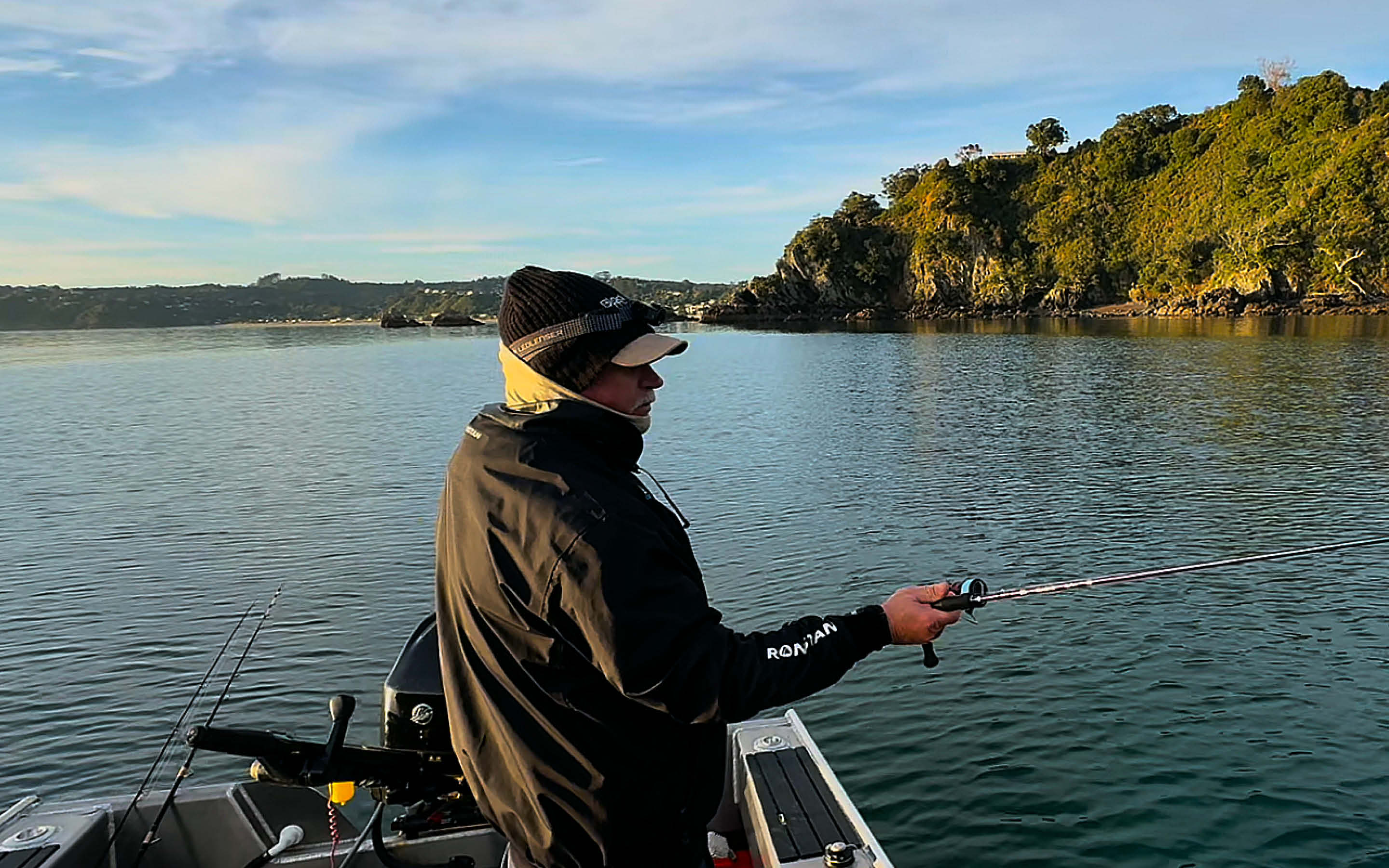
When the chance to gather a feed arises, success on the briny comes down to one variable: your method. Specifically, the age-old debate of bait versus lures. Many modern anglers excel in only one discipline. This lack of versatility results in longer, colder days on the water just to turn things in their favour—or worse, getting skunked. Being skilled in both disciplines will drastically improve your success rates and might even land you on the competition podium.
Knowing the Seasons
Understanding seasonal shifts is your baseline. In the warm months, local harbours come alive with hungry fish. You drop big lures or fresh bait, and catching a feed is straightforward.
When the cooler months roll around, everything changes. Inshore fish numbers dwindle. Resident snapper become sluggish and bear-like in their feeding habits. Because successful lure fishing relies heavily on movement, standard summer jigs often fail in winter; snapper simply watch a fast-moving lure waft right past their noses. The only active sea creatures moving in cold water are squid, making squid jigs the only winter lures worth deploying in the writers opinion. For snapper, your tactics must pivot toward scent, structure, and stealth.
Timing: Sunrise vs. Sunset
Approaching an unpredictable winter means time of day is your most critical factor. Many boaties leave the ramp at 10:00 AM to sleep in and escape the cold. The problem? You miss the two most vital bite windows of the day: sunrise and sunset. This is when winter fish feed hardest.
The Sunrise Shift
An early morning mission requires a 5:00 AM alarm to ensure you are at your spot before 6:30 AM. Whether land-based or boat-fishing, you will operate in dark, freezing conditions. Pack your gear the night before to ensure a rapid departure.
When navigating a harbour in the dark, safety is paramount. Keep the stereo off to maintain focus and minimize cabin lights to protect your natural night vision.
Your first task at first light is catching fresh bait. During the day, baitfish often refuse to feed, regardless of what your fish finder shows. Once you have secured prime, fresh bait, move to your target structure. Ensure your wind and tide run in the same direction, lock into position, and crack open the burley. Deploy small baits initially to wake up sluggish fish, then progressively increase bait size.
A bonus of the sunrise shift? Parking at the ramp is effortless, and you will be home, cleaned up, and warm by midday. Furthermore, early mornings offer mirror-like, windless conditions—the absolute prime time to target winter squid.

The Sunset Shift
The major benefit of fishing the evening change of light is navigation safety on the return journey. Coming home after dark, coastlines lights up like a Christmas tree, offering excellent visual markers.
However, the risks are higher if things go wrong. A mechanical breakdown at night means you are incredibly difficult to spot, making a high-powered SOS spotlight and an EPIRB non-negotiable.
While fish bite hard as the light fades, they sometimes do not wake up until total darkness sets in. If the spot fails to produce, moving position in the dark carries significant risk around shallow reefs. Keep in mind that a late-night return turns boat washdown and fish processing into a two-day chore.
Winter Apparel
To survive the elements, invest in quality gear. A reliable, rechargeable headtorch is essential. For clothing, wear thermal leggings under your shorts to keep your lower half warm without adding bulk. On top, avoid over-layering, which restricts your casting movement. A dedicated sailing smock is perfect for mid-winter missions; it is entirely waterproof and cuts out the biting windchill when traveling at speed. Throw on a neck gaiter and your favourite beanie, and you are set.

Staying Shallow: The Daytime Strategy
If early mornings or late nights are too difficult to manage, you can still find daytime success by adjusting two critical elements: burley and stealth.
Advanced Burley Strategies
In shallow water, you must actively draw the fish to you. Deploying a store-bought burley bomb from the transom or in a weighted pot at depth is only half the equation. You need chunked chum. By regularly tossing in small pieces of chopped baitfish, you invite the largest snapper into the matrix. Burley sounds the dinner gong, but chunked chum provides the appetizer that gets them hunting for the main course.
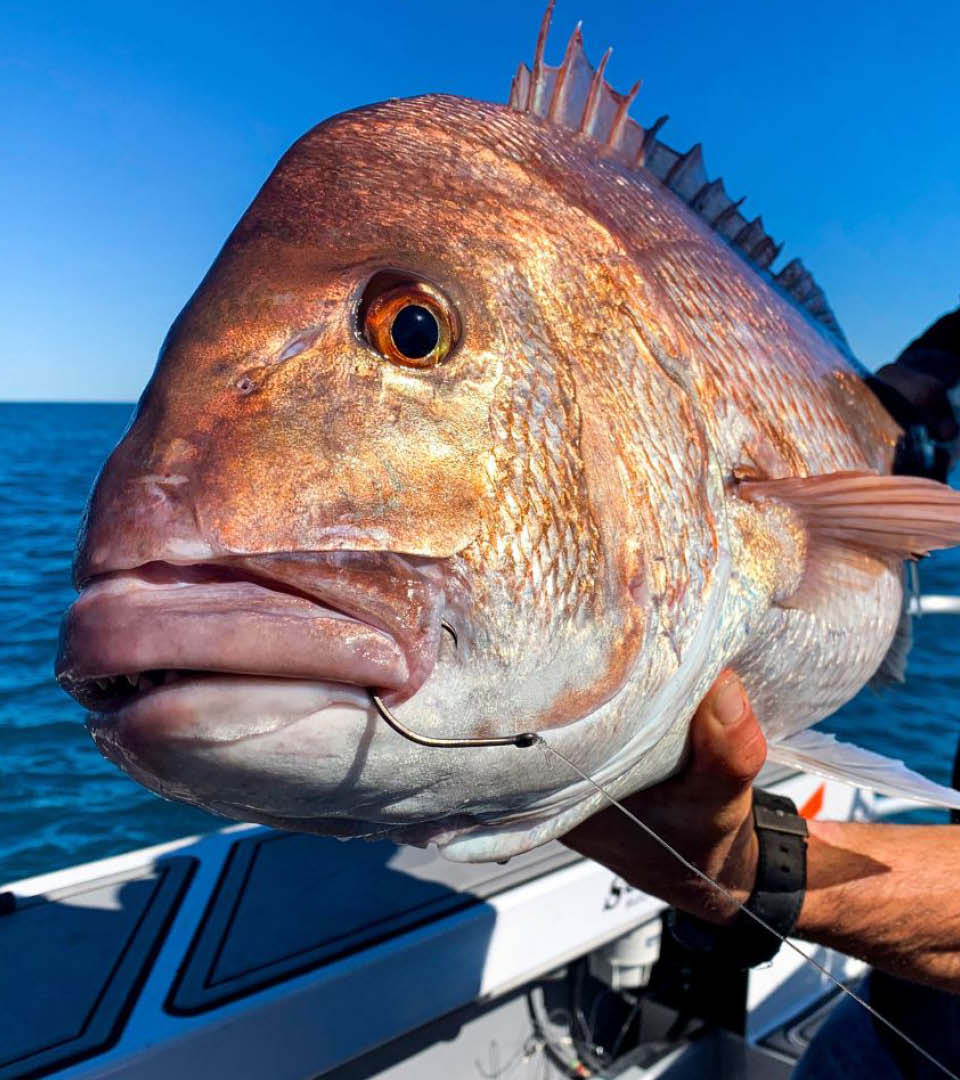
Fishing Lighter and Stealthier
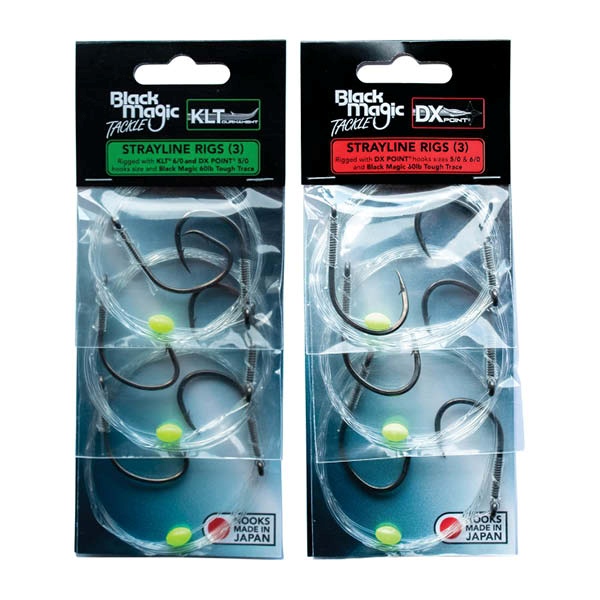
You must scale back your heavy summer tackle. Winter snapper prefer smaller, neatly presented options. If your go-to summer leader is 60lb Tough Trace, drop back to 40lb Black Magic Fluorocarbon. Fluorocarbon provides unmatched clarity in clear winter water, accounting for countless double-figure winter snapper.
• Hooks: Swap bulky 7/0 or 8/0 hooks for sharp 6/0s. Smaller baits present naturally while leaving plenty of hook point exposed—especially when using a snooded keeper rig. Use the absolute minimum sinker weight required to drift your bait naturally into the burley trail.
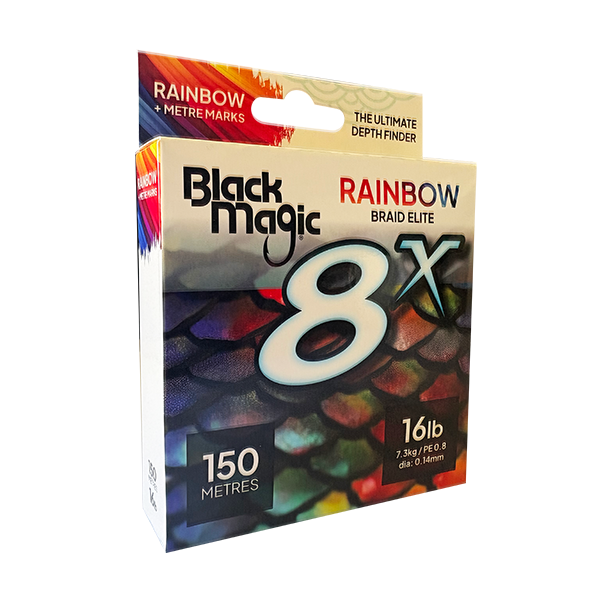
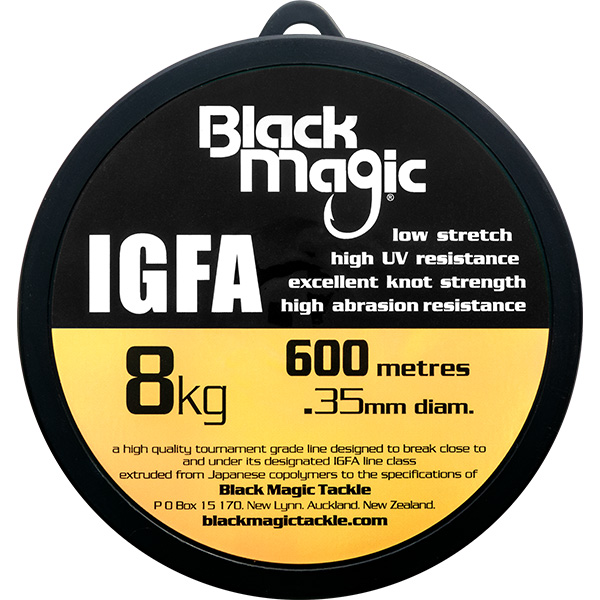
• Mainline: In summer, 10kg monofilament stops stray kingfish. In winter, kingies are rare. Drop your mainline down to 8kg or even 6kg if you have the patience.
Lighter gear delivers a natural presentation, but it increases the stakes. When a monster winter snapper hits in shallow water, you are in for a tactical fight.
Essential Winter Safety Checklist
Before clicking the trailer winch, double-check your safety inventory. Never leave the boat ramp without these essentials:
• Communication: Two independent, working forms (VHF radio and a cell phone in a waterproof bag).
• Emergency: Up-to-date flare pack and an accessible EPIRB/PLB.
• Personal: Form-fitting life jackets worn by all passengers.
• Electronics: Fully operational navigation lights and a dedicated all-round white anchor light.
Confidence comes with time spent on the water. Refine your tackle, watch the tides, and enjoy the peace of winter angling.








.jpg)
.jpg)
.jpg)