Jetski Fishing for Bluenose


Picture this: I’m out on my jetski, zipping across the stunning waters off Eaglehawk Neck in Tasmania. Yes, you read that right—a jetski!
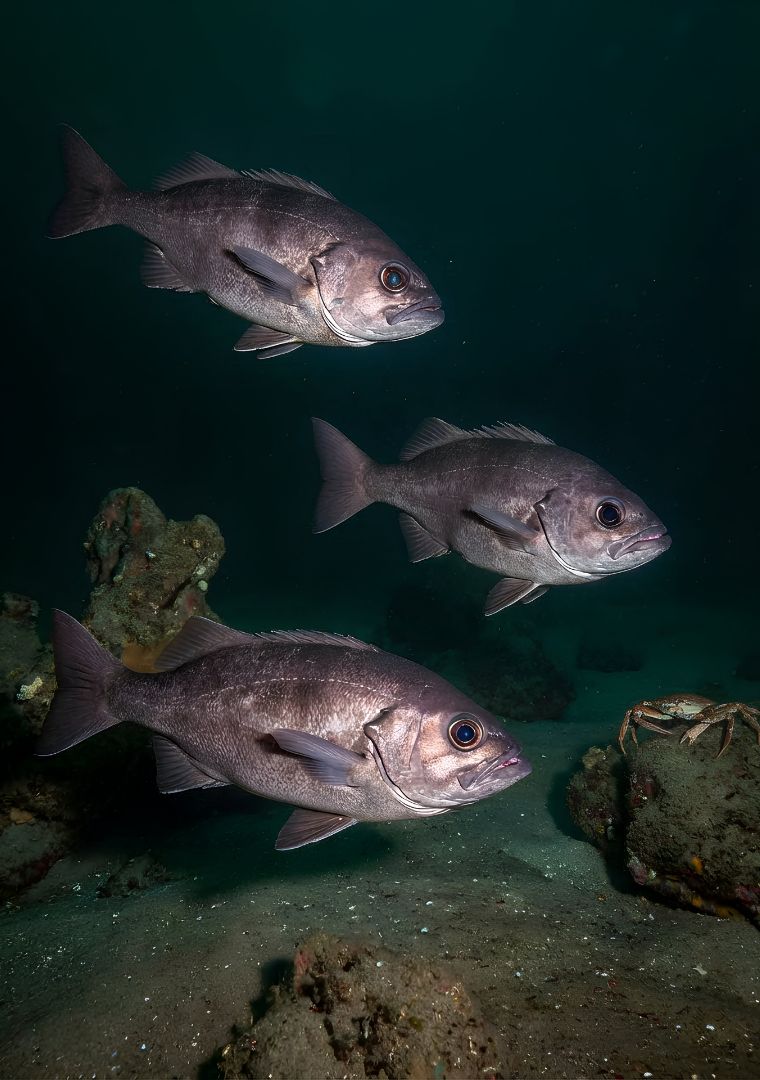
This isn’t your typical fishing trip; I’m navigating toward the continental shelf where the East Australian Current meets the cooler waters from the south. The anticipation builds as I aim to catch one of my favorite species: the blue eye trevalla, known to many as bluenose.
Fishing Grounds: A Natural Wonderland
This region isn’t just a fishing hotspot; it holds a significant place in Tasmania's ecological landscape. About 11 to 13 nautical miles from the nearest launch point, this area boasts a rich fishery thanks to the high nutrient levels stirred up by the currents. It’s a thriving ecosystem, a playground for baitfish and the predator species that follow. After relocating to Tasmania, a fellow pro team member, Jonah Yick, introduced me to the thrilling challenge of deep-sea fishing for blue eye trevalla from a jetski—and I was all in for the ride!
Tackle Talk: What Gear Got Me Hooked?
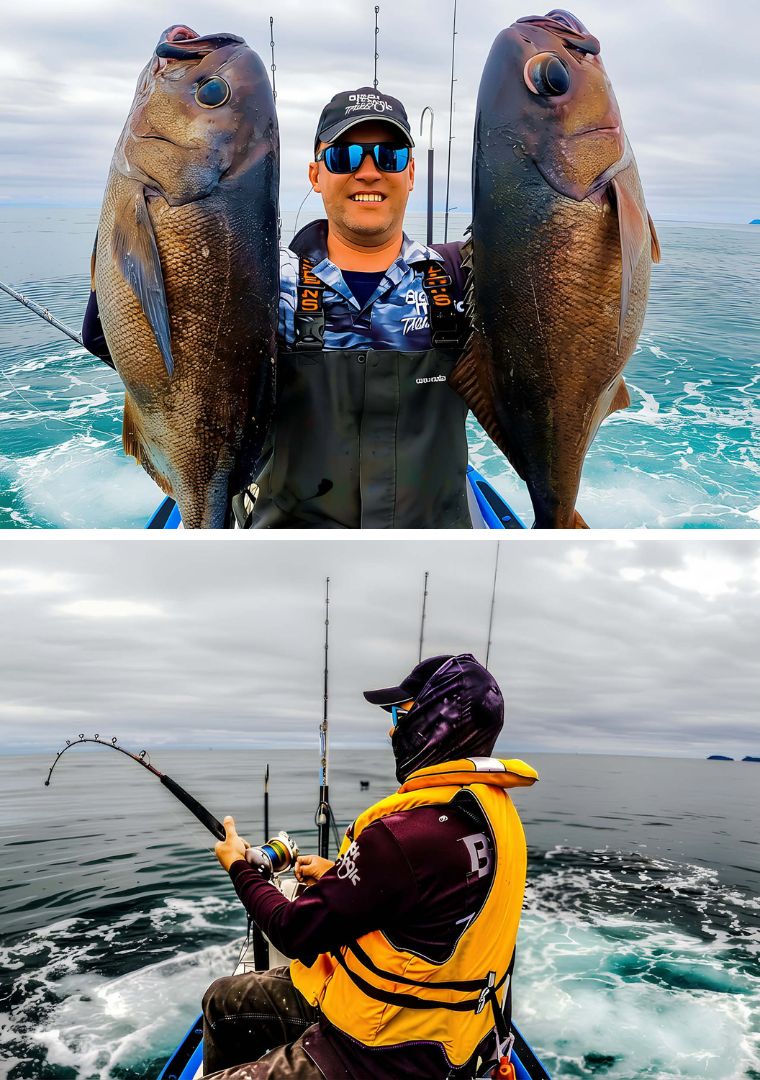
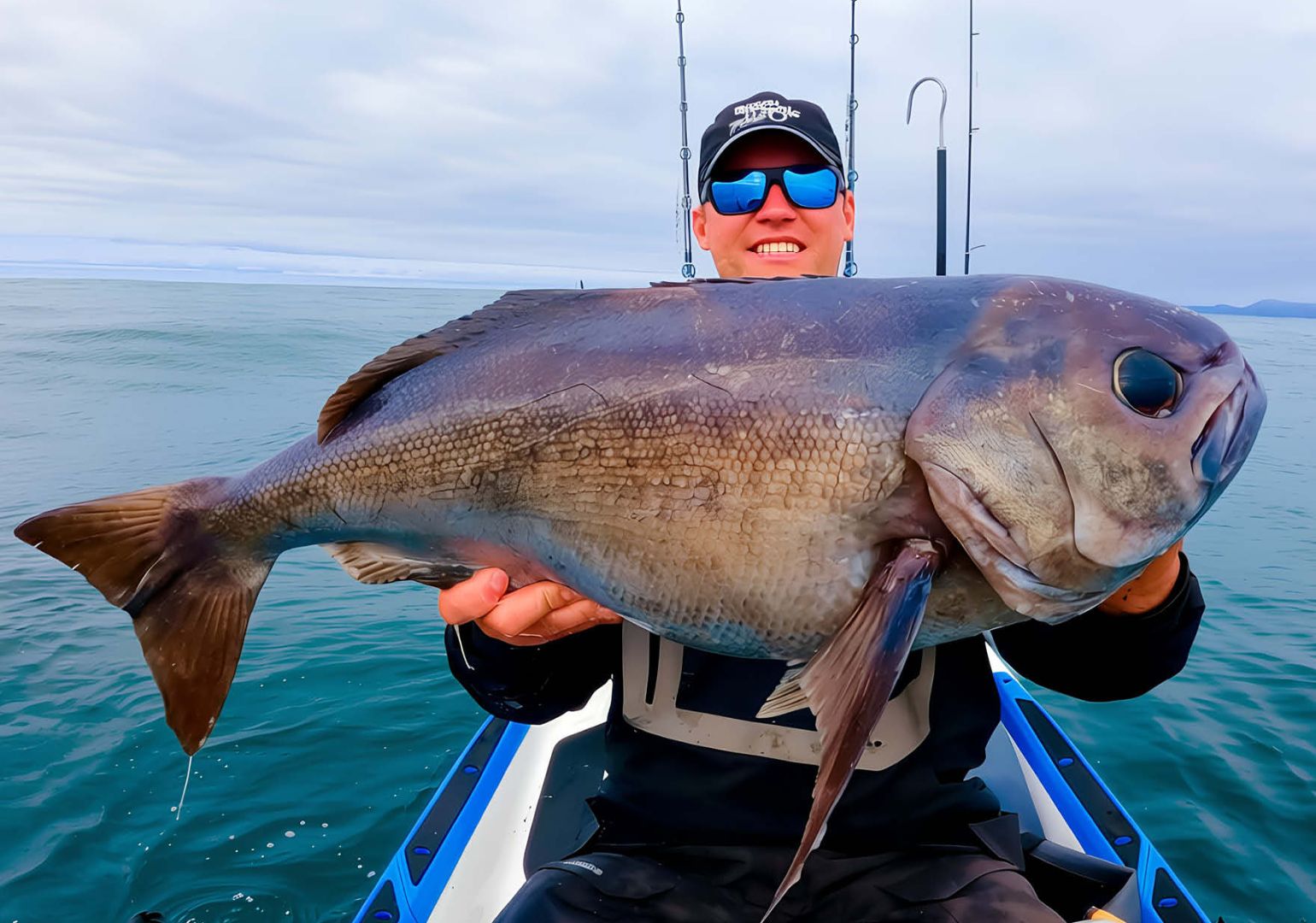
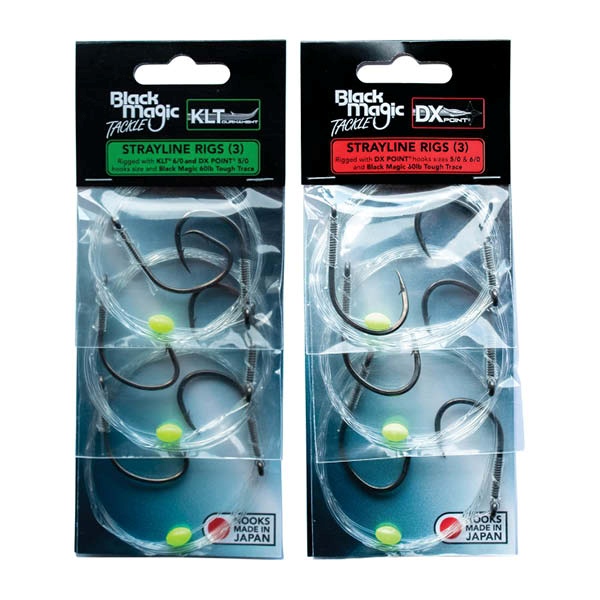
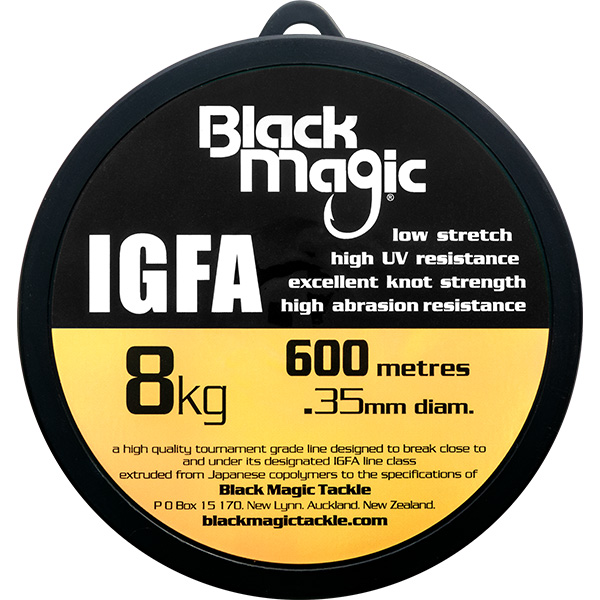
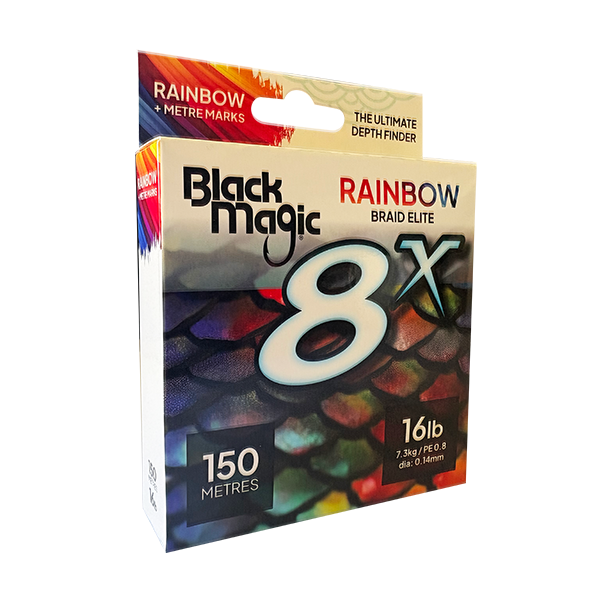
When it comes to tackle, I roll with a solid tuna setup: a 15 kg rod paired with a 25 Talica reel. Being out in those deep waters means I need serious line capacity—after all, you need enough line to reach those depths. For this trip,I spooled my reels with 65lb rainbow braid and topped it off with an IGFA 37kg topshot. Armed with 10/0 KLT hooks—sharp and reliable for a solid hook set—I was primed for action. With the help of my trusty Black Magic gaff, I managed to haul three blue eyes aboard my jetski quickly.


Unexpected Encounters: The Small Minke Whale
Fishing from a jetski isn’t just about the catch; it’s about the experience. One of the most incredible moments during this trip occurred while I was reeling in my first blue eye. Out of nowhere, a small minke whale surfaced, circling my ski for what felt like an eternity! Intrigued by the bubbles from my jetski's engine, it lingered nearby, serving as a breathtaking reminder of the beauty of nature that surrounds us while we chase the thrill of the catch.
Fishing Techniques: Lessons from the Deep Blue
Now, let’s talk about angling techniques. Deep-sea fishing from a jetski present sits own set of challenges, but it also adds a unique twist to the whole experience. Unlike traditional boats, my jetski requires a bit of finesse.While some anglers rely on electric reels, I stick with the classic manual approach. It’s definitely a workout, but that’s part of the fun! Each drop counts, and letting out and reeling up that 500 meters of line takes real effort, making each catch even more satisfying. My reel features a two-speed mechanism, allowing me to easily switch gears when necessary. Best of all,there are no fancy modifications needed for the jetski—just a solid tuna rig, a deep-sea rig, and plenty of determination.
What's Next? The Swordfish Challenge Awaits
WillI keep chasing deep-sea fish from my jetski? Absolutely! The thrill of fishing for blue eye trevalla is second to none. Plus, as the swordfish season approaches (from February to May), I’m gearing up for the ultimate test ofbody, mind, and gear. The blue eye is the perfect warm-up before I shift my focus to swordfish, and I can’t wait for that high-stakes action!
So,to all my fellow anglers out there: if you haven’t experienced the rush ofdeep-sea fishing from a jetski, you’re missing out! Embrace the adventure, riseto the challenge, and who knows—you might just find yourself on the hunt for that next big catch, just like I am!