Winter Perch on Plastics


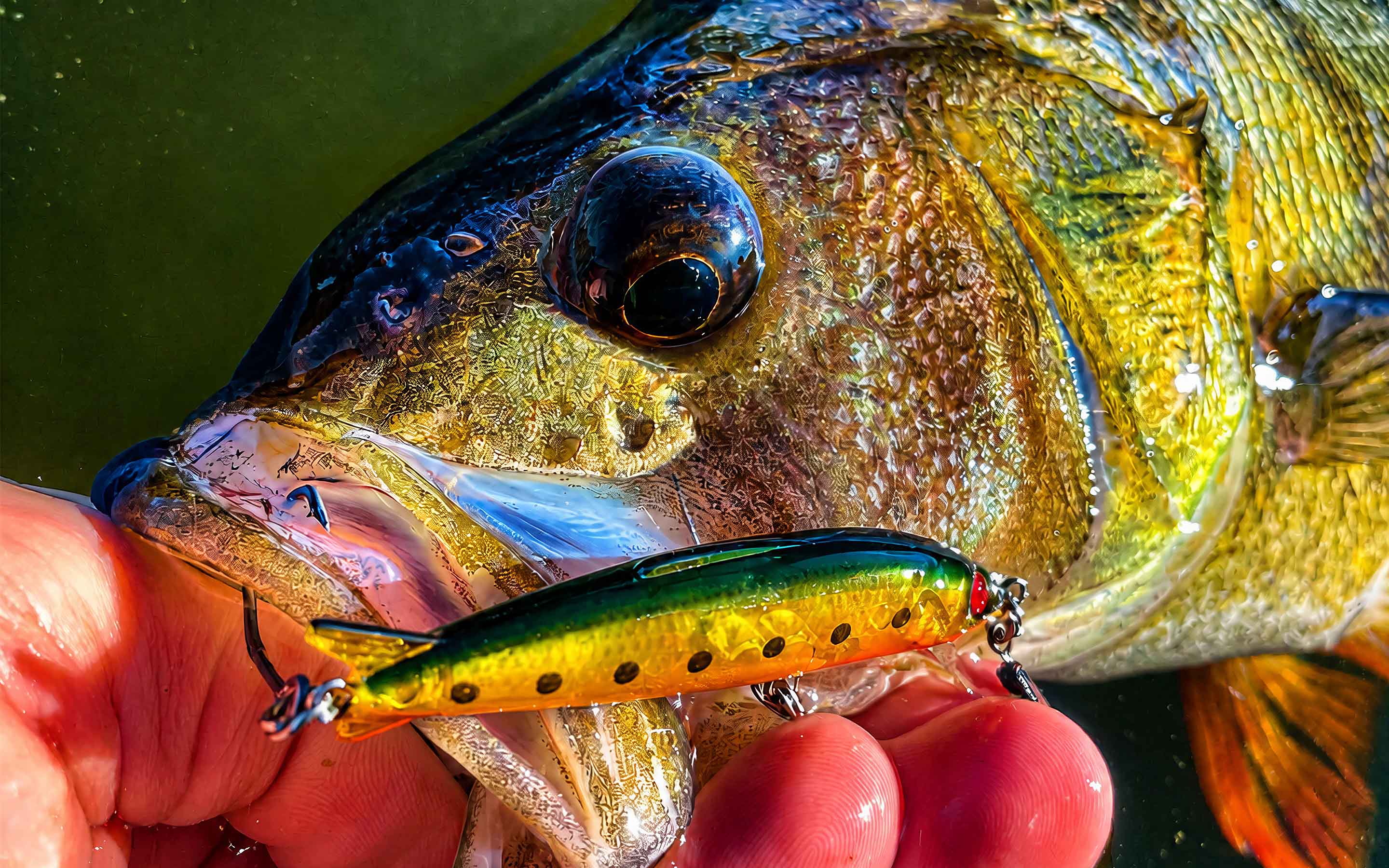
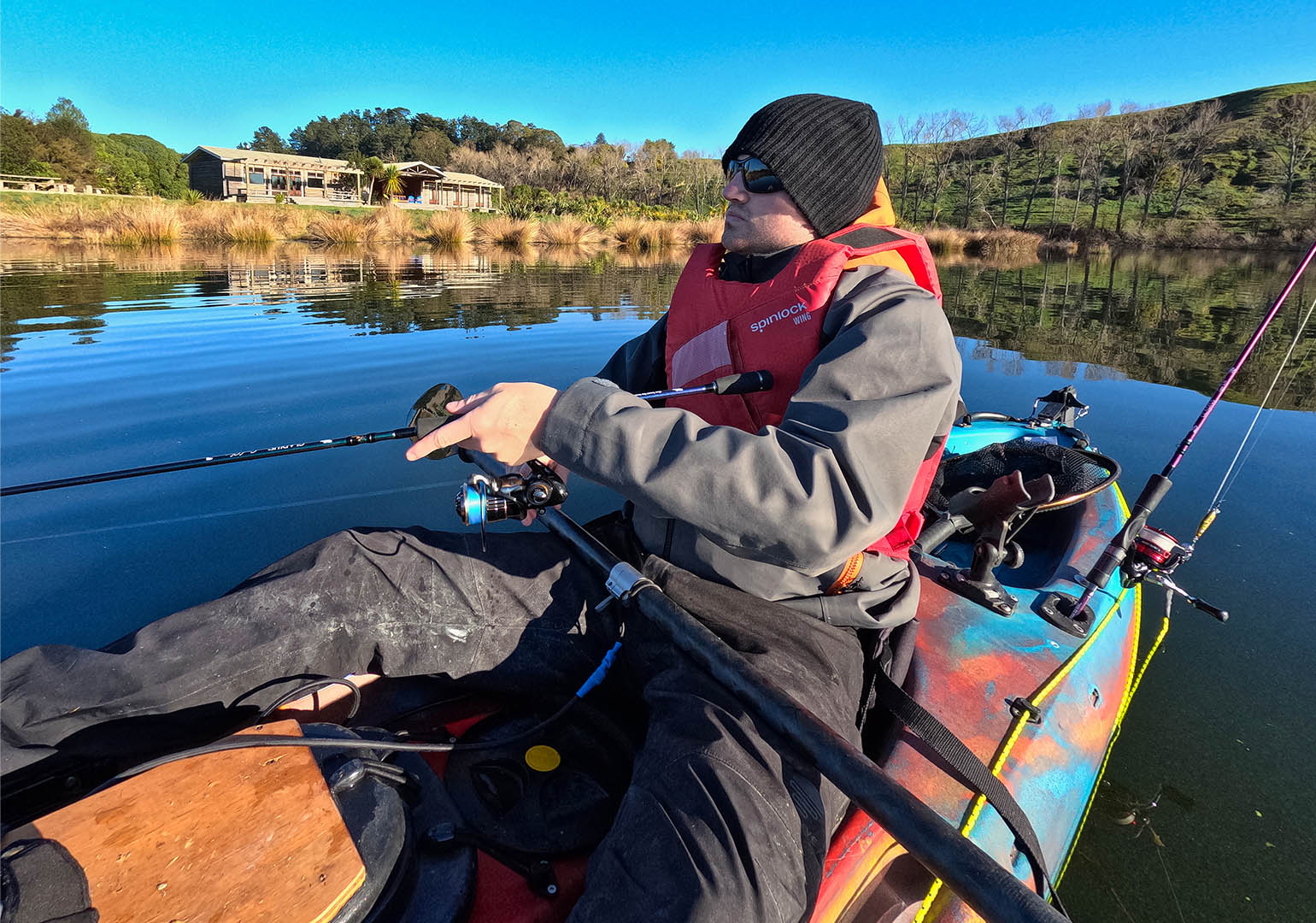
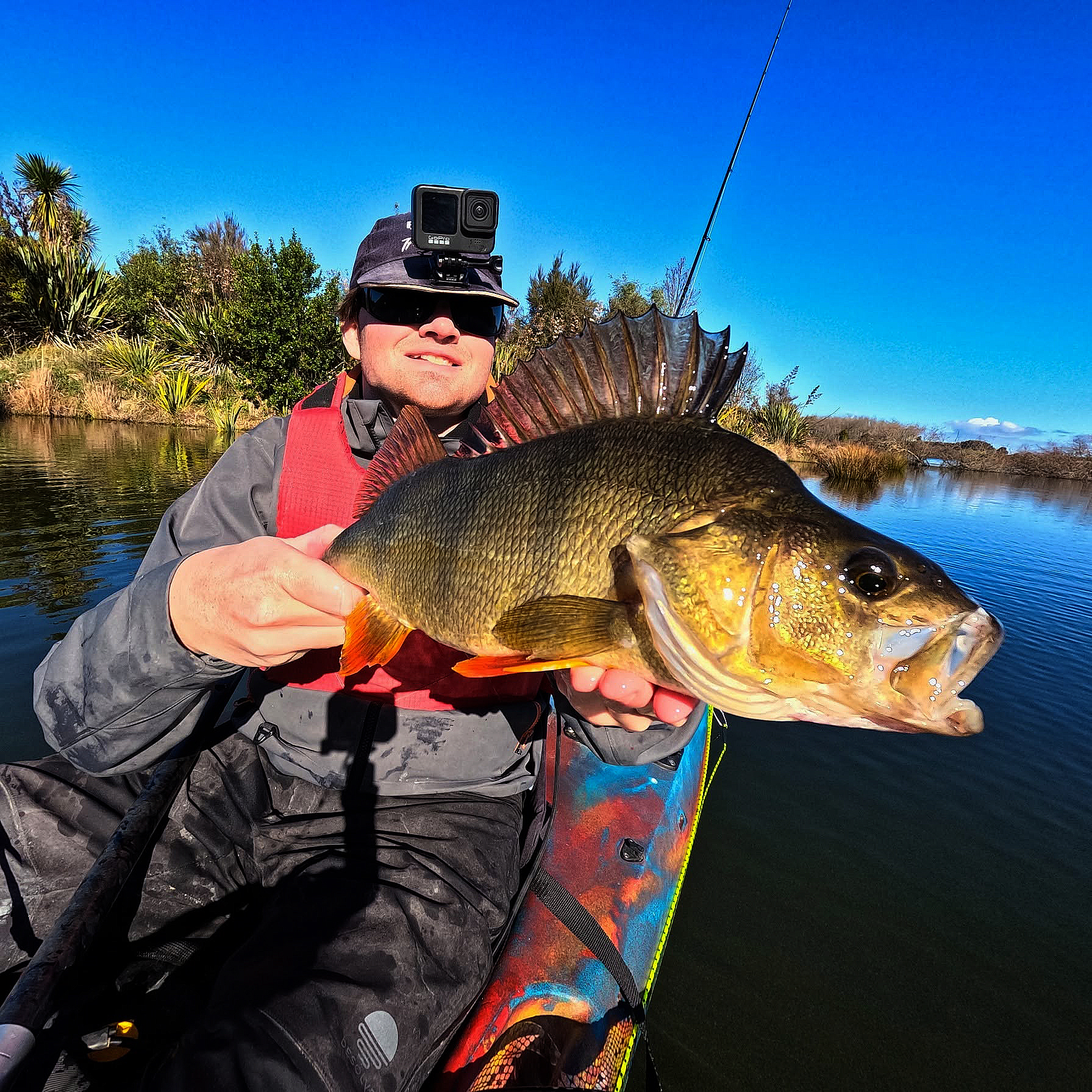
When the temperature drops, most freshwater fishos pack away their gear. But for Black Magic Pro Angler Blair Whiting,winter is the ultimate time to target red perch on our inland waterways. Bycasting and stalking from a kayak, Blair proves why these fish are anunderrated winter sportfish. Here is how he cracks the code.
1. Clear Water & Cold Tactics
Q: What makes winter such a productive time for kayak angling, and how do you adapt your approach as water temperatures drop?
Blair: Wintertime is perfect for targeting perch as the shallow lakes they live in cool down. When temperatures are down, it drops the algae blooms that are common in the warmer months. The water becomes clear and easy to sight fish. My approach is to cover as much water as possible, as perch are less active in colder water.
2. Stealth on the Water
Q: How do you leverage the stealth of a kayak to approach easily spooked schools in tight inland waterways?
Blair: Perch often aren’t easily spooked—quite the opposite. Many are oblivious to your presence unless you park right over their forehead. A slow paddle nearby to get into casting range can set you up to put a lure past them without the risk of them spooking.
3. Locating Big Perch Structure
Q: When breaking down a new waterway, what structural features—like weed edges, reed beds, or timber—are your absolute non-negotiables for holding big perch?
Blair: Every waterway is not created equal in perch fishing. Your lakebed is primarily going to be a shallow, lowland piece of water with limited structure. The main thing that creates large perch is population structure and high-protein feed. If a population has too many fish in the waterway, the average size falls dramatically.
Certain lakes with lower fish numbers can sustain a small but dominant group of large adults that predate the small fish after every spawn. Perch often are found near weed beds and banks, but during the middle of the day, I often find them patrolling flat mud bottoms. Try to cast everywhere and build up a reference for where the most hits come from.
4. The Fight & Light Tackle Setup
Q: We know perch love a good ambush, but how do they behave once hooked, and why is matching your light tackle so critical to landing them?
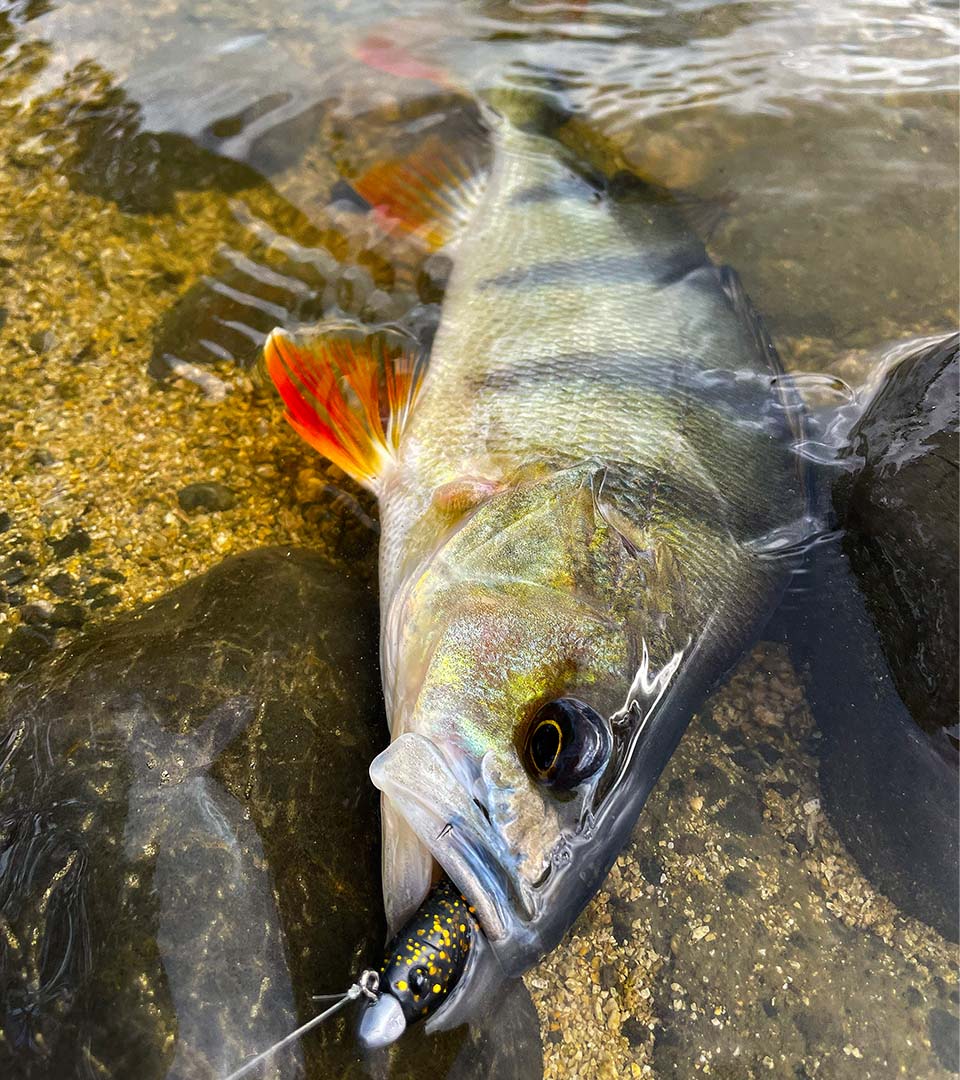
Blair: Perch hit a lure hard and usually opt to shake their heads to try and remove the hook. Light tackle is important to keeping them pinned, as a light rod tip absorbs the headshakes that can often wiggle a hook free. Perch have a soft mouth, so once close to the boat, always net them, as they can easily pop off the hook when you least expect it.
5. Hunting Trophy Specimens
Q: Which New Zealand regions or river systems are currently firing for you, and what dimensions qualify as a true "trophy" specimen in our waters?
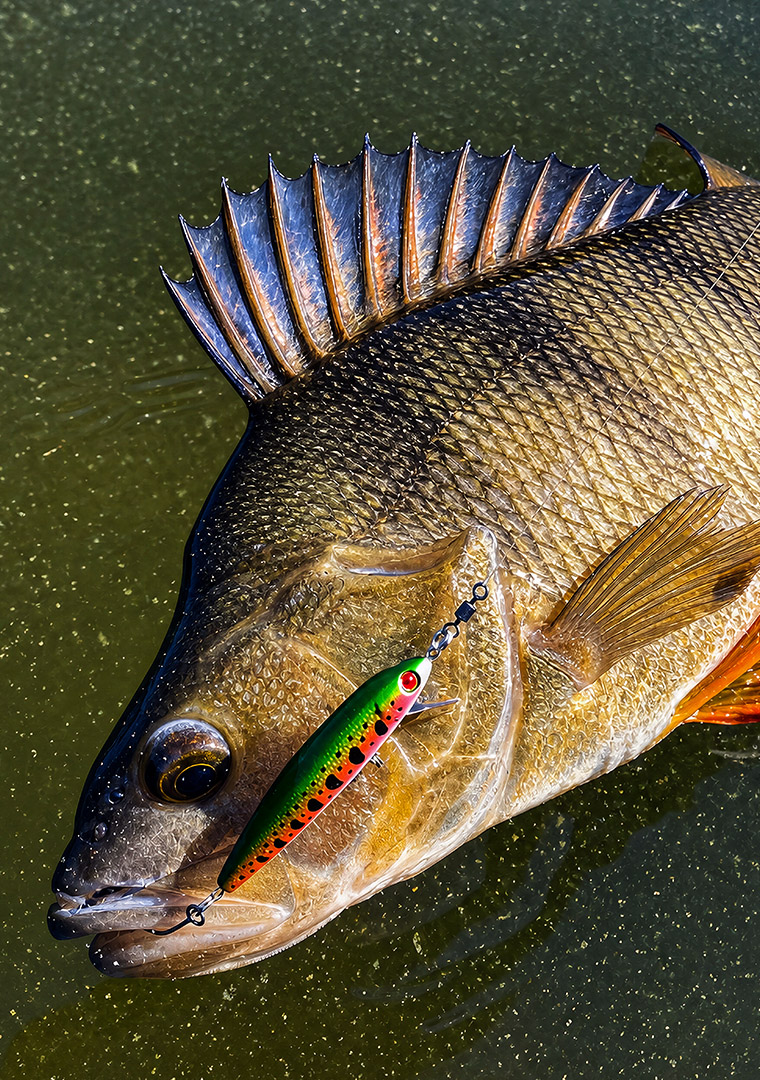
Blair: I fish in both Manawatu and Hawke's Bay in some of the lowland dune lakes we have on both coasts, many of which hold perch in good numbers. A trophy perch in New Zealand would be considered anything over 45cm or 2kg. Fish over 50cm are truly rare and are only present in few waterways with the food to sustain growth to this large size.
6. The Ultimate Black Magic Setup
Q: Walk us through your ultimate Black Magic Tackle setup—which specific lures, rigs, and traces give you the winning edge?
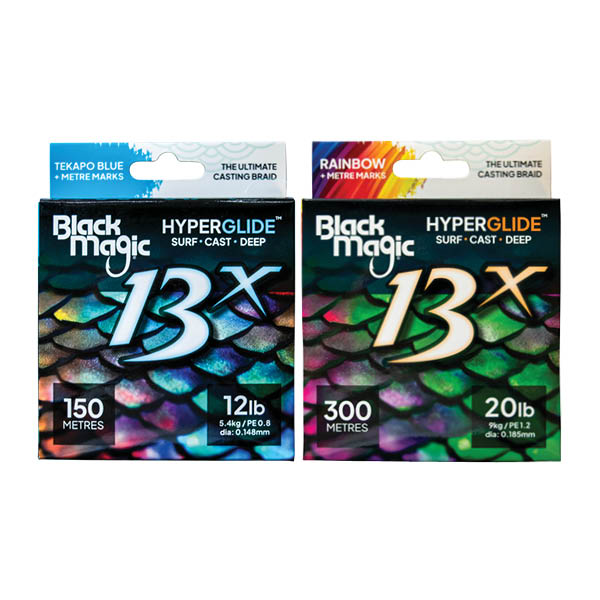
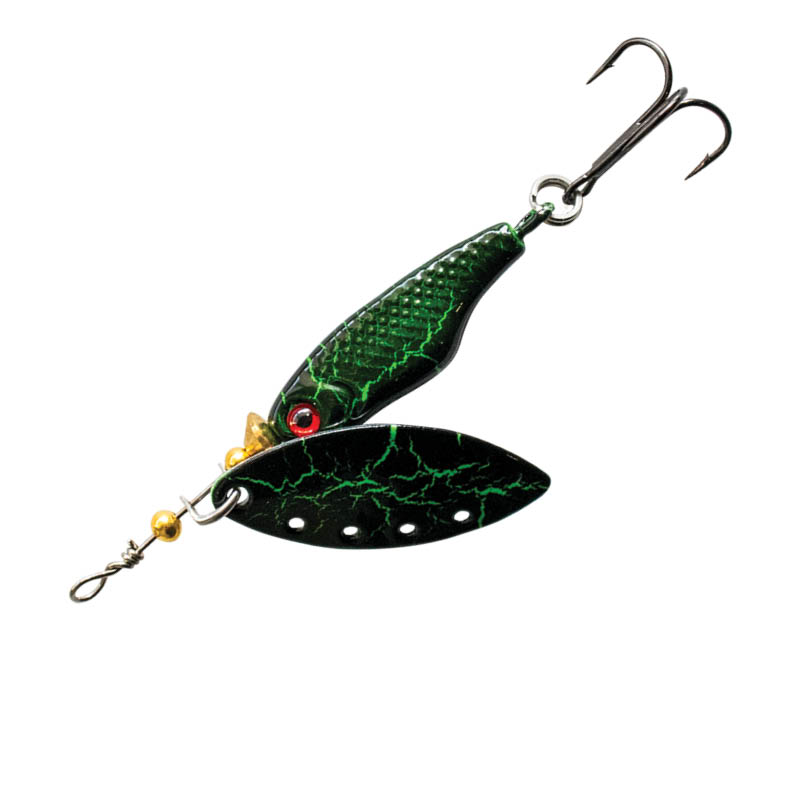
Blair: I like to use the Gladius Canal Classic rod for distance casting small lures. I load up my reel with Hyperglide 13x 8lb braid and tie a back-to-back uni knot to a rod length of 6lb Supple Fluorocarbon. Red or orange lures are my favourite, which imitate a young perch’s orange fins, but a wide variety will catch perch even in dirtier water. My favourite is the Bmax 60 in Firebelly or Rainbow, and the Spinsect in Aztec. 5–8cm paddle tail plastics are an excellent option with a 1/16oz jig-head.
7. Sight Fishing vs. Blind Casting
Q: Are you hunting by sight in the shallows, or relying on electronics and blind-casting techniques to locate the schools?
Blair: I use a combination of sight fishing and blind casting likely structure. A lot of perch sit near banks motionless and can be cast to when spotted. Plenty of other fish roam slowly along weed beds and mudflats searching for bullies and juvenile perch.
8. Why Perch Deserve Respect
Q: Perch often fly under the radar in NZ. Why do you think they deserve more respect as a premier sportfish, and what would you say to anglers who have yet to target them?
Blair: Perch deserve more credit as a sportfish; they actively hit lures which is great for light tackle sportfishing.
For the the Ultimate Black Magic setup have a look at the Gladius Canal Classic Rod, Hyper Glide 13x Braid, Supple Trace, BMax hardbody lures and Spinsects!!