Hooks For Livebaiting Success


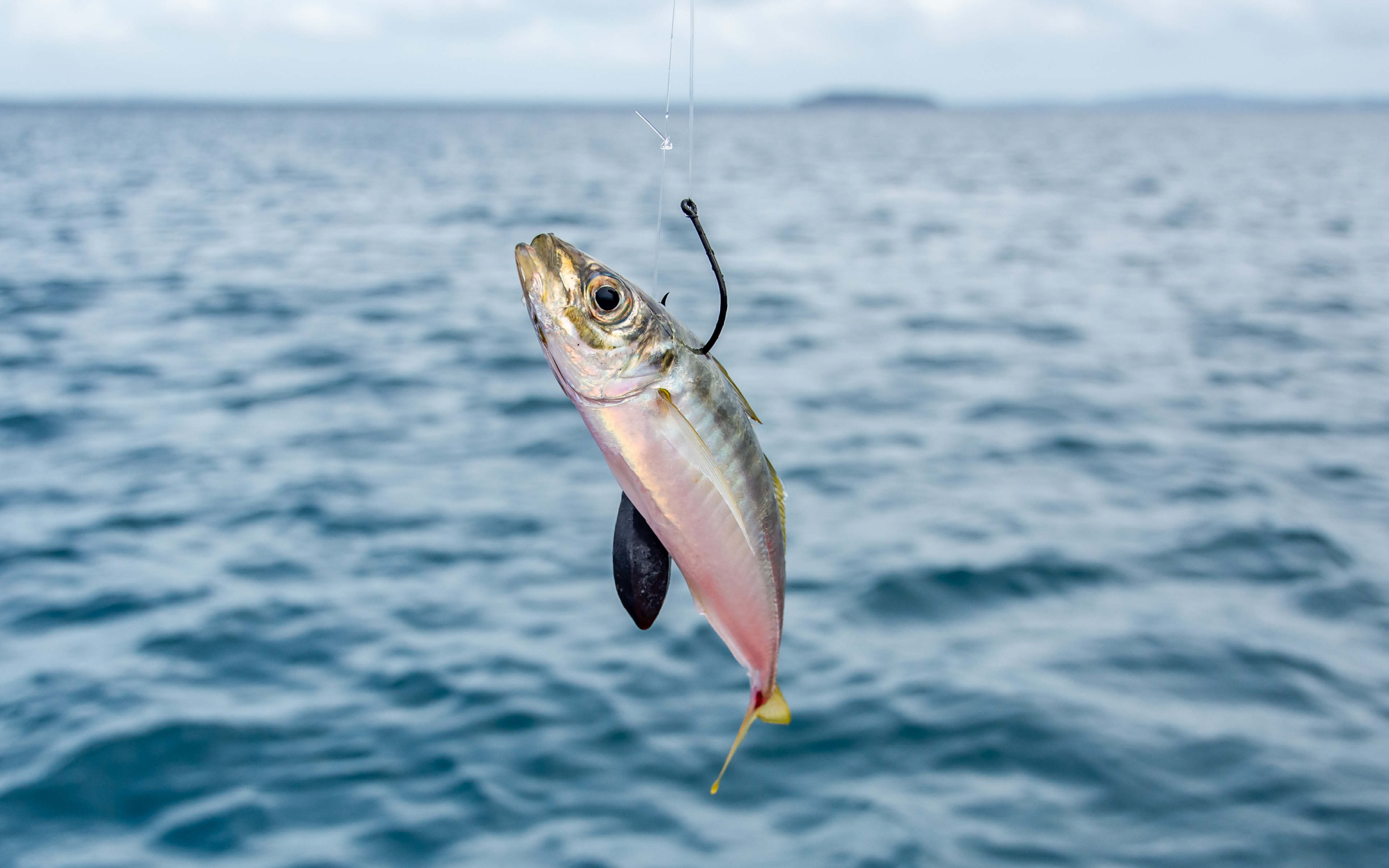
Writer Scott Cushman provides his tips for choosing hooks when live baiting.
In my last article we went back to basics to help anglers choose a good hook for when using cut baits. This article will focus on choosing a good hook for using with live baits. A livebait is of course a live fish that is used to catch a larger predatory fish. The choice of live bait depends on what kind of predator you are trying to catch and what you can actually catch at the end of the day.
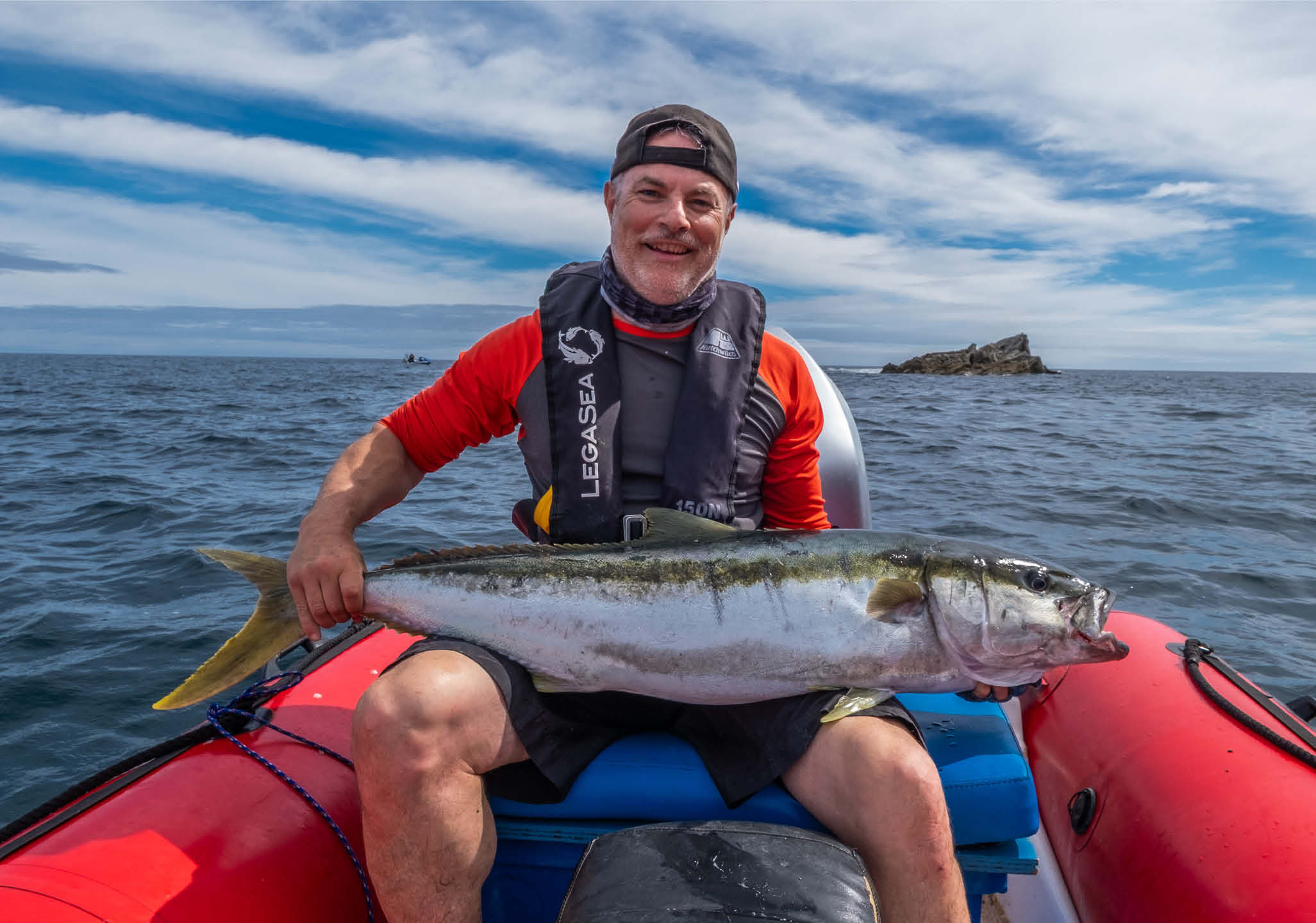
There are more factors to consider when live baiting when it comes to choosing a good hook compared to cut baits. Firstly, what kind of fish do you want to catch by live baiting? Kingfish are probably the number one live bait target but there are other species that are targeted such as John dory (for the inshore angler) and marlin (for the offshore game angler). Larger snapper will gladly devour a struggling live bait and kahawai will too, usually to the annoyance of angler trying to entice a kingie!
Hook Size
The first factor is hook strength and size when targeting pelagics. The hook must be strong enough and not bend out on a heavy fish, so hooks usually used for bait fishing for snapper and kahawai won’t cut it. Kingfish will test your gear so choose brands and styles fit for purpose.
.png)
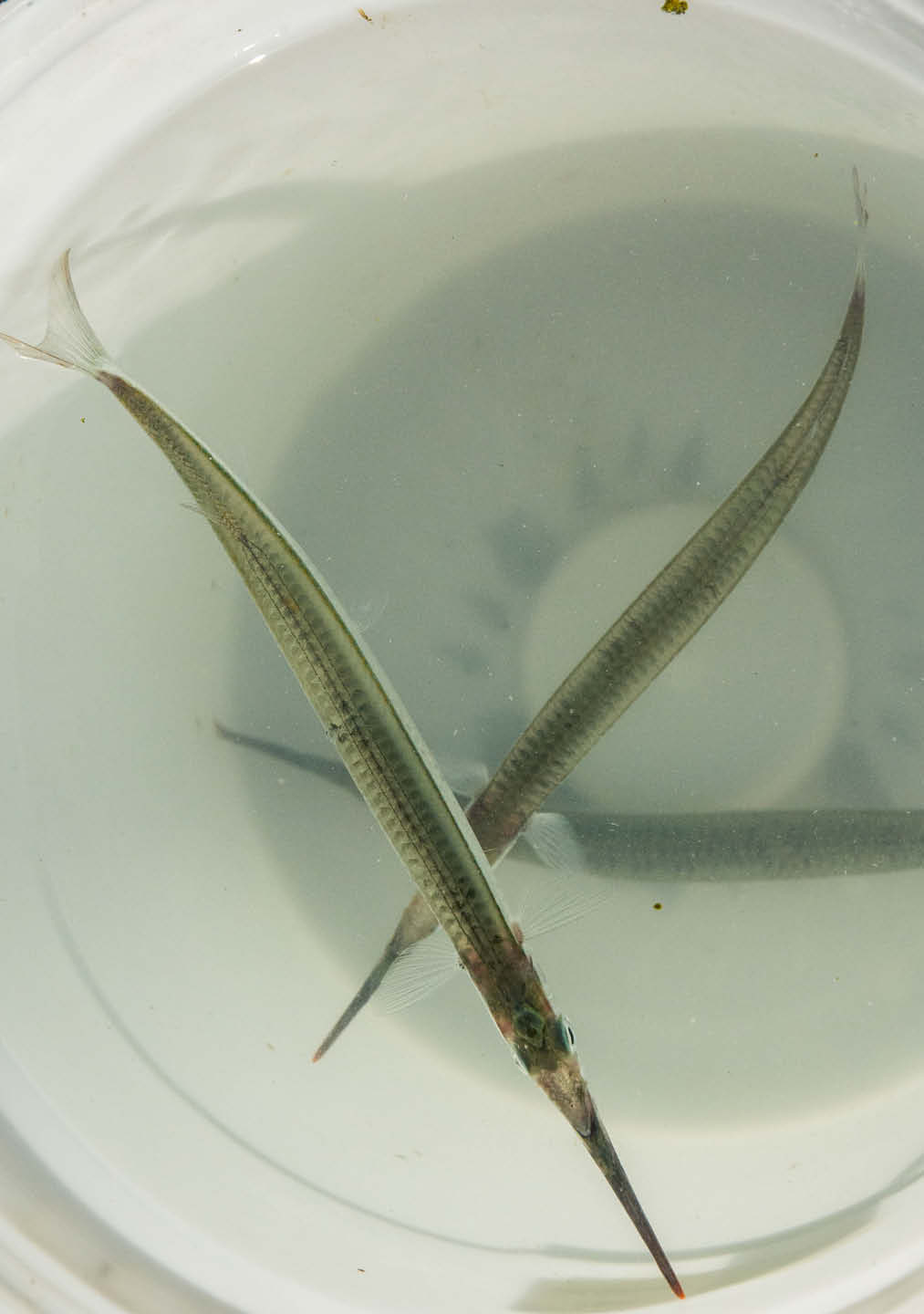
The next factor is the hook style. Just like bait fishing, circle and non-circle hooks are the two styles to consider. Overall, I lean towards circle hooks for live baiting for kingfish, especially when using smaller live baits like Jack mackerel. Short shank straight or non-circle hooks are also an excellent choice for live baits like mackerel, piper, and yellow eyed mullet. Straight short shank hooks like the Black Magic GZ 4/0 are some of my favourite hooks for piper as they are light and strong.
Longer shanked hooks add weight and increase the drag on the smaller live baits which means they will not live as long when deployed. It’s not such a big deal when using a live kahawai but when the live baits are hard to catch, every fish must be kept alive for as long as possible and so short shank hooks are the best ones to use to ensure the fish’s longevity.
There is also an understanding that short-shanked hooks can have an advantage over longer shanked hooks as they provide less leverage for the fish to work the hook free. Even if the improvement is just a few percent, every advantage is welcomed.
HOOK PLACEMENT
When it comes to the placement of the hook in the live bait, there are a few factors to consider. When using circle hooks for small live bait species like mackerel and koheru, I suggest placing the circle hook through the gristle in front of the eye and close to the nose. You can also hook them through the neck but avoid the backbone of course.
A neck hooked yellow eyed mullet is also preferable. When it comes to piper, a hook through the neck works but I would also advise hooking the piper through the ventral fins near the base of the tail. The bone structure of the lower back fins can secure a small strong hook quite nicely and it won’t pull out. It also hinders the piper less than hooking it through the neck. Piper are a favourite snack for kingfish so they are worth persevering and fiddling around with.
Circle hooks for larger live baits like kahawai will work when secured through the neck of the fish with mostly skin but don’t bury the hook with too much flesh under the curve of the hook. It needs to be able to catch in the corner of the mouth when the pressure comes on and if it is buried under too much flesh, it won’t rip out of the bait on he strike or if the whole thing slides out of the predator’s mouth, it is less likely to catch in the corner of the jaw.
Circle hooks as I mentioned in my last article must be set with gentle pressure and not a hard strike. I would recommend learning to bridle rig a kahawai with circle hooks although it is easier to just use a non-circle hook. A larger non-circle hook will easily catch in the throat of the kingfish and when you are using an adult sized kahawai, undersized kingfish (rats) won’t be able to scoff your bait.
CATCHING LIVIES
Sometimes the hardest part of targeting kingfish with live baits is trying to catch the live baits. Jackmackerel and koheru are excellent livies as they are hardier than other varieties of live bait. They can be found in schools so when you find them in the mood, they are easy to catch in a brief time and then you can focus on catching the big boys.
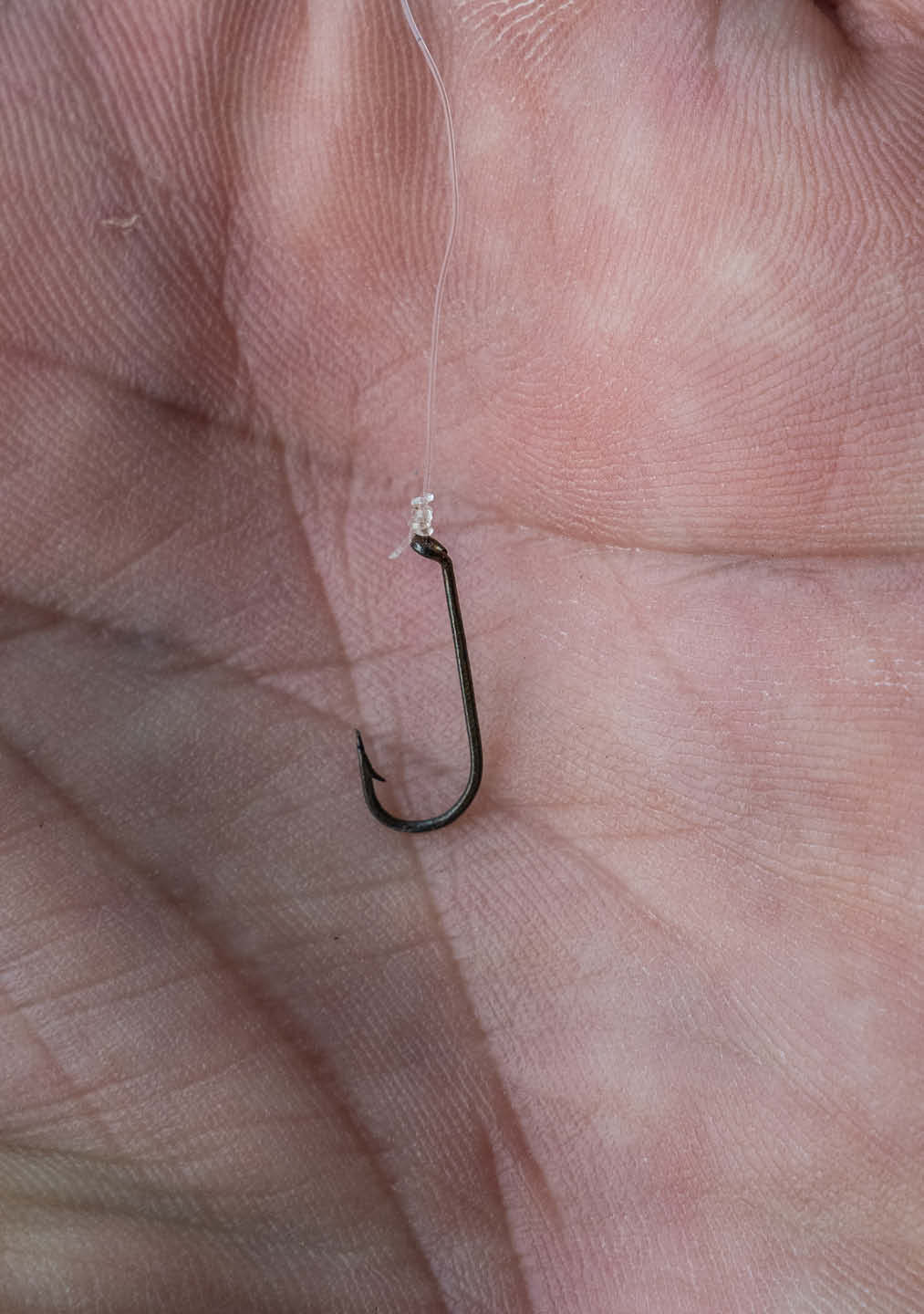
Jig flies (sabikis) that come in a string of 4 - 7 flies/hooks are popular for targeting Jack mackerel especially in open water. The jig flies are effective, but they also tangle easily and catch fingers and clothing also equally quickly. I find sometimes berleying up in shallow kelpy areas around reefs will quickly attract mackerel. My favourite rig for targeting mackerel, koheru, and piper is to use a short 30cm leader of 6lb mono attached to a small swivel and then a small size 12 or 14 Black Magic trout hook.
Trout hooks have thin sharp points and seem to penetrate their mouths so much more easily than the small saltwater hooks on the market today. The downside is that they also rust quickly from saltwater use unless you add some vegetable oil to the packet of used hooks.
Adding a float another 40cm above the swivel is also a good strategy when fishing from the shore. Any movement from the float either going under or sideways should be met with a quick flick of the rod to set the hook.


LEADER
How long should your leader be?
When fishing under a sinker over reefs, a shorter 1-1.5m leader of Black Magic 80-150lb trace are the best options, with 100lb Tough Trace being my pick as a good all-round strength. If you are fishing places like Taheke reef off Whangaroa or Tuhua reef off Mayor Island during the summer months, then going up to a 150lb leader is a better idea as there are chances of hooking a marlin.
When using live piper under afloat, 60-80lb Black Magic leader is preferable to reduce fatigue on the fish. Don’t go cheap when it comes to hooks, swivels and leader, kingfish fights are brutal and will test your gear (especially if you’re fishing off the rocks). Live baiting is an exciting form of fishing, choosing the right hook will depend on the species you are targeting and the size of live bait you are using - tight lines.