
Product Guide
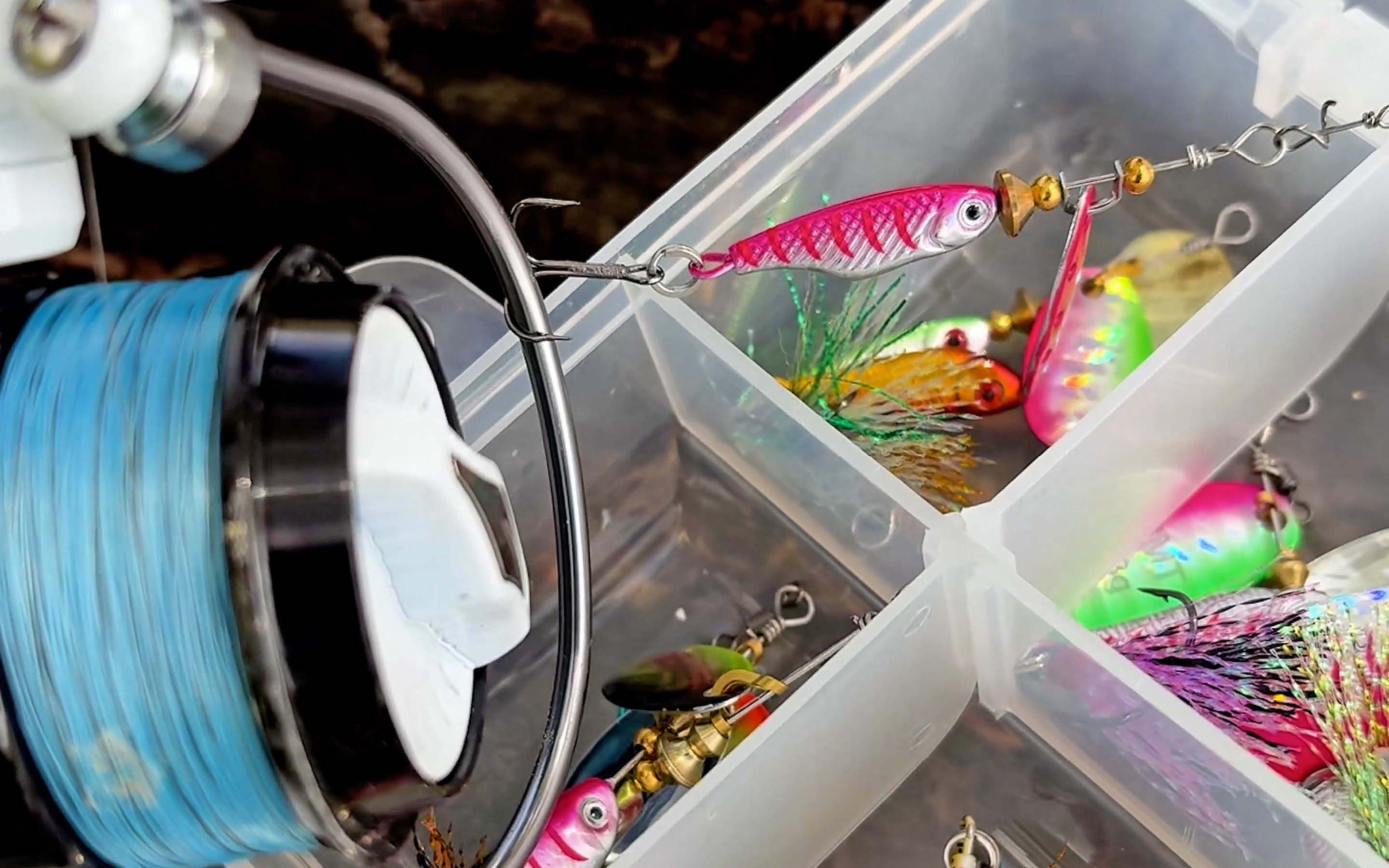
Take a predator for a spin! With SPINMAX & Spinsect lures.


Quick Links
Dominating the Water Column
In the NZ and Aussie backcountry or estuary, success isn't just about the cast—it’s about commanding the depth. Whether you’re stalking high-country browns or casting for Bass in a snaggy creek, your lure needs to match the water's "hydrodynamic signature."
By pairing the Spinmax with the high-velocity Spinsect, you have a dual-threat system designed to stay in the strike zone longer.
No items found.
Blade Physics: Thump vs. Flash
The"secret sauce" is in the displacement and drag profile of the blades.
No items found.
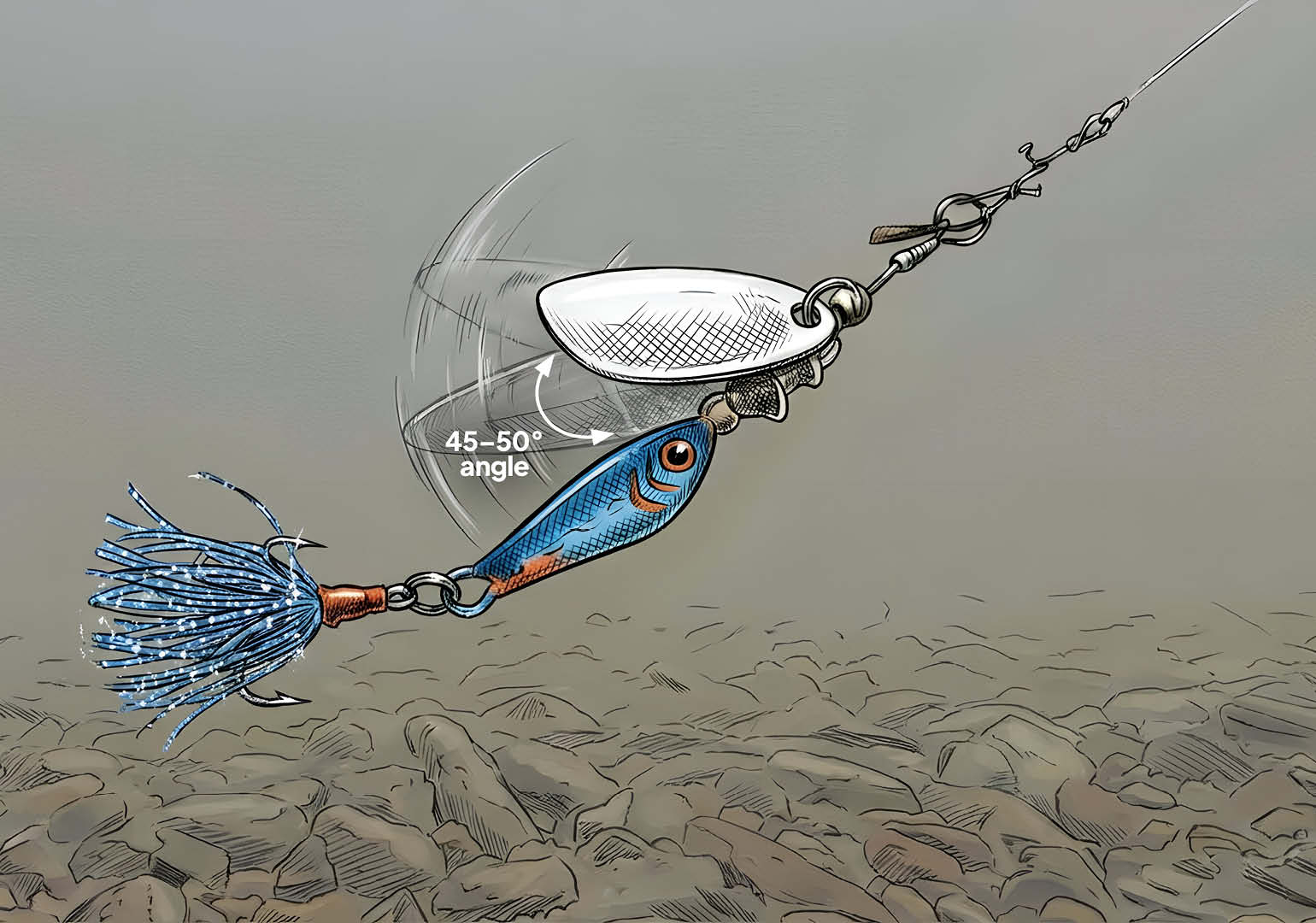
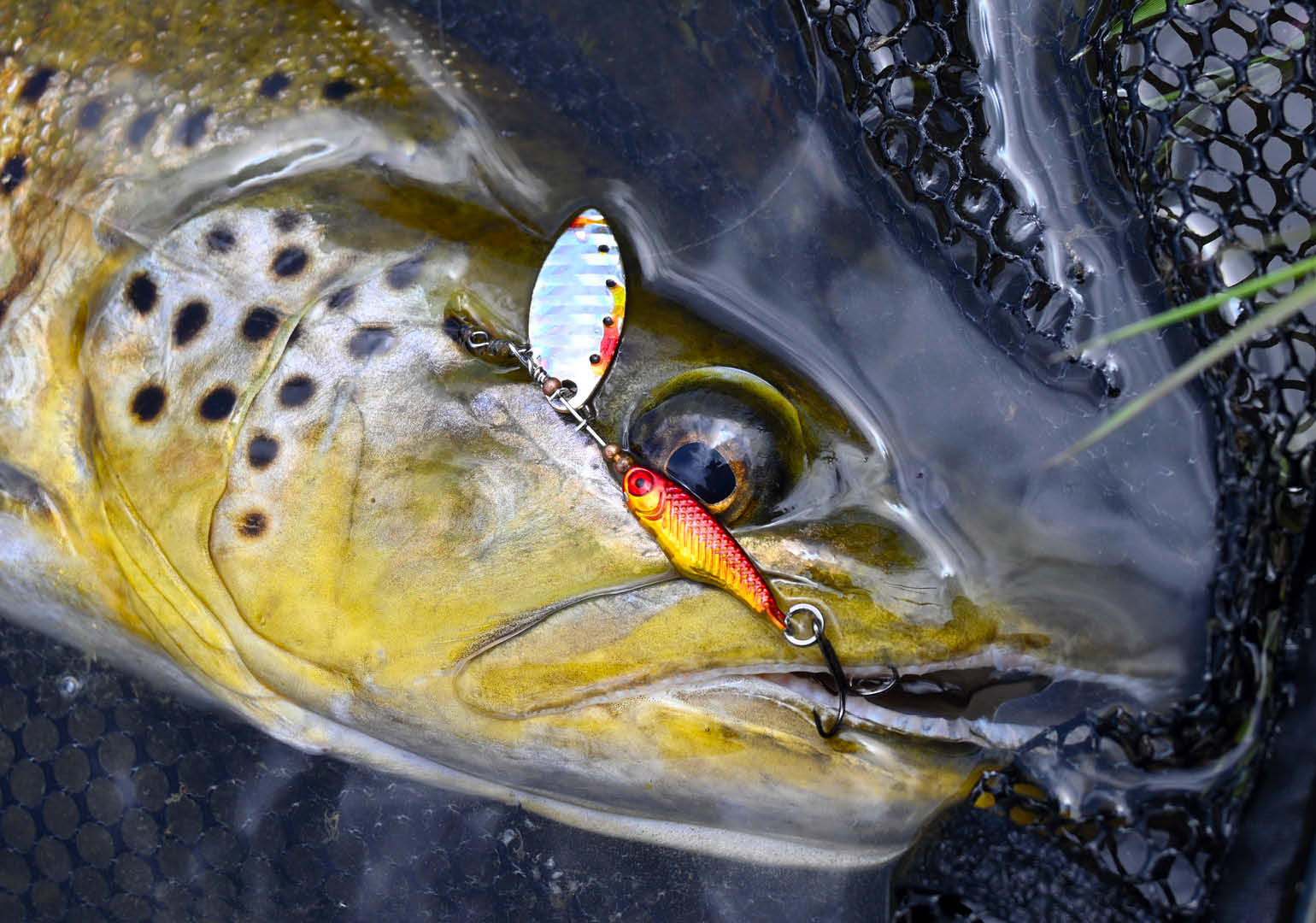
- Spinmax (Wide Spoon Blade):
- Acts like a "Colorado" blade with high water resistance.
- Rotates at a wide angle (45–50 degrees).
- The Result: A heavy "thump" (low-frequency vibration) that fish feel through their lateral lines.
No items found.
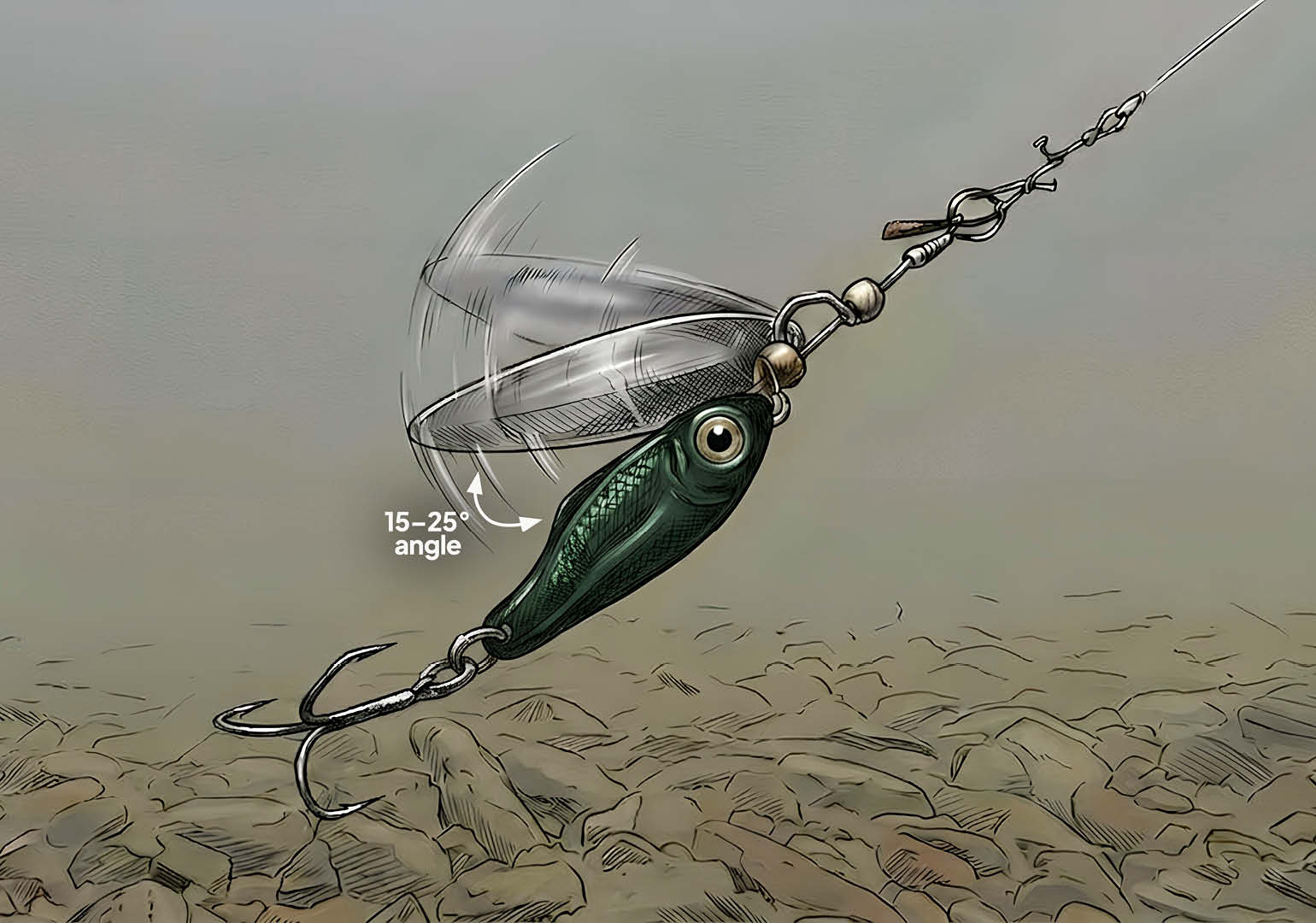
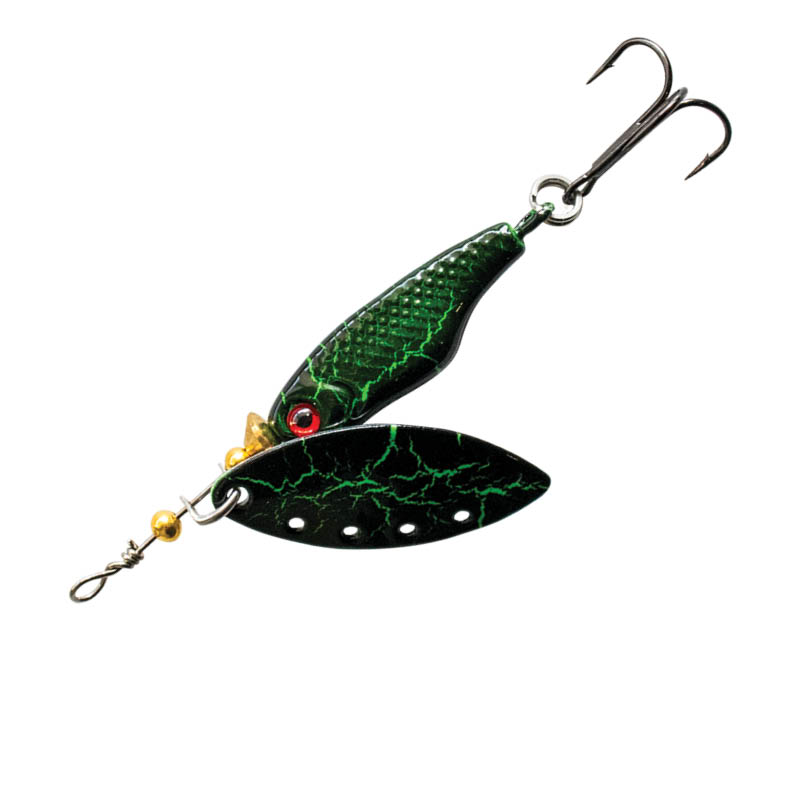
- Spinsect (Leaf Blade with Holes):
- Mirrors "Willow leaf" physics to minimize drag.
- Rotates tight to the body (15–25 degrees) at much higher RPMs.
- The Result: Intense visual flash and a "bubble trail" through the blade holes.
No items found.
Master the Water Column
The blade shape dictates where your lure sits in the water.
- The Lift Factor: The Spinmax acts like a parachute, providing "lift" to stay high even on a slow retrieve. Perfect for slow-rolling over weed beds or shallow snags.
- The Slice Factor: The Spinsect "slices" through the water with minimal lift. It’s a deep-water specialist, essential for plumbing the depths of Lake Taupō or staying down in heavy river rapids.
No items found.
.png)
The Fisho’s Cheat Sheet: When to Switch?
Reach for the Spinmax when:
- Fishing shallow weed flats where you need the lure to "float" high.
- Water is stained or silty after rain. The vibration helps fish find it when then can’t see it.
- Tempting sluggish fish in quiet pools with a slow, steady roll.
SPINMAX

Fresh Water
Spinmax lures
Lures and Rigs
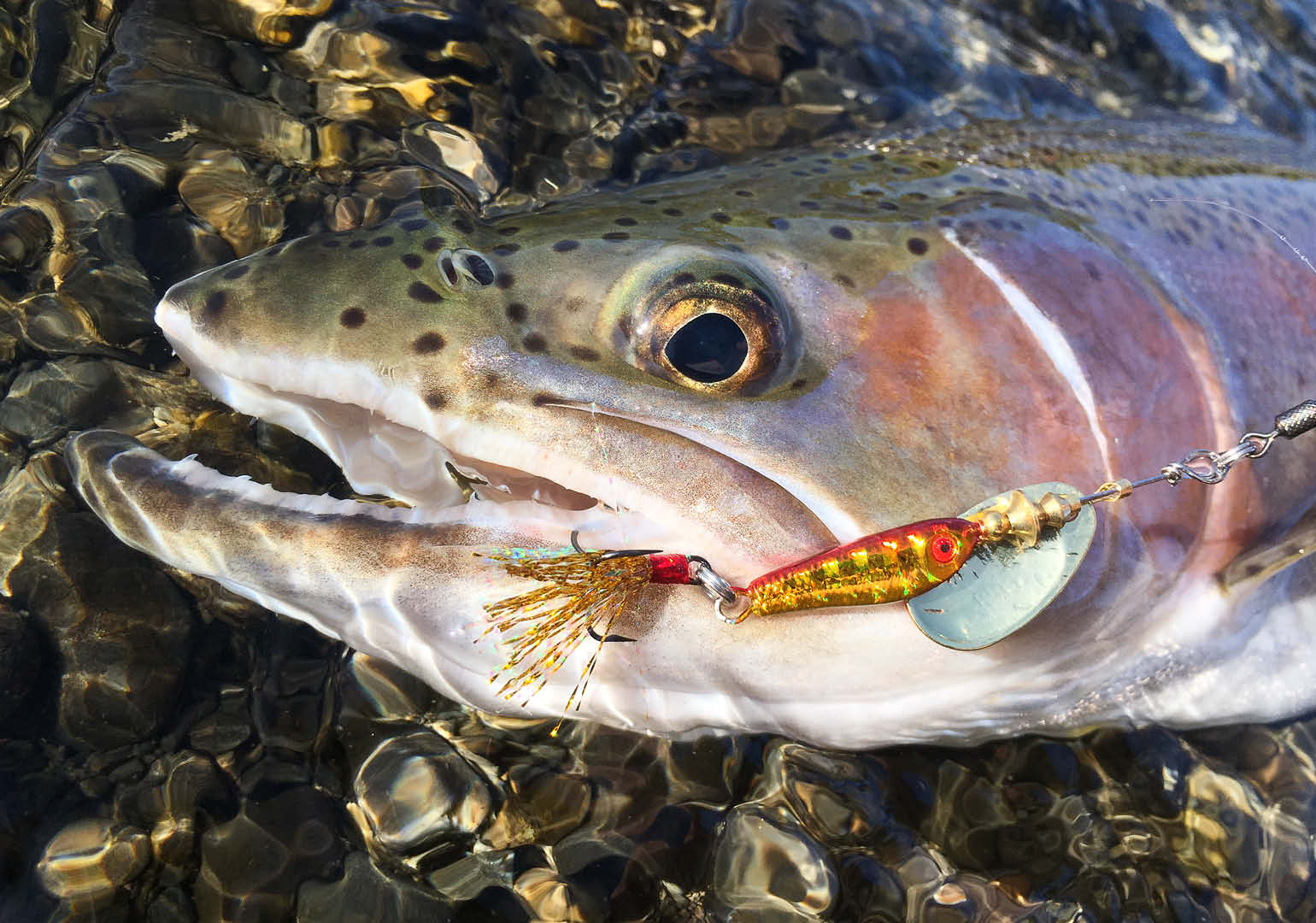
Switch to the Spinsect when:
- Targeting deep drop-offs or the bottom of heavy river rapids.
- The sun is out and the water is crystal clear. The high-speed flash mimics a frantic baitfish.
- Trout or Bass are pressured and wary. The "bubble trail" offers a technical look they haven’t seen before.
SPINSECT
Fresh Water
Spinsect
Lures and Rigs
No items found.
No items found.
Use the Spinmax to be felt and the Spinsect to be seen.








DISCOVER. LEARN. MASTER.


No items found.