Squid Success at Waiheke Island


Early starts are the secret!
Early starts have been key. Getting to targeted bays around, in my case, Waiheke Island, by 5:30 AM, has seen squid coming in from the very first cast. Generally, the action is a little slow until the first peep of the impending sunrise; you might only catch three or four during this dark period, but they are usually the bigger ones. As soon as that peep of light hits the sky though, it has been all on. Even sleeper jigs have been catching at great rates. These jigs are simply sitting under the boat barely moving, but as soon as a squid notices them at this hour—bam—you're into them.
You then get a good hour of the squid desperately looking for food in the shallows before heading deeper again to evade predation from their enemies, of which there are many! With your rod whipping away utilizing the ‘EGGI’ method of retrieve, hooking up in this period is relatively easy.
To work the EGGI retrieve effectively during this peak window, cast your jig out wide and count for five to seven seconds. As your jig nears the bottom, we need to get it looking like it's a wounded "something." Give it two or three aggressive whips of your rod while retrieving with the reel handle at the same time, then STOP. Pause for a few seconds. Squid mostly take jigs on the descent. Load the rod again slowly; if no extra weight is detected, repeat the exercise and continue all the way back to the boat. Once weight is felt, it's either the bottom or a squid. Wind in slowly if it is indeed a squid.
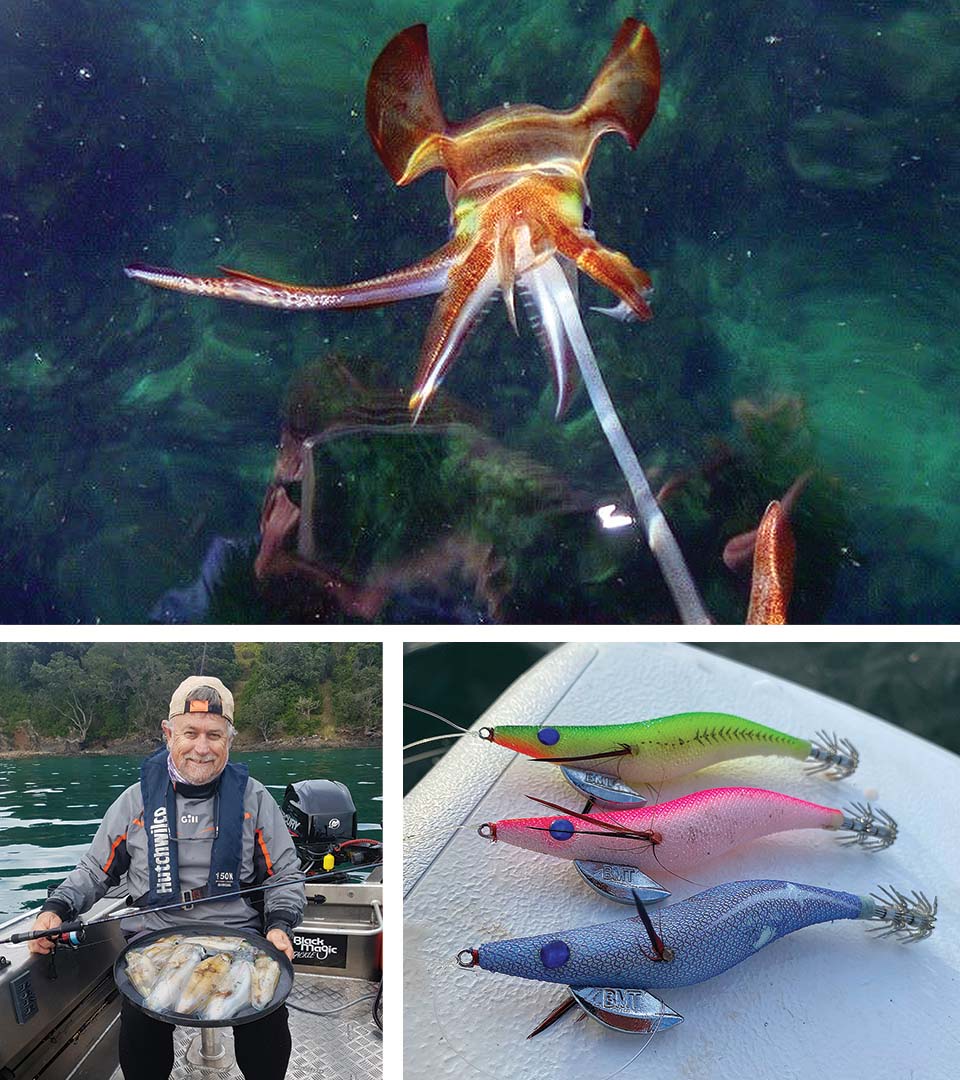
Once that light has filled the sky and you get that period of seeing your braid settling perfectly after casting in the morning light, things then quieten down. Jigs, which need to be constantly changed from bright in the dark to natural in the light, still require frequent swapping to find that magic morning colour. That colour might see you get a few before they wise up to that specific one. Then you must change again.
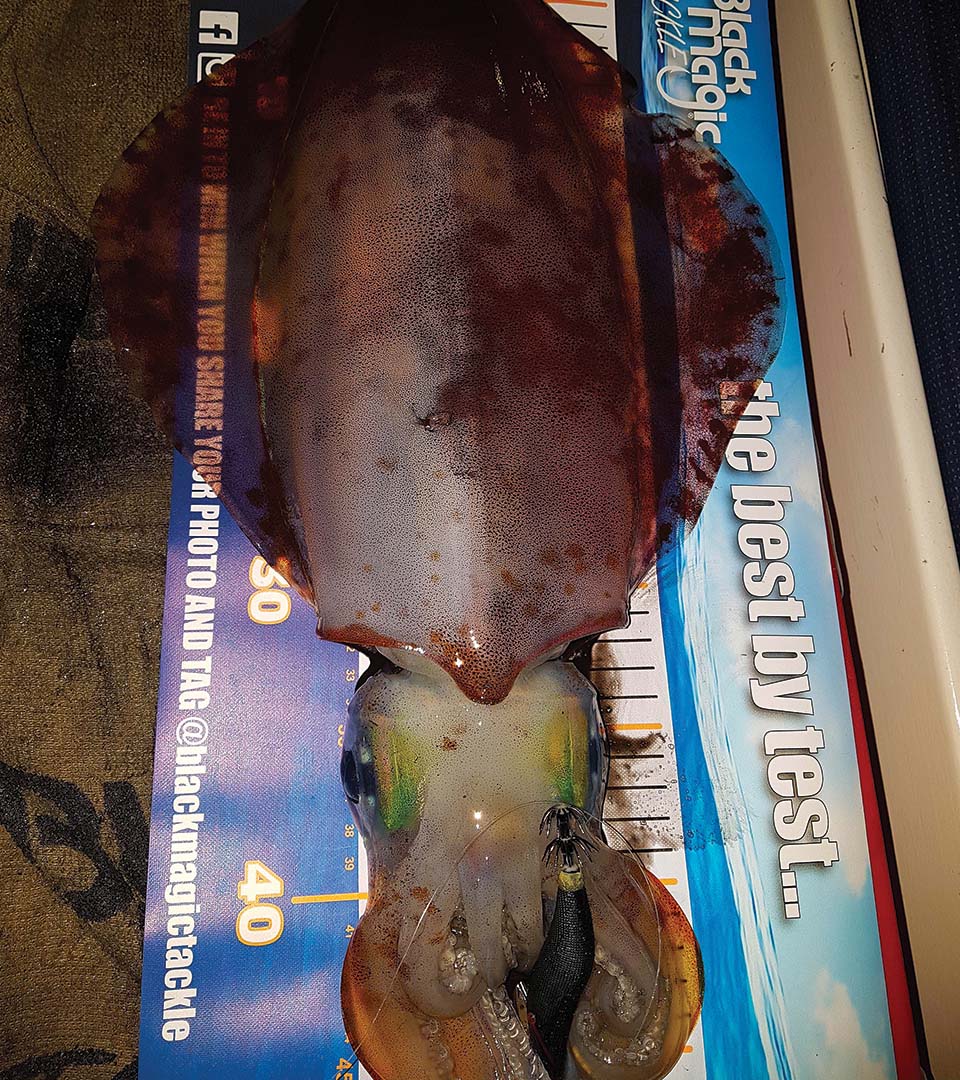
The Black Magic jigs that have been working well this season are any from our white series in size 2.5 or 3.0, particularly in the dark and with no help from a UV torch required. This season, I've found jigs with red under-foil doing the business early once there is light in the sky. Normally the Japanese promote such a colour at night, which just goes to show there are few rules in squid fishing. Our Red Mack, Black Red, and Green Red models have been absolutely braining them. All the above is happening, by the way, mostly in four to five meters of water over broken ground—and at anchor.
The Gear Setup
My typical setup for both the ‘EGGI’ and sleeper rods consists of:
• Rod: Black Magic Gladius Squid Rod
• Reel: 2000 size spinning reel
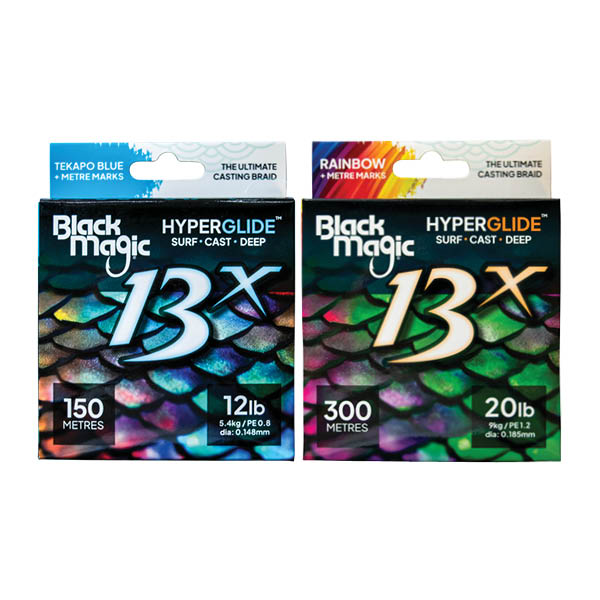
• Mainline: Black Magic Hyperglide 13x (the Rolls Royce of lines) 10lb braid
• Leader: 12lb Black Magic Supple Fluorocarbon Tippet
• Terminal: Black Magic Squid Swivel to a Black Magic Jig
Master Tips for the Shallows
1. Manage the Followers
When hooking up, a slow retrieve may often attract other squid to follow. They are cannibals, so they will actively try to eat each other when one is in trouble. These followers will either see your sleeper jigs and attack them, or your mate can flick their jig right behind your caught one to hook them.
If there are a few followers around, let the "raid" commence. Keep one squid in the water on the jig to hold the school around the boat while you land the first one. Hook up the second squid, boat the first, and get your empty jig right back in the water. Keep repeating this rotation until all the followers are caught—happy days.
2. Master the Strike and the Reset
Striking should be done with soft drags, so you do not rip the tentacles off. Don't strike too fast or you will get far more tentacle-only hookups. Ideally, you want to let them load up slowly, which often sees them head-hooked—making it pretty much impossible for them to escape. If they do happen to fall off, STOP. Let some line out. In most cases, they will immediately attack the jig again. For such intelligent creatures, this is easily their dumbest trait.
3. Pattern - the Season and Weather
Between now and October, the squid gain size incredibly fast. The true beasts happen for me in September. After this peak, their condition can falter a little, and they often come in quite marked up from predator attacks. For optimal conditions, look for mirror-like sea states, a few days of dry weather, and a high tide in the early hours of the morning. A New Moon is way better than a Full Moon for this specific style of fishing.
The beauty about this approach is that almost no one else is doing it in this manner. If you have a boat capable of overnighting, you have a massive advantage. Oh, and if you are fishing with a mate, wear white T-shirts for extra ink-splattered fun...
A Final Note on Sustainability
Catch what you need, not what you can catch. Ten is a pretty good number to take home. Landing 20 or more is simply greedy, and you will ruin that specific bay for the next season. Cleaning out the breeding stock over the next few months while they are aggregating in the shallows is a really bad idea!
The following tackle is key to succes!