Balancing Great Expectations


When it comes to gear, styles, and target species, modern anglers have become incredibly opinionated on all facets.
It all about context!
You see this clearly during face-to-face chats over a bar leaner at a local fishing comp. Through actual conversation, reason comes into play. Being open-minded, you can discuss your triumphs and failures with mates, learning where you went right—or, sadly, where you went wrong. Social media, on the other hand, appears to be a very different beast altogether.
Anglers can instantly draw attention to themselves by posting opinions directly about a subject online. If agreement isn't reached by absolutely anyone, the responses can be brutal. Reason simply goes out the window, hence the phrase "keyboard warriors" often used to describe such fisher folk. Gone is respect for elders, respect for their craft, respect for the fish themselves, and respect for the feelings of their actual peers—who all, lest we forget, share a common love of fishing.
The other noticeable change in fisher folk these days is their expectations. Back in the day, when there was less choice available in terms of fishing equipment or boats, anglers seemed a little more balanced and measured. Learning was harder because there was less info around. The only way to improve was to spend time honing your craft with a bait in the water. Failures were had until success was discovered. Only then did expectations increase. Equipment wasn't as technical, but it was functional. There certainly wasn't the mind-boggling choice we have today.
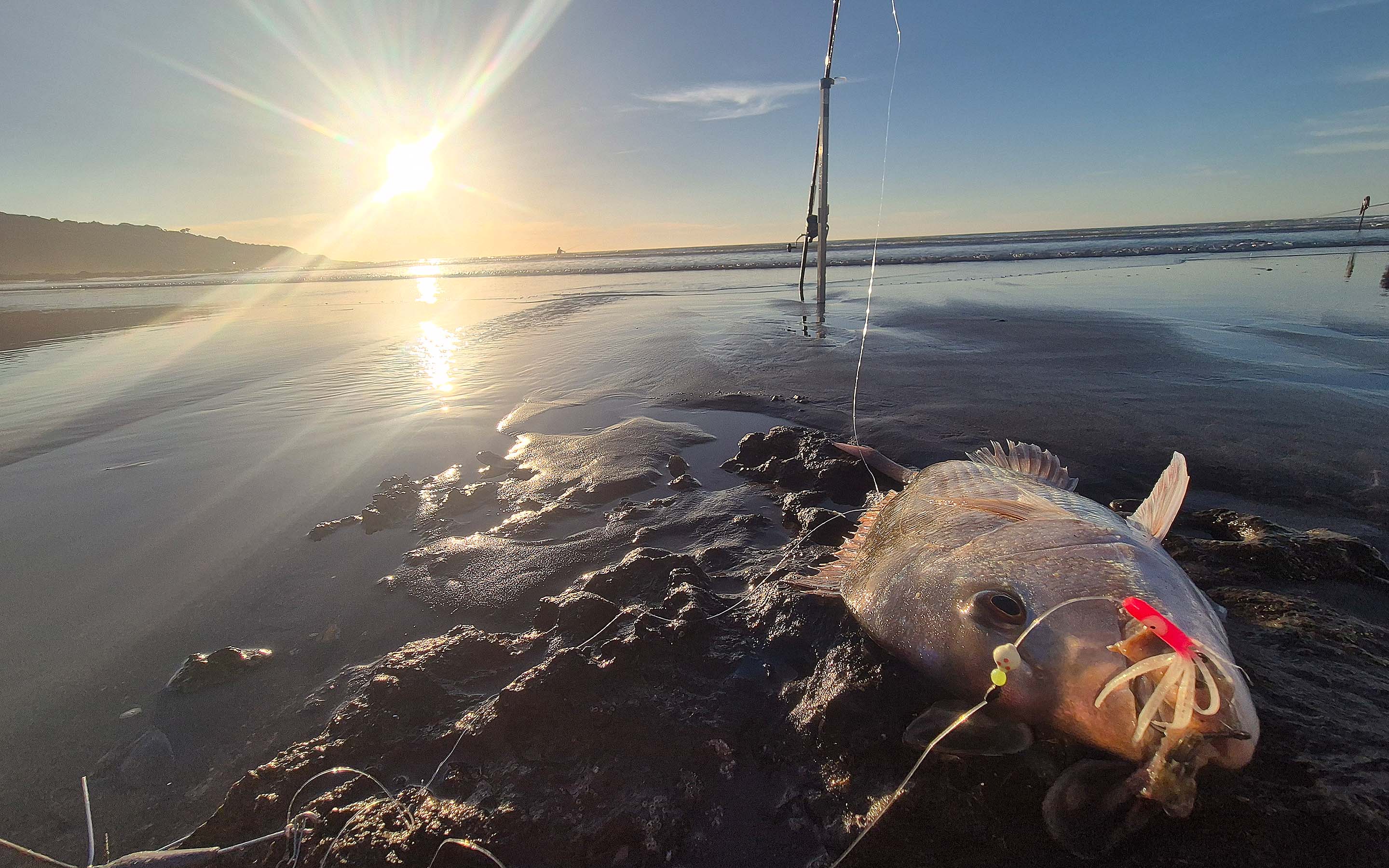
What some modern anglers fail to understand is the absolute load that hooks have to endure. Let's take the humble snapper—a very popular quarry. First, you have to understand the power of their jaws. This fish doesn't just feed on pilchards like some may think; shellfish are a staple diet. If you've never seen it before, it's quite a sight: 90 Mile Beach early in the morning, knee-deep water. Many anglers, including myself, have seen them with tails out of the water and heads down, feeding on tuatua. They simply crush them up with a single bite and devour the contents. I've never met an angler who likes sticking their fingers in the gob of a freshly caught snapper. The power of their jaws alone is enough to badly deform a hook or simply snap it in half. A human finger? Very likely to be completely crushed by a big boy snapper.
Another common mistake is fishing with an unbalanced system. Picture this: 40lb braid, an 80lb trace, locked-up drags... and a tiny 4/0 hook. If you hook a big fish in such a "system," the load you are putting through that little hook is simply one hell of a lot. This is only compounded if that nice, sharp hook has gone into solid bone. The hook is unable to move as angles change while you retrieve line, putting huge pressure on different parts of the metal. Add a sticky drag to the equation thanks to an uncared-for reel, and something is bound to give. The hook is high on the list of possible failure points. If it had rust spots on it before you started, that's likely the exact reason you lost your fish and got half a hook back.
Mistakes also happen when anglers refuse to use a net or a gaff to boat or land a big fish. A few wraps of the line around the hand, and we think we'll just heave in "the biggest fish I've ever seen before." As the lift is done, the full weight of the fish is felt. The angler pulls harder; the fish kicks its tail because the lift wasn't enough and suddenly double the fish's weight is transferred through the trace and hook. Something gives. Hopefully, the fish is already on the rocks or in the boat before this occurs. It's always preventable, but it's simply bad practice practiced by even seasoned anglers.
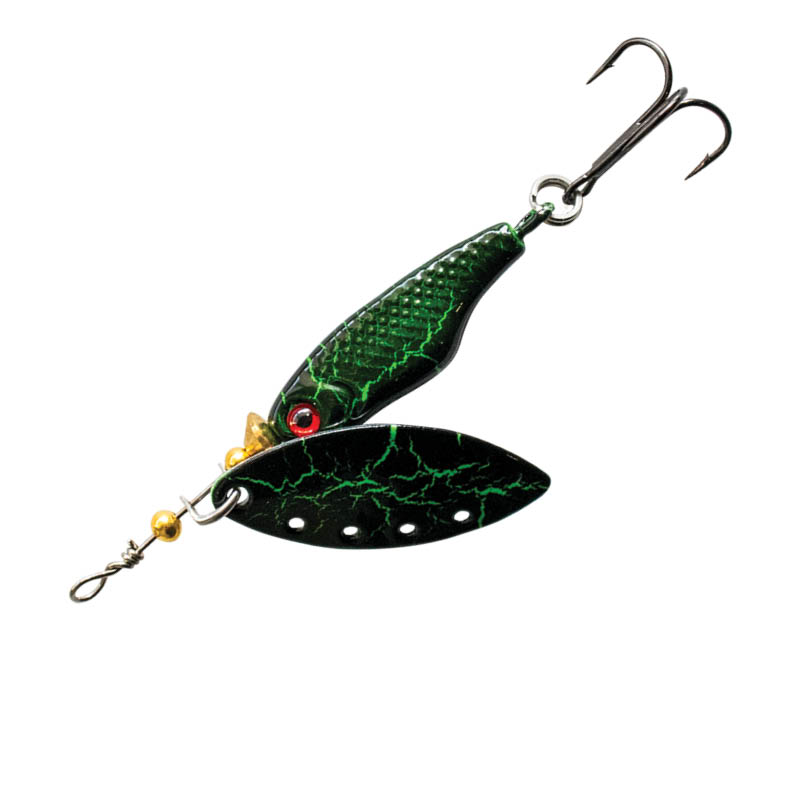
Where great expectations sadly unravel for several fishos is on lures with micro-hooks. Micro-jig fishing is highly popular for tricking fish into thinking a tiny lure is easy prey. All manner of species can be attracted to this offering. A lot of the time it's small stuff, but on their day, they can fish very well if you find a patch of bigger fish.
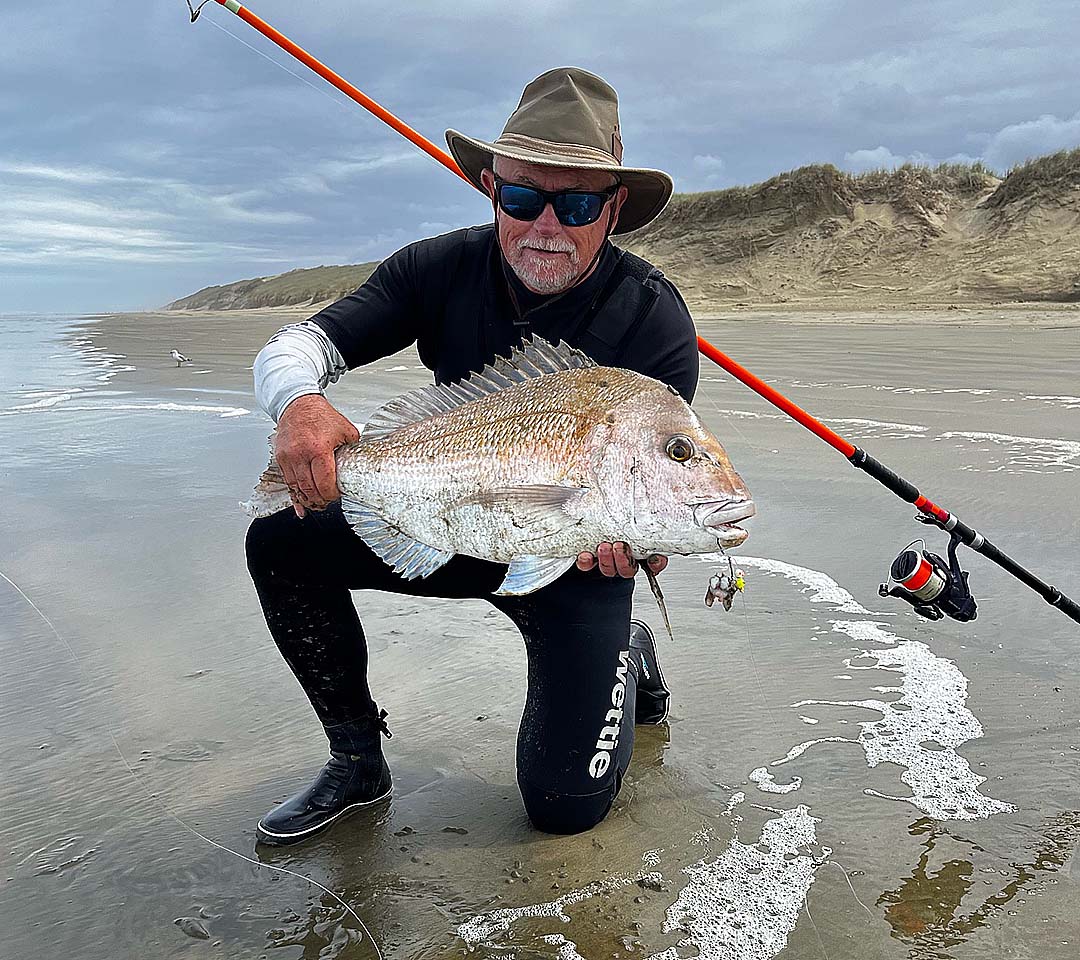
The problem is that balance comes into play yet again. Both split rings and hooks can have great pressure put on them, particularly if you snag up on a rock while fishing on the drift. Yanking the hell out of it—especially if you're fishing an unbalanced system—could well break one of those tiny hooks. A big snapper can easily crush a micro-hook with its powerful jaws, leaving you with a very sickly feeling. You will, however, have learned that there are "big bears" in the area. Time to upsize your gear.
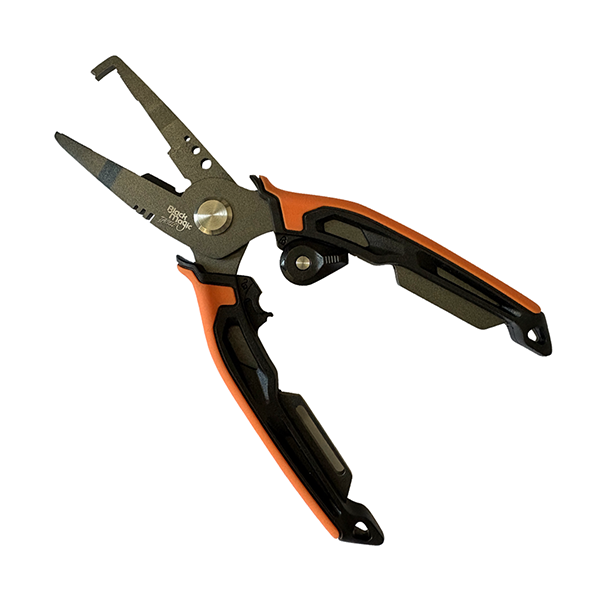
Even de-hooking a fish can result in bent or broken hooks when an angler uses pliers to brutally rip them out of a fish's gob. Determined as you may be to get that hook out quickly so you can get back to fishing, you're better off taking your time. Manipulate the hook out carefully to keep both the trace and hook free from structural damage. A close inspection of the trace and hook should be mandatory after any tough extraction.
So, next time your great expectations aren't met, try this: think about what happened. If you feel you have genuinely encountered a fair product failure, do the right thing. Keep the broken item. When you get home and jump onto your computer, look up the brand's contact details and get in touch with them directly. Even better, if you can get them on the phone, you may get your complaint resolved even quicker.
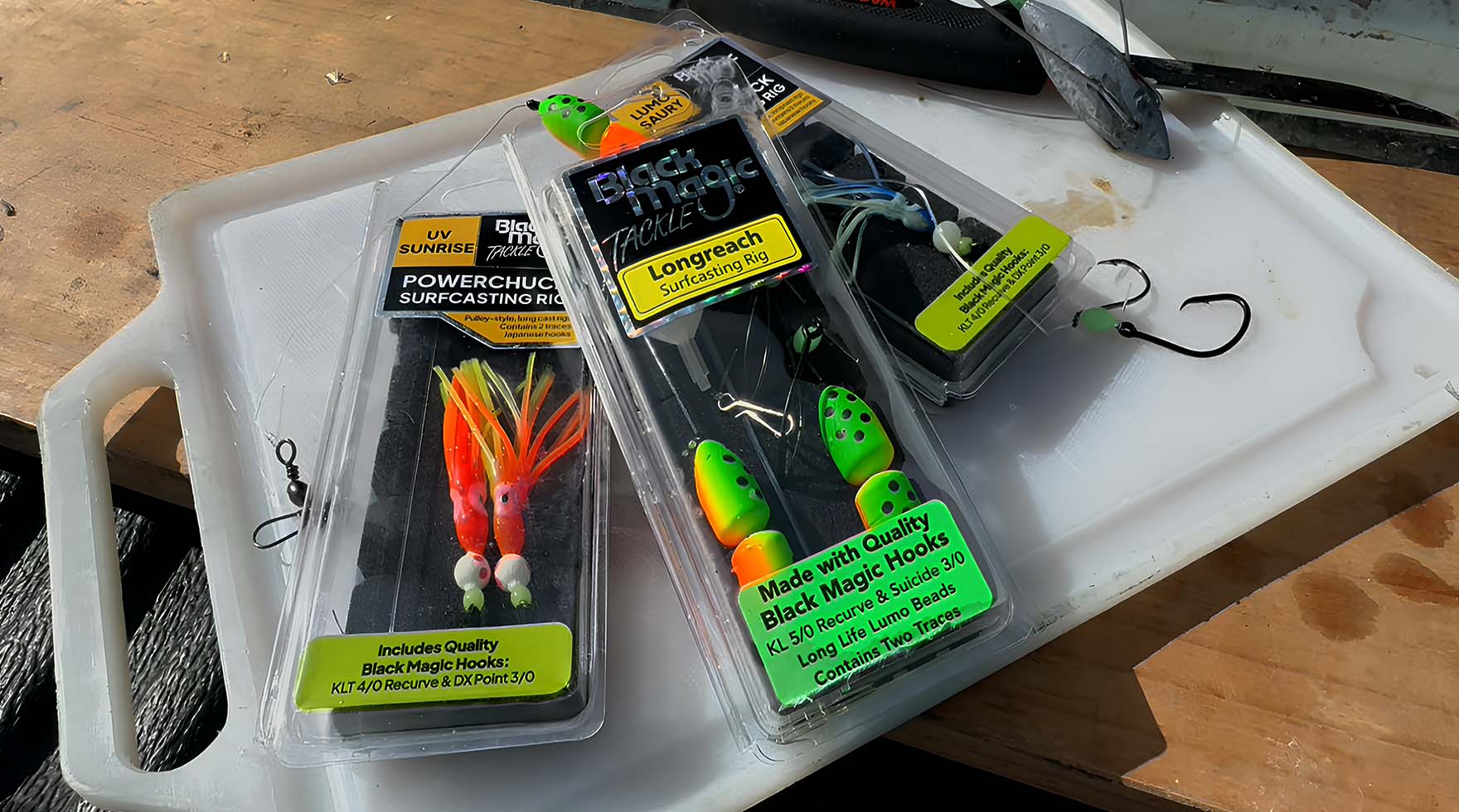
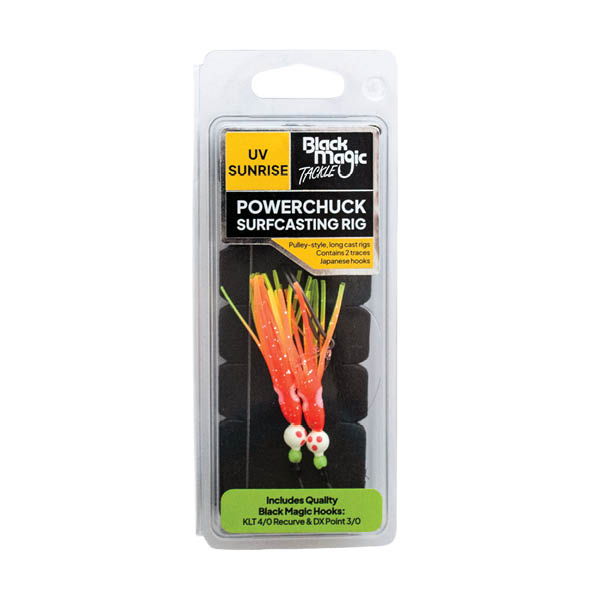
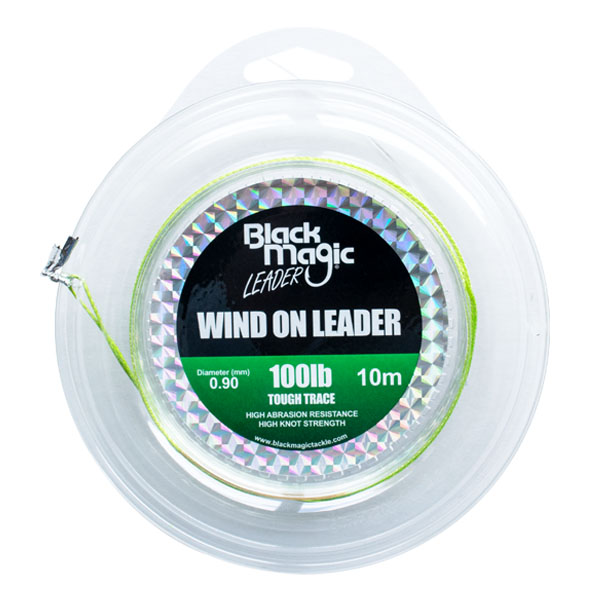
If you encounter a broken hook, ask yourself if any of the above blunders were relevant. To my knowledge, the only big brand in New Zealand dealing with imported tackle that batch-tests to breaking point before sending items into shops is Black Magic Tackle. It should be reassuring to anglers that they practice what they preach: "Best by test." Also, they genuinely want to hear of a potential issue that slipped past quality control, just as any reputable company would.
Ultimately, I've only covered hooks here. The exact same lessons apply to your trace, monofilament, braid, rods, reels, boats, motors, trailers, and two vehicles. Next time you feel like jumping on social media to complain, don't. Use your time more productively and contact a real person at the company involved. If a manufacturing flaw is proven, they might even give you more than what you broke.

.jpg)

.jpg)