
Becoming a Better Angler


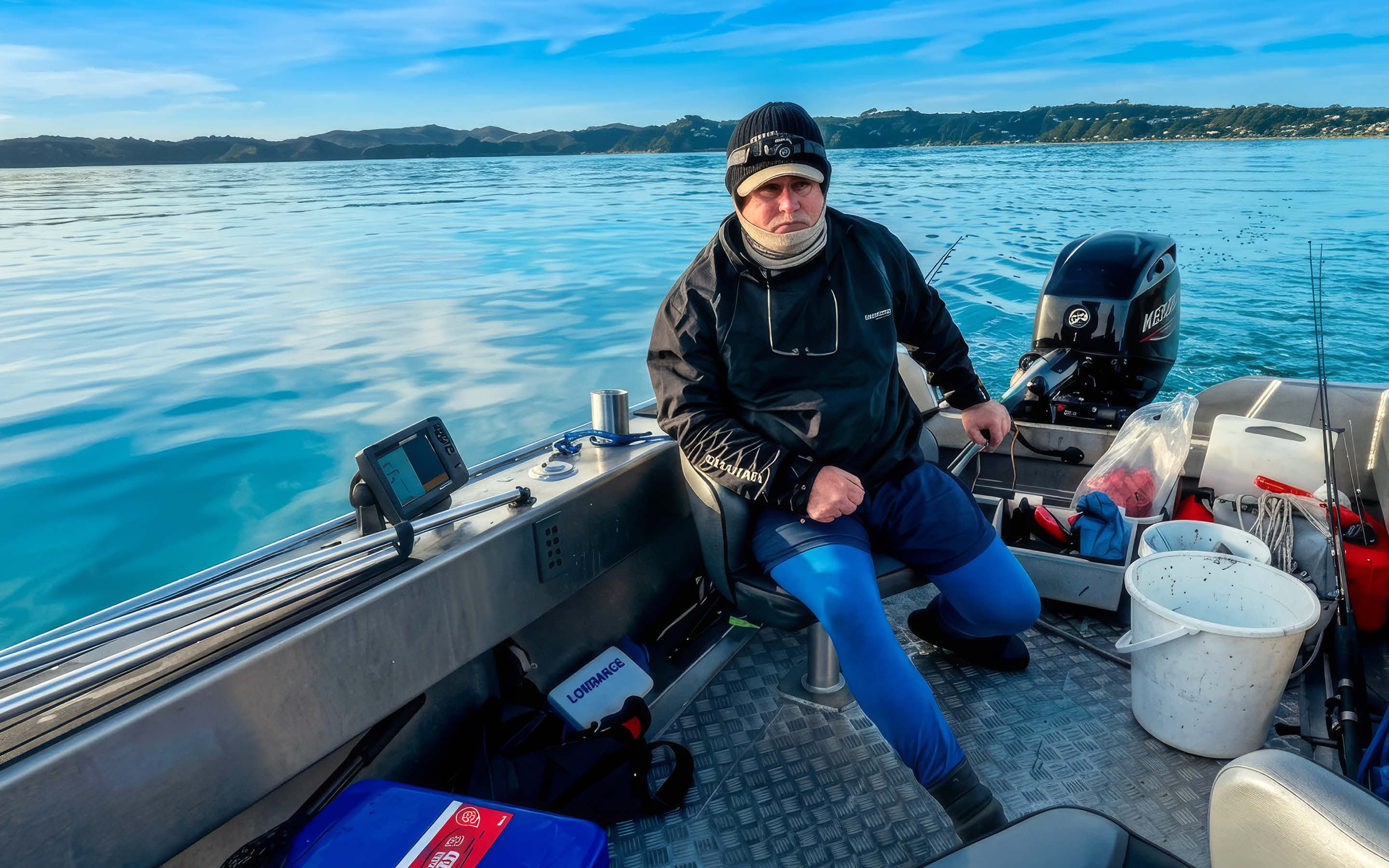
So, you think you’re a pretty good angler?
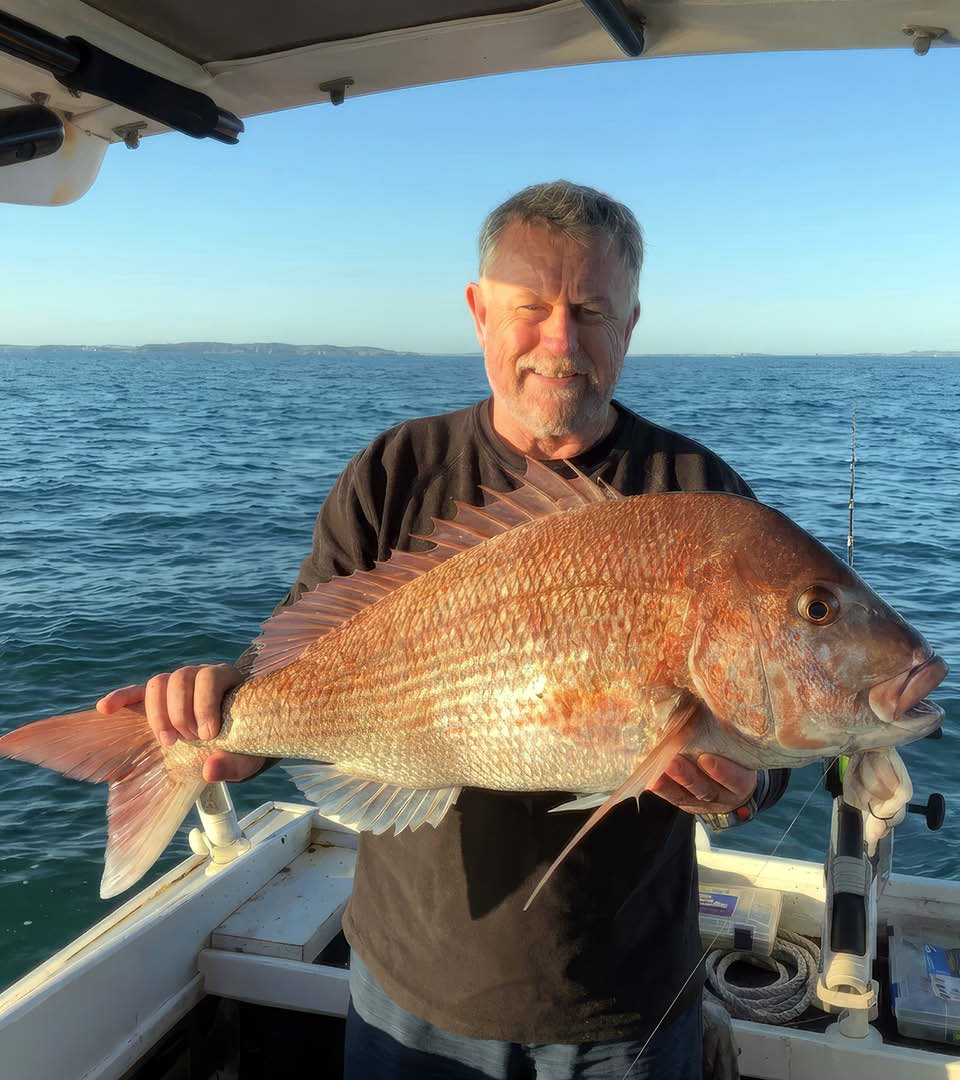
Maybe you’ve landed a few big snapper, a Kingi or ten, or even snagged a prize at the local fishing comp. You’ve likely done the rounds on social media with the "brag shots"—the classic pose beside a big marlin at the weigh station, rod in hand, looking the part.
But here is the real question: how do you get better? Some are happy to plateau, but if you have the itch to improve, it takes more than just expensive tackle. Here are some tips gleaned from over 50 years on the water, alongside wisdom from those who have consistently out fished me!
1. Listen More, Talk Less
Listening is an easy skill in theory, but hard in practice. In your fishing circle, think about who does the talking. The introvert often has the advantage here—they aren’t busy filling the air with their own voice.
In an age where we are bombarded by "influencers" and wholesalers promising instant success, effective listening is about filtering the turds from the gold. Take a leaf out of a charter skipper’s book. Every skipper I’ve spoken to says the same thing: women are often the best anglers on the boat. Why? Because they listen to the advice given, whereas the blokes often assume they already know it all. The skipper spends more time on the water than anyone; ignore their advice at your own peril.
2. Modern Research
We’ve come a long way from the days when the only source of truth was a dusty set of encyclopaedias. Today, digital tools can make you an expert on a new location before you’ve even hitched the trailer.
If you’re travelling to a new spot, use Google or AI tools to get the lay of the land. This digital intelligence provides a massive "cake" of knowledge. When you arrive, a quick chat with a local at the pub or the boat ramp becomes the icing on that cake. Use technology to do the heavy lifting, then use local intel to fine-tune the plan.
3. Sifting the Intel
The problem today isn't a lack of information; it’s having too much. You must find your trusted sources. While the best intel often comes from an angler who was just there, remember that for bottom fishing, every day is different.
Adopt a "weather forecast" attitude. Don’t just trust one source. Speak to several people, look at various reports, and take a "medium" approach to what you hear. If three different people tell you the fish are deep, they’re probably deep. If only one says it, take it with a grain of sea salt.
4. The Power of a Plan
There’s a famous fisherman from the Far North who makes a living filming the chaos of having no plan. It’s entertaining to watch, but it’s a frustrating way to fish. Planning gives you peace of mind and, more importantly, safety.
Always have a Plan A and a Plan B. Know your tides, your goals, and your methods before you leave the driveway. Being able to pivot based on the weather or activity you see on the sounder is the hallmark of a thinking angler. I’d bet even that "unplanned" Far North fisherman does a bit more prep than he lets on.
5. Time on the Water
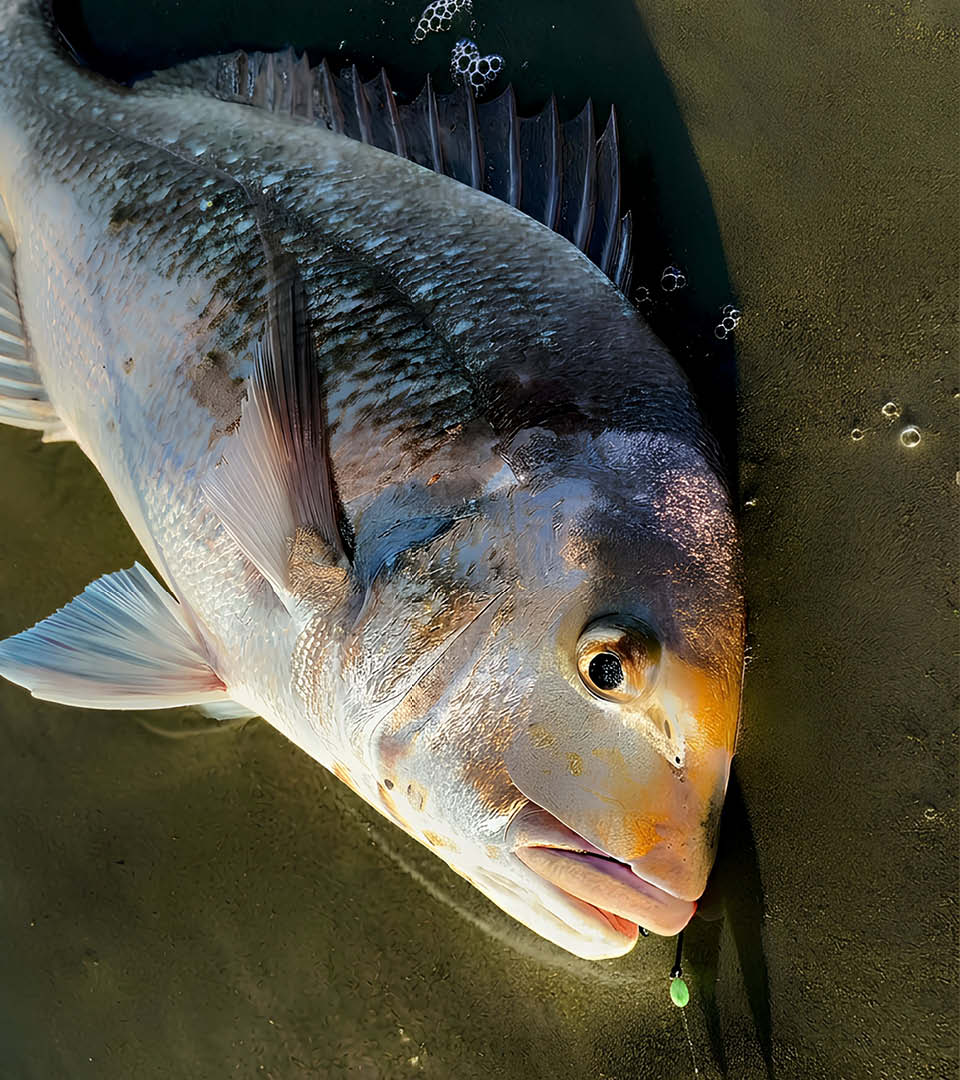
This is my number one rule. There is no substitute for time spent on the stones, the beaches, the rivers, or the deck. Every trip is a lesson. You learn when you fail, and you learn when you succeed.
If you want to fast-track this process, book a charter. It’s the most cost-effective way to buy experience. A good skipper has a wealth of info built over years of daily sessions. If you listen and observe what makes their bin fill up, that charter fee is a bargain. Just do the right thing—leave the handheld GPS at home.
6. Confidence and Pivoting
Confidence isn’t about being brash; it’s about knowing your craft well enough to know when to change. If you’re confident the fish are there but you’re only landing "rats," a confident angler has the guts to alter the method—maybe more berley or bigger baits—rather than just driving the boat like a bus from spot to spot. Confidence is knowing when to wait out a tide because history tells you “It will happen!"
7. Know Your Limitations
Whether it’s your gear, your boat, the weather, or even the "time-away" allowed by your partner, know your limits. A good angler never blames their tools.
The internet is full of people bagging brands, lures, or weather forecasters. These people usually lack "balance." Products break and fish have powerful jaws. If you put a chemically sharpened hook through bone and apply massive pressure, something might give. Understanding the physics of your gear prevents the "one that got away" whinging.
8. Gear vs. Connection
A "good" angler isn't always the "flashy" one with the most expensive kit. They are the ones who know their gear inside and out. They hose down the mid-range stuff and meticulously clean the high-end gear because they respect its value.
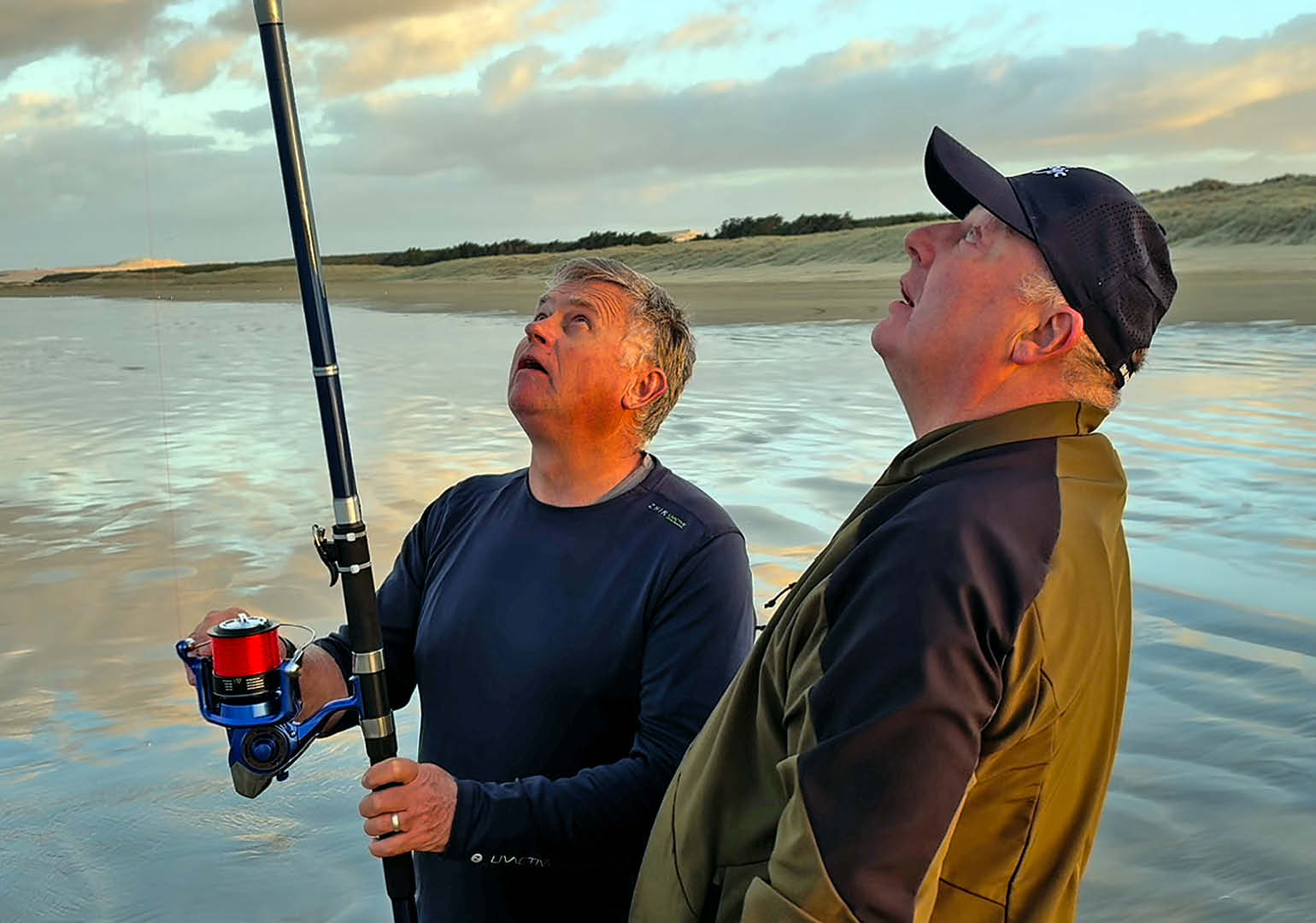
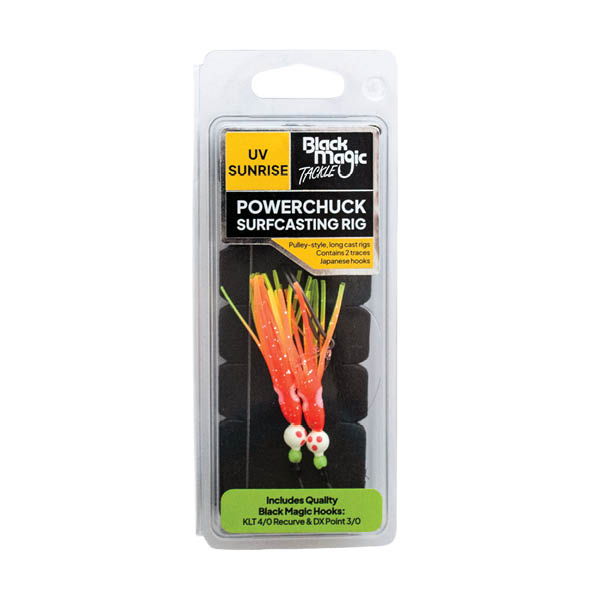
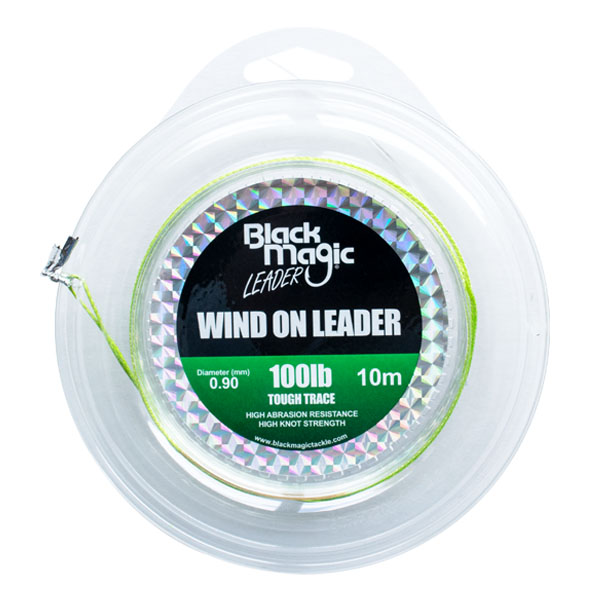
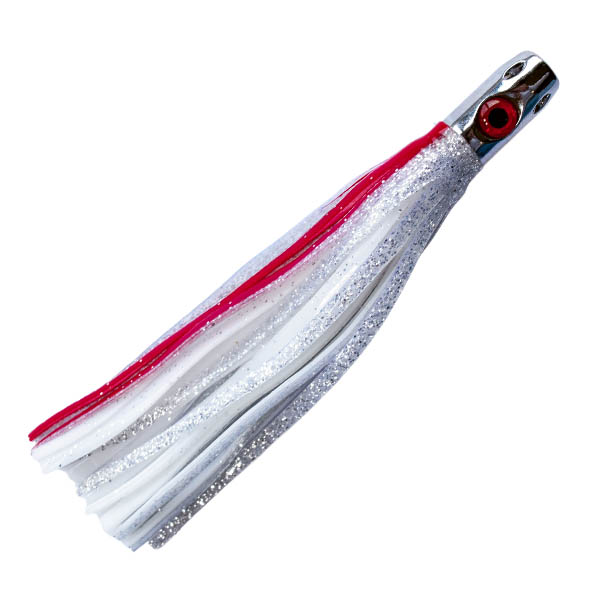
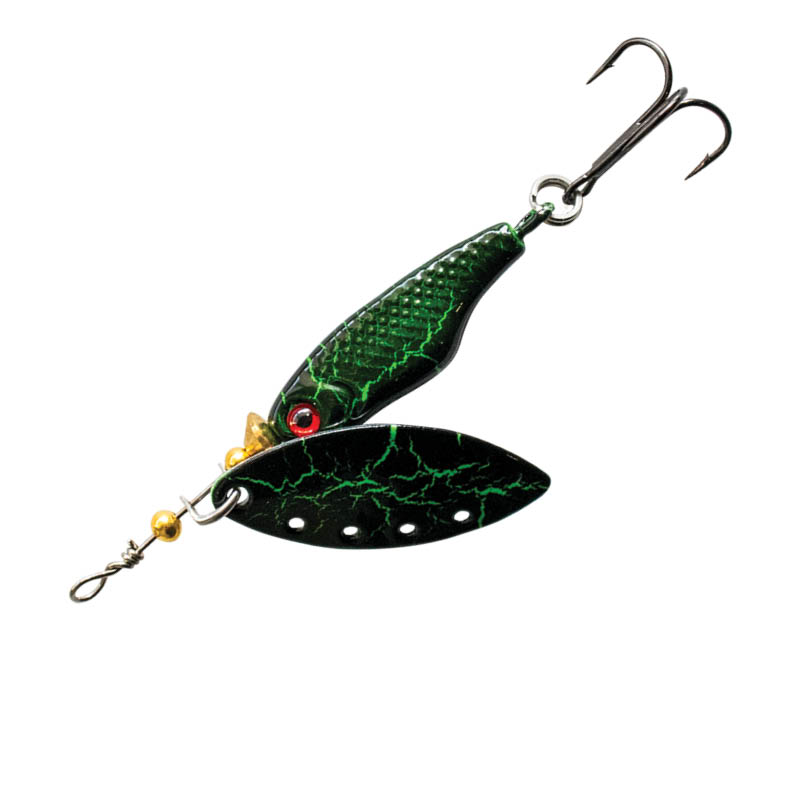
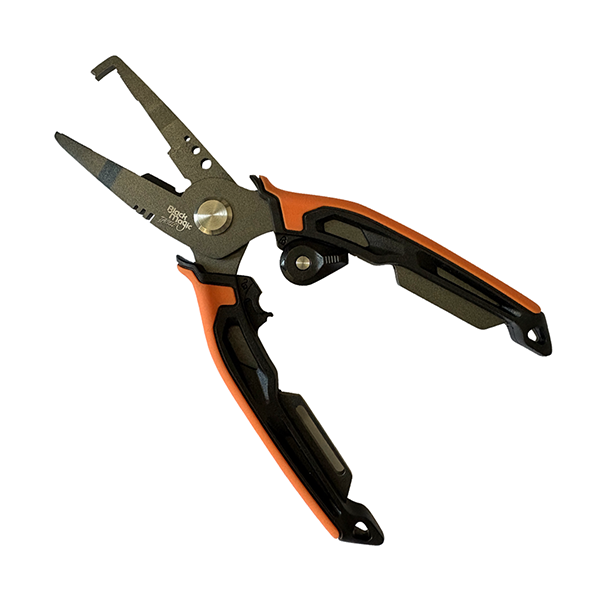
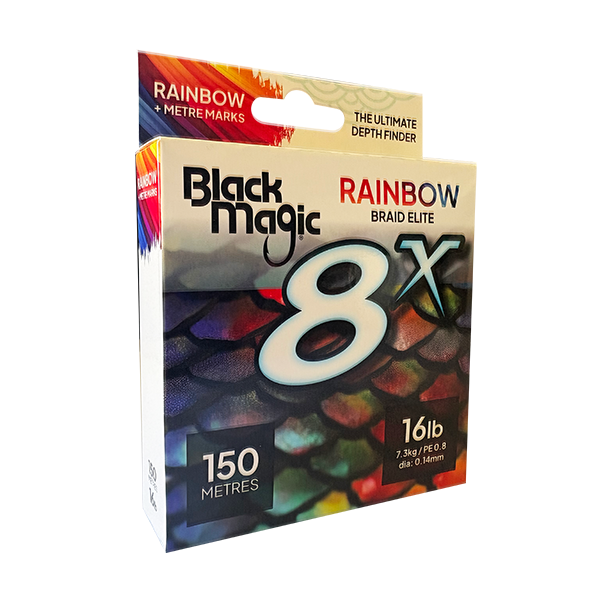
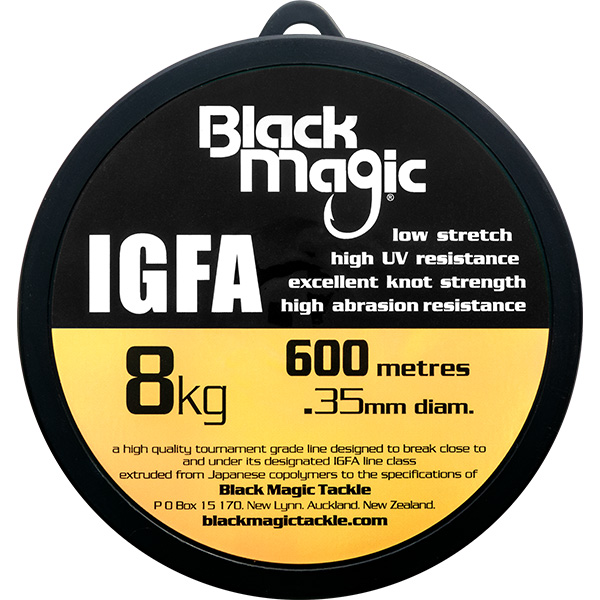
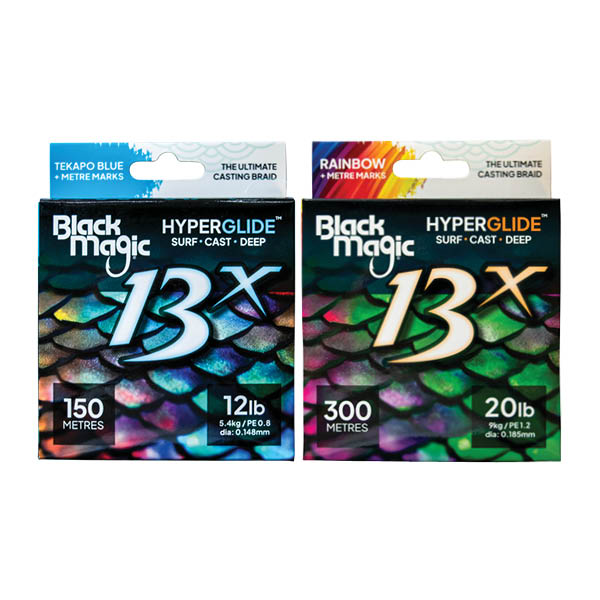
The real secret is the connection between you and the fish: the tackle. High-end rods and reels are "levers and winches" for comfort, but your knots, your drag settings, and your hooks are what catch the fish. A good angler has supreme confidence in their knots and uses hooks that are fresh and blemish-free.

.jpg)

.jpg)









.jpg)