Cold Gold: South Island Winter Fishing


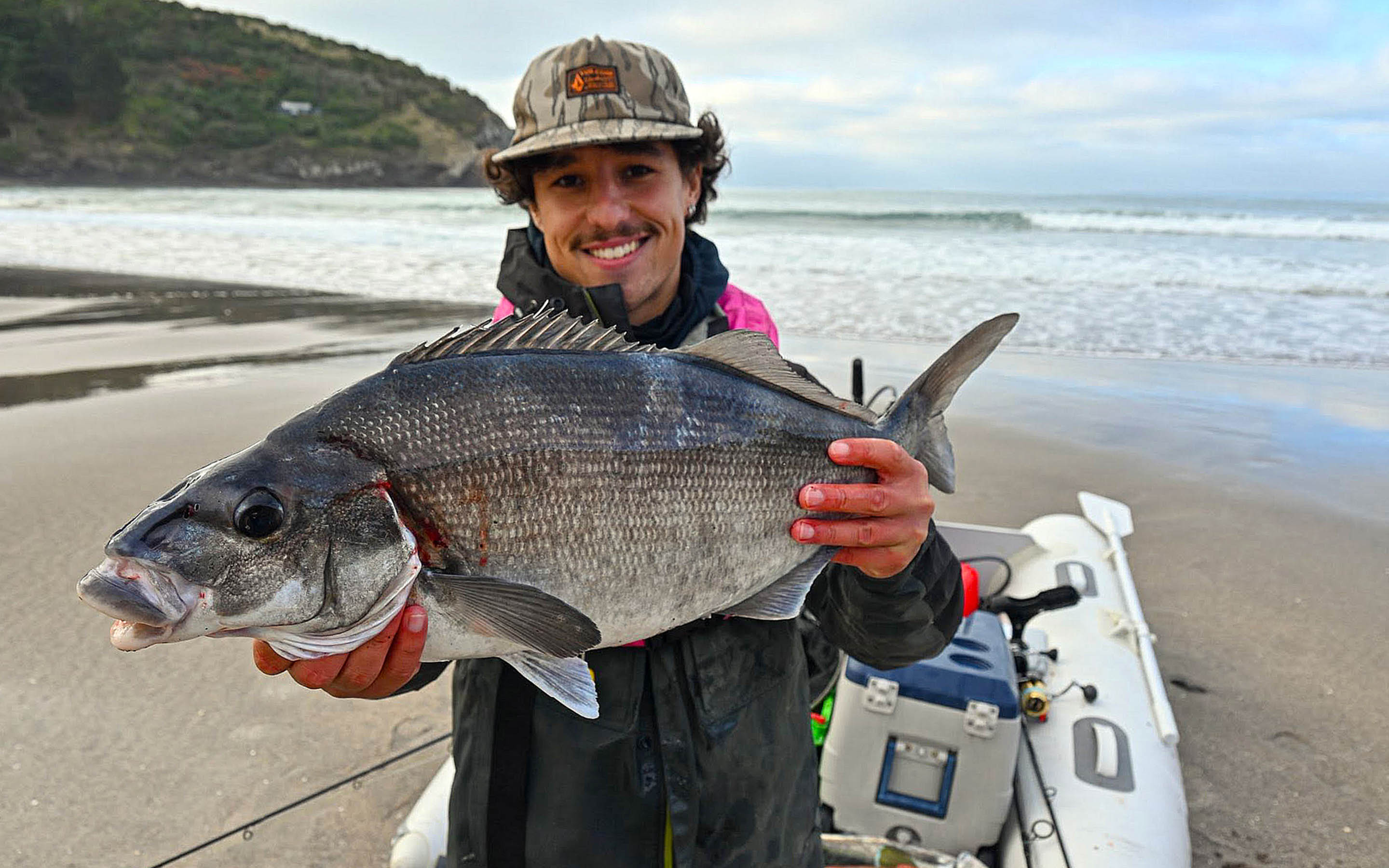
Winter in the South Island can be brutal if you suffer from a fishing addiction, particularly for those of the saltwater persuasion.
Our inshore coastal waters become largely devoid of the seasonal target species we love.
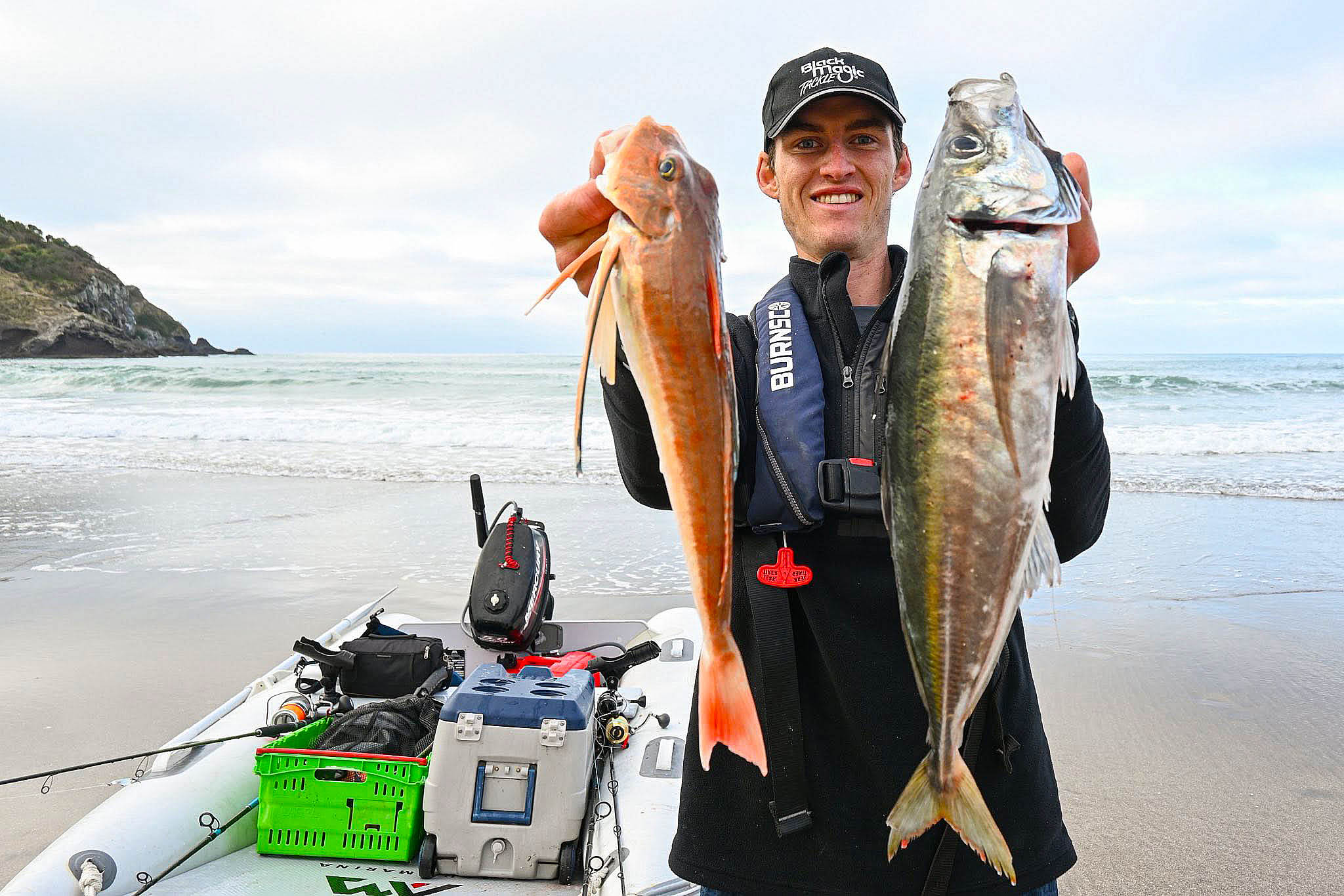
In their place, hordes of undesirables move in. You find your baits completely dominated by spiny dogfish, barracouta, red cod, and sharks. For me, fishing is, and always has been, primarily driven by the gathering of food. When the fishing gets tough, adaptation is crucial for success. You either change your game, or you go home empty-handed.
Winter sharks and dogfish
Pivoting to the Freshwater
Thankfully, we are incredibly lucky down here in the South Island. We have an abundance of freshwater systems right on our doorstep, ranging from massive lakes and rivers to streams and estuaries. While many of these waters close for the winter sports season, a vast number of waterways remain open and accessible to flick a line. In fact, some of my absolute best trout fishing happens over these colder months.
When the saltwater slows down, I head inland to target tasty silver rainbow trout in our large, snow-fed lakes. The plummeting temperatures actually work in our favour by extending the bite times. The fish stay active longer during the day, which often produces some truly exceptional days of fishing.
Keeping it Clean and Ethical on the Ice
Because bringing home a feed is my number one priority on most of my expeditions, keeping it clean and dispatching the fish ethically is deeply important to me. I focus heavily on limiting bycatch; there is no sense in catching, releasing, and potentially damaging fish you do not want to take home.
To avoid the chaos of winter sharks and dogfish, I shift my tactics away from fishy baits and swap to shellfish instead. This tactic massively reduces dogfish catches while still attracting prime table fish. Alternatively, switching to lures is a great option that cuts down bycatch and lets you explore new water, though pesky barracouta can make it a costly exercise if they bite you off.
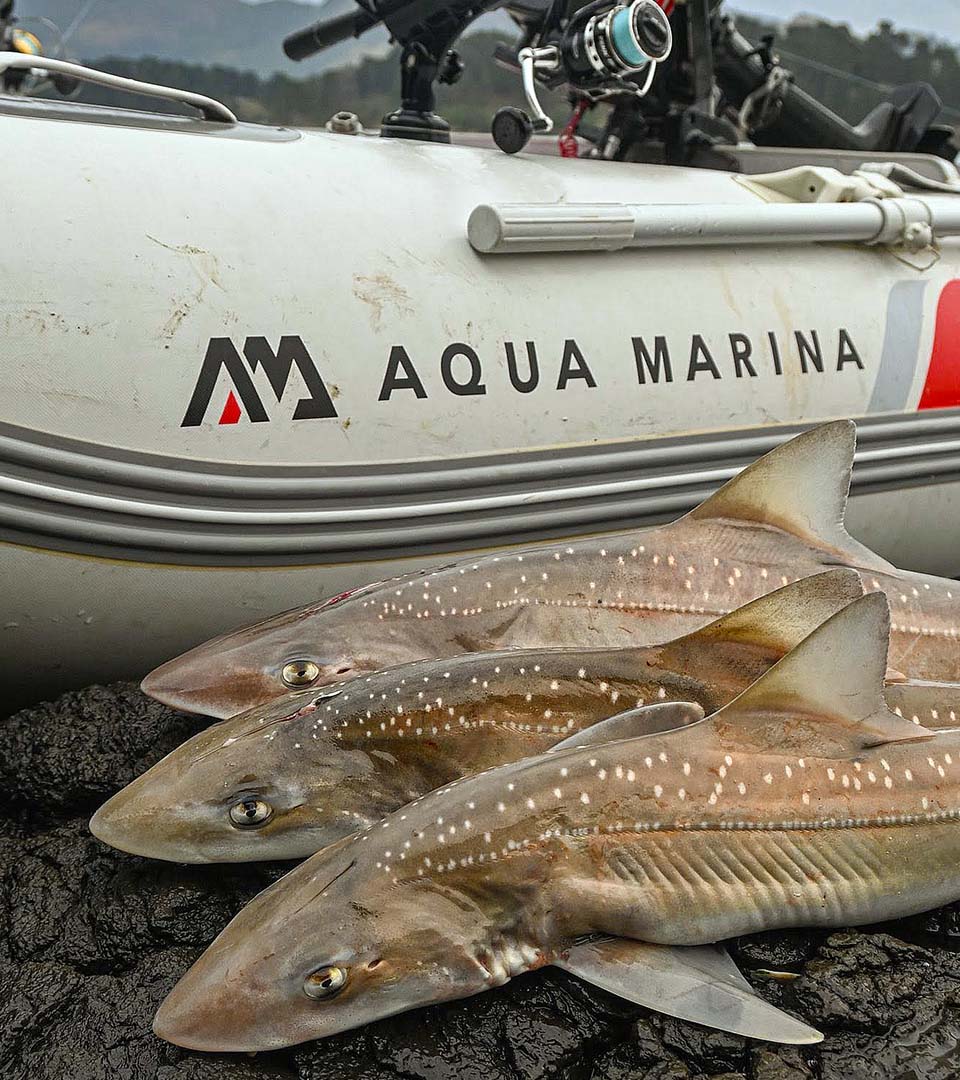
When a keeper hits the deck, the dispatch is fast and clean. I put a knife straight to the brain, followed by a quick cut behind the gill membrane to bleed them out. I used to only bleed oily pelagics like kahawai, but lately, I have started bleeding everything from trout to gurnard. It improves the eating quality across the board and has become a nice ritual for respecting the table harvest. Normally, you would throw these fish straight onto ice, but during the dark depths of winter, there is often no need. After a day in the chilly bin, the catch is already cold as ice anyway. This is especially true on the lakes, where daytime temperatures often never crawl above one or two degrees.
My Winter Tackle Box Staples
My go-to gear does not drastically change with the seasons, but a few specific Black Magic Tackle items are absolute staples in my year-round lineup. KLT Hooks in a size 3/0 are my absolute number one choice. They come in every size I need and have never let me down. Almost all of my fish can be attributed to them, particularly the smaller 3/0 size. Smaller hooks provide a greater number of hook-ups, open up opportunities for different species, and can still land absolute thumpers. In winter, fish are more sluggish on the bite, less inclined to eat large baits, and harder to hook. Shifting to smaller hooks solves these problems perfectly.
For saltwater work, micro flipper jigs are my ultimate favourite lure. Even though they are designed with movement in mind, I have found they fish just as well when left sitting completely still in the rod holder. They are absolute dynamite for pulling up blue cod and gurnard while minimising encounters with pesky spiny dogfish.
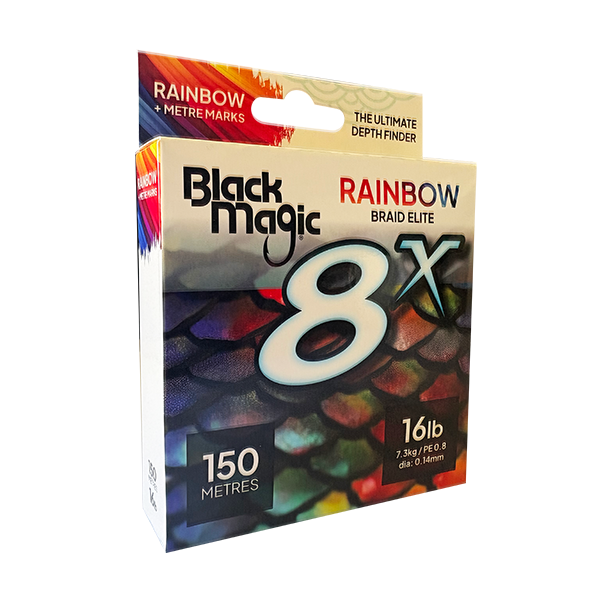
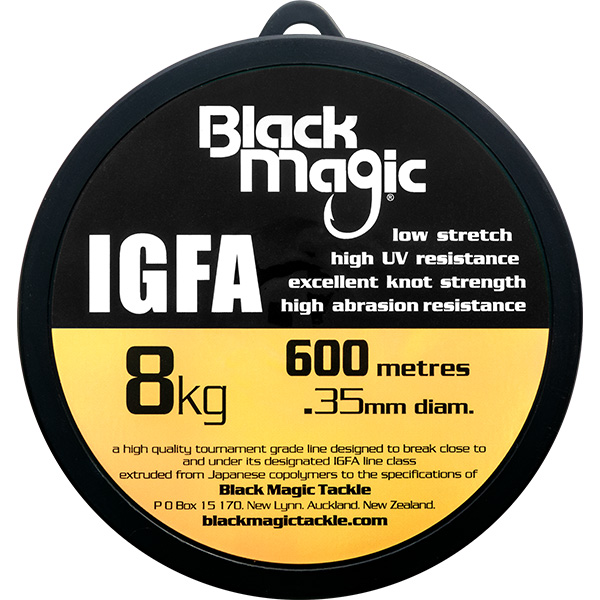
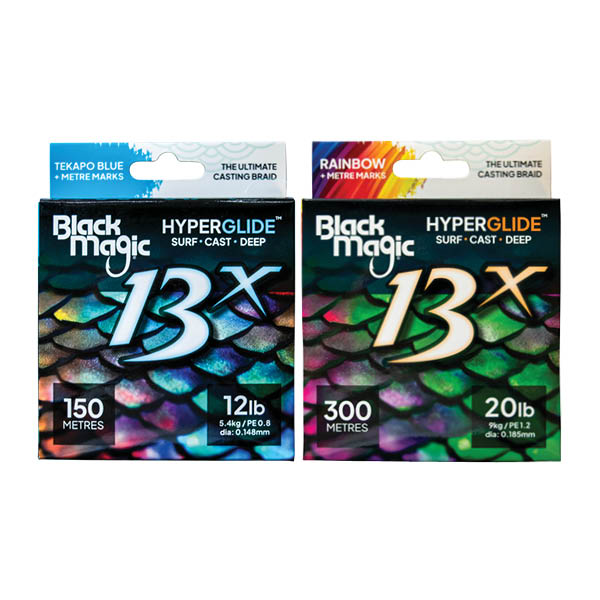
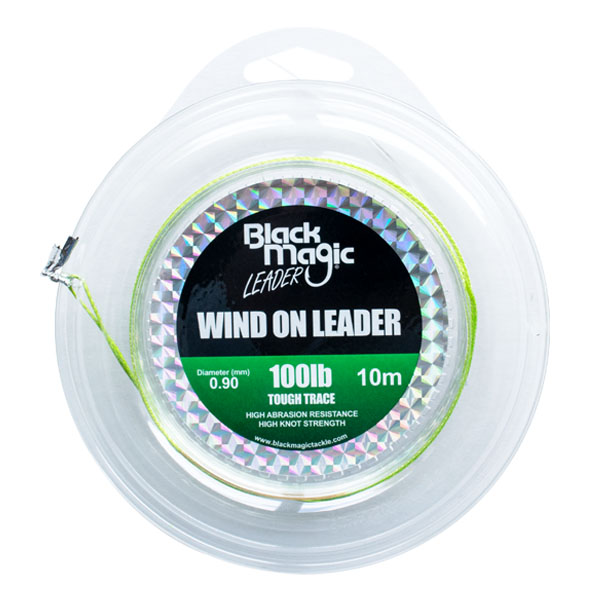
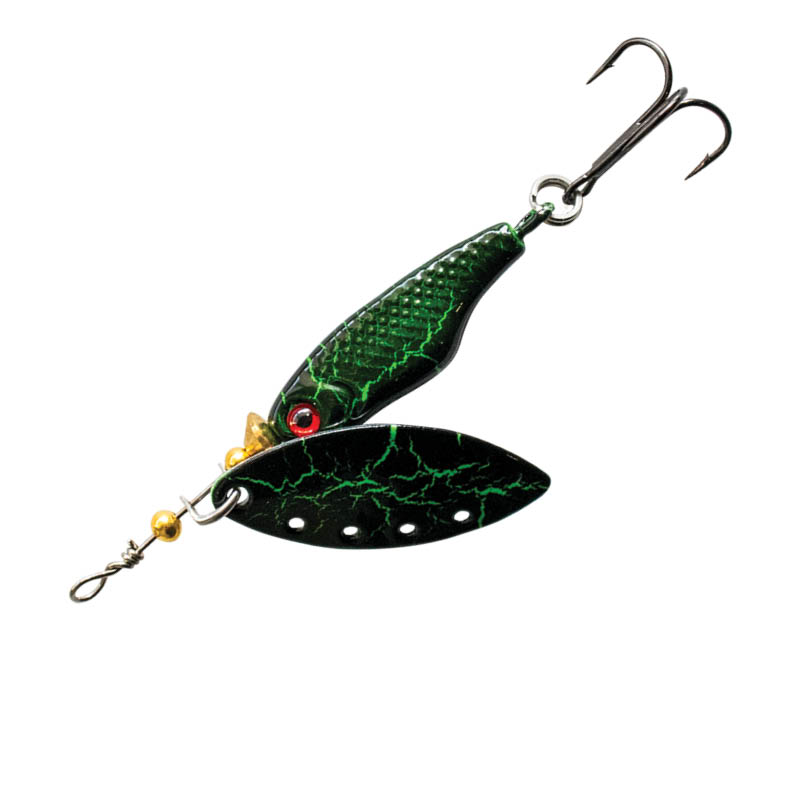
When I am out on the boat chasing freshwater silvers, the Spinmax is one of my top choices for lake trolling. The heavy vibrational effect of the spinning blade gets lake fish incredibly interested and is lethal when pulled behind the boat. My personal favourite colours include the Aztec Orange and the classic Gold Rush. Alongside that, the 7g Candy Floss Enticer lure has accounted for a massive amount of beautiful rainbow trout and landlocked chinook salmon. The combination of its enticing spin and bright colour is incredibly lethal. The rest of my terminal setup—from the mainline and leader to the swivels and rigs—is entirely Black Magic. It is reliable gear that has earned its spotlight on countless trips.
Shifting the Mindset
The most important adjustment you can make in freezing water is mental. Rather than expecting massive fish and heavy catches, I start treating winter fishing as an excuse to simply get out into nature. With limited daylight and harsher weather, it forces you outside when it is easy to stay indoors. You must target what is actually around. There is no sense in using summer techniques for species that have completely vanished. Changing your target can help you become more successful. Finally, you have to go prepared. Having the right gear to protect you from the freezing elements keeps you safe and makes life on the water much more enjoyable.
Extreme Missions: 2.8 Metres Over the Kaikoura Trench
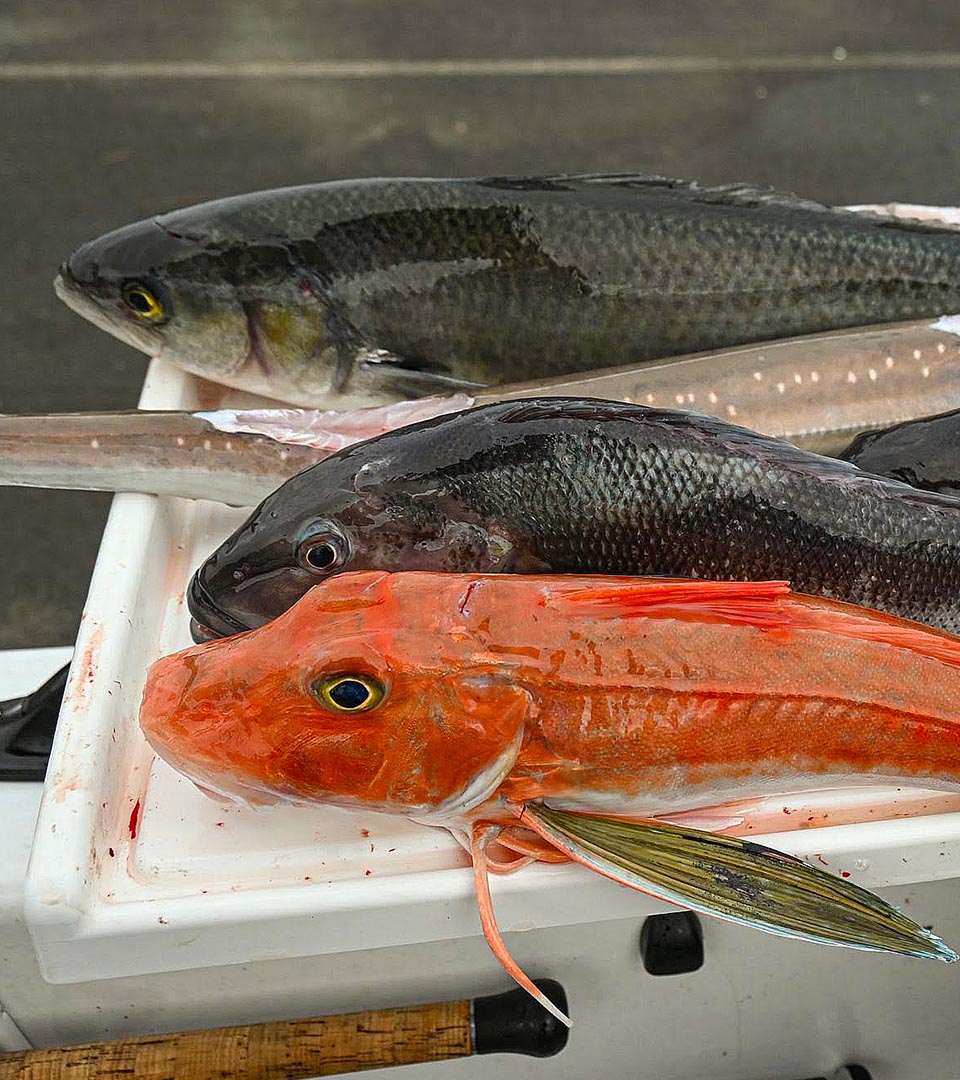
My wildest adventure this winter happened when a mate and I took Sheila—my trusty 2.8-metre inflatable boat—out over the mighty Kaikoura Trench. Because the massive canyon drops off so close to the coast, it is basically begging to be fished. When the weather finally handed us a perfect window, we backed our experience, trusted the little boat, and went for it.
Nerves were running seriously high as we pushed that tiny inflatable through the dumping coastal waves. It is an eerily unsettling feeling knowing that just a few feet below your boots is hundreds of metres of black water, with potentially anything lurking in the depths. This was our second trip off the coast here, but our first for winter.
We ended up having an absolute cracker of a day. We dropped jigs and baits into depths ranging from 25 metres all the way down to 300 metres and caught a huge variety of species. We successfully ticked off the main goal, bringing home a beautiful hapuka pup alongside some incredibly fat blue cod. The weather itself wasn't overly wild outside of some chop on the steam home, but the sheer context of doing a deepwater trench drop on a student budget made it a trip for the absolute history books.
The Value of a Trusted Mate
Having a reliable mate beside you on these freezing winter expeditions is essential. When I get on the water, I can become completely captivated by the fishing. I will totally forget about basic bodily needs like eating, drinking water, or putting on sunscreen. Having a trusted friend to keep you in check, remind you of the basics, bounce ideas off, and share a laugh can be the exact difference between a long day and an excellent one.
At the same time, winter is not a merciful season. You have to back yourself and trust your own gut feelings and experience. It takes very little for things to go sideways in the cold, and keeping your wits about you is vital. Above all else, do not fall in. The water temperature out there is lethal, making caution absolutely essential.
Top Winter Spots and My Best Advice
My absolute favourite spot in the country, regardless of the season, is the enigmatic Kaikoura. This beautiful coastal town has everything on offer if you are willing to put in the work.
If you are brave enough to throw on a thick wetsuit and dive the shallow coastal reefs, you can still find butterfish and crayfish in the winter chill. For land-based fishos, the shingle beaches and rocky ledges offer fair shots at runs of large kahawai, lurking rig, moki, or something weird from the deep. If you have a boat, the inner reefs hold steady numbers of blue cod, sea perch, and tarakihi year-round, while the deep drops consistently produce prime deepwater fishing.
A lot of hunters and fishos hang up the rods and park up the rifles once the winter frost sets in for the long haul. That might be the sensible choice to avoid uncomfortable conditions, but you miss out on the absolute gems of moments that can only be found when you grit your teeth and brave the freeze.
The deepwater fishing stays remarkably consistent, and those glassy, calm winter days mean you can target heavy hitters like bluenose and hapuka much more effectively. If you are at the top of the South Island, the winter brings in schools of gurnard—the flying carrots of the sea—which can be caught in clean numbers if you can navigate past the spiny dogs.
My single best piece of advice is simple: just give it a crack. Because the fishing is inherently tougher, you have absolutely nothing to lose by trying a brand-new technique or exploring a spot you have been eyeing up all year. Worst case scenario, you catch nothing. But a bad day on the water beats a good day sitting on the couch watching videos every single time. Get out there!
About the Author
Sam Boothroyd is an accomplished New Zealand-based outdoorsman, writer, and Black Magic Tackle Pro Team member. Operating out of the South Island, his adventures span from coastal surfcasting to deep alpine winter expeditions, sharing his knowledge of hunting, fishing, and backcountry survival across multiple platforms.

.jpg)

.jpg)