The Final Frontier By Brent Condon


Fishing and Exploring the Chathams
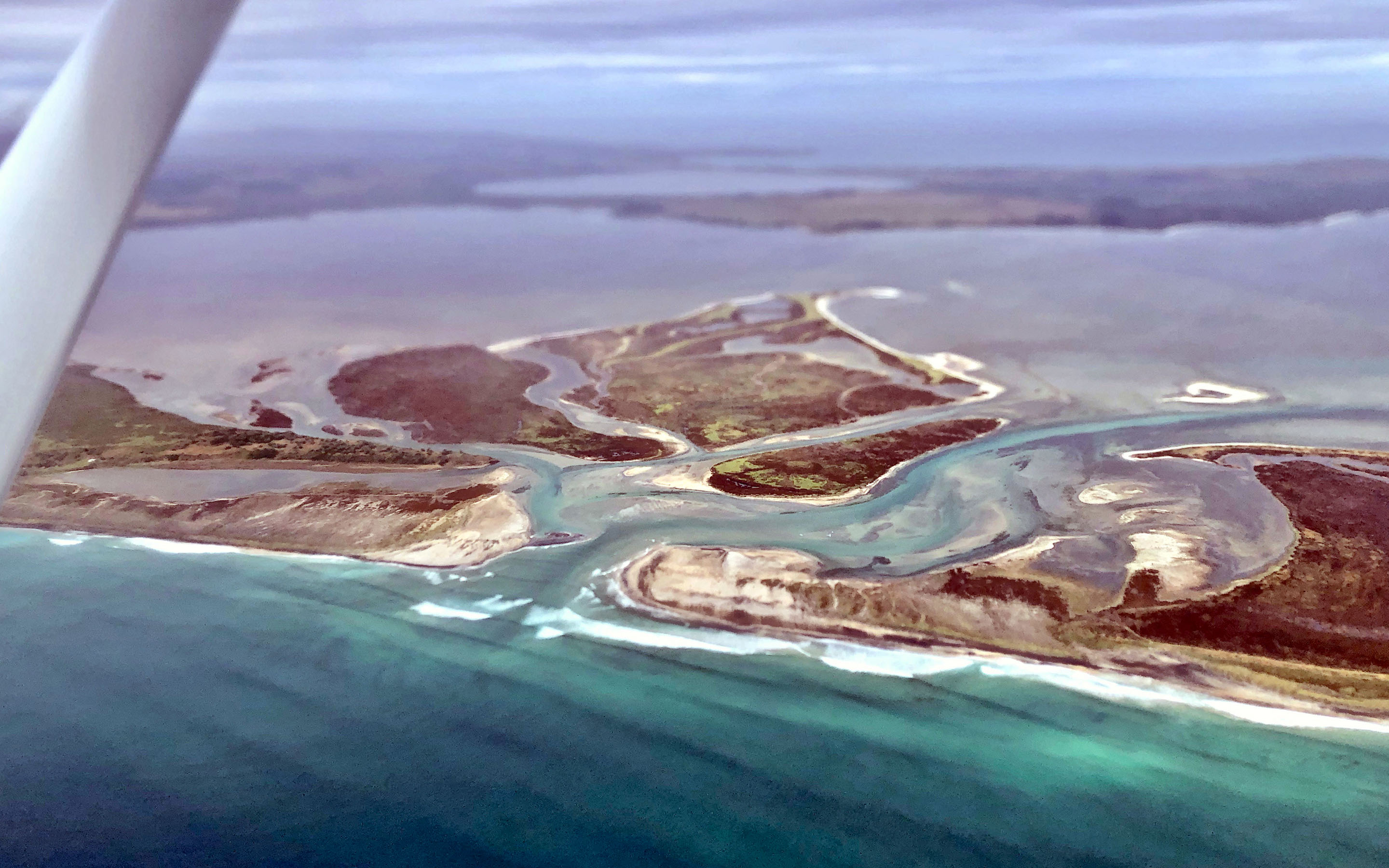
I always tell people the Chatham Islands are like Stewart Island on steroids: bigger creatures, wilder coastline and marine life that feels almost Jurassic. Walk the shoreline and you find yourself suspended between two times, the present with its screeching gulls, quirky inlets and fishing boats, and a deeper, weather-scoured past of sealers, Moriori and whalers. There’s an atmosphere here you can’t quite put into words: a hush that’s broken by the wind, the slap of a swell on basalt and the distant caw of shag colonies. What makes it special is the mix: unique wildlife, haunting scenery and layered human histories that still seem to breathe in the soil and salt air.
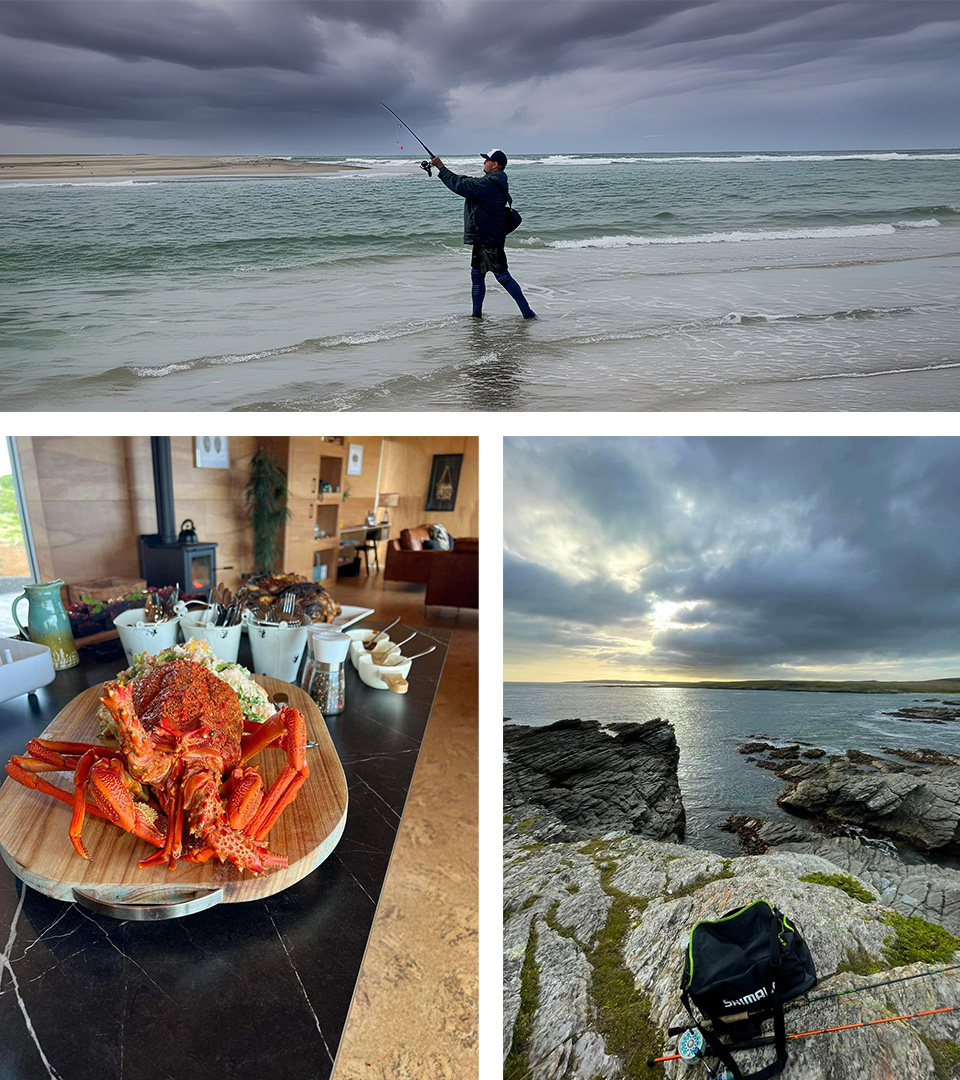
I’d visited before, but this time I decided to go on my own timetable and treat the islands as the last frontier of outdoor fishing adventures beyond the more well-known crayfish and paua fisheries. I stayed with long-lost friends John and Bridget Preece at the incredible Kōpī Bush Retreat, tucked into foothills that are hunting and fishing nirvana. John is a hard, wild spirit, a perfect mix of Moriori, Ngāti Mutunga and Welsh, and over the last few years we’ve become good mates. Through them, I learned how the Preece name threaded through my dad’s memories of friends from the Chathams.
I brought an inflatable kayak with me because I wanted to slip past the blasted rocks and the forests of bull kelp, to escape the swells and to see the coastline the way only a small boat can. There’s something irreverent about paddling through a kelp highway, waving ribbons that shelter tiny and gigantic worlds. The water here has a clarity and a coldness that bites your fingers through neoprene. As you push off a black rock platform and glide into the open, the land recedes into a living map of coves, cliffs and teeth-like reefs. The horizon seems to lurch away and suddenly you’re the only moving thing for miles.
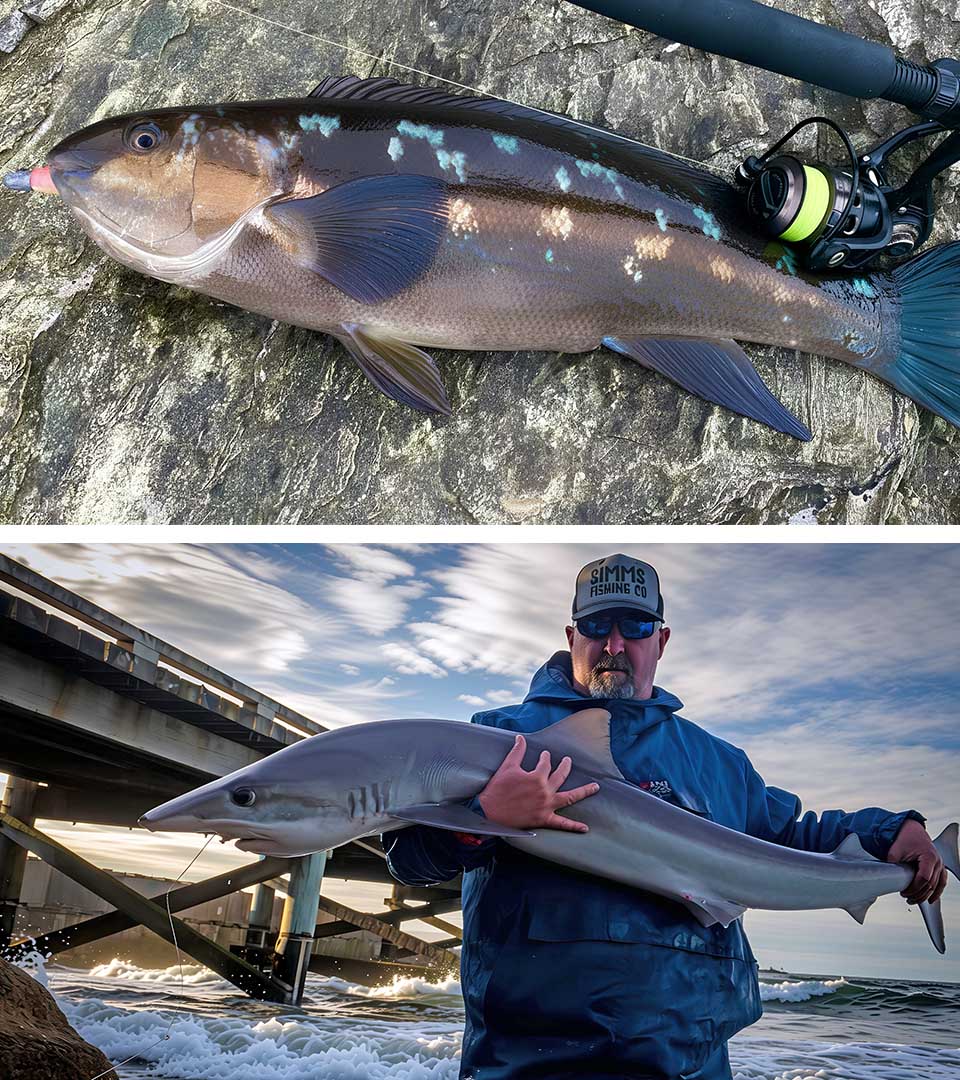
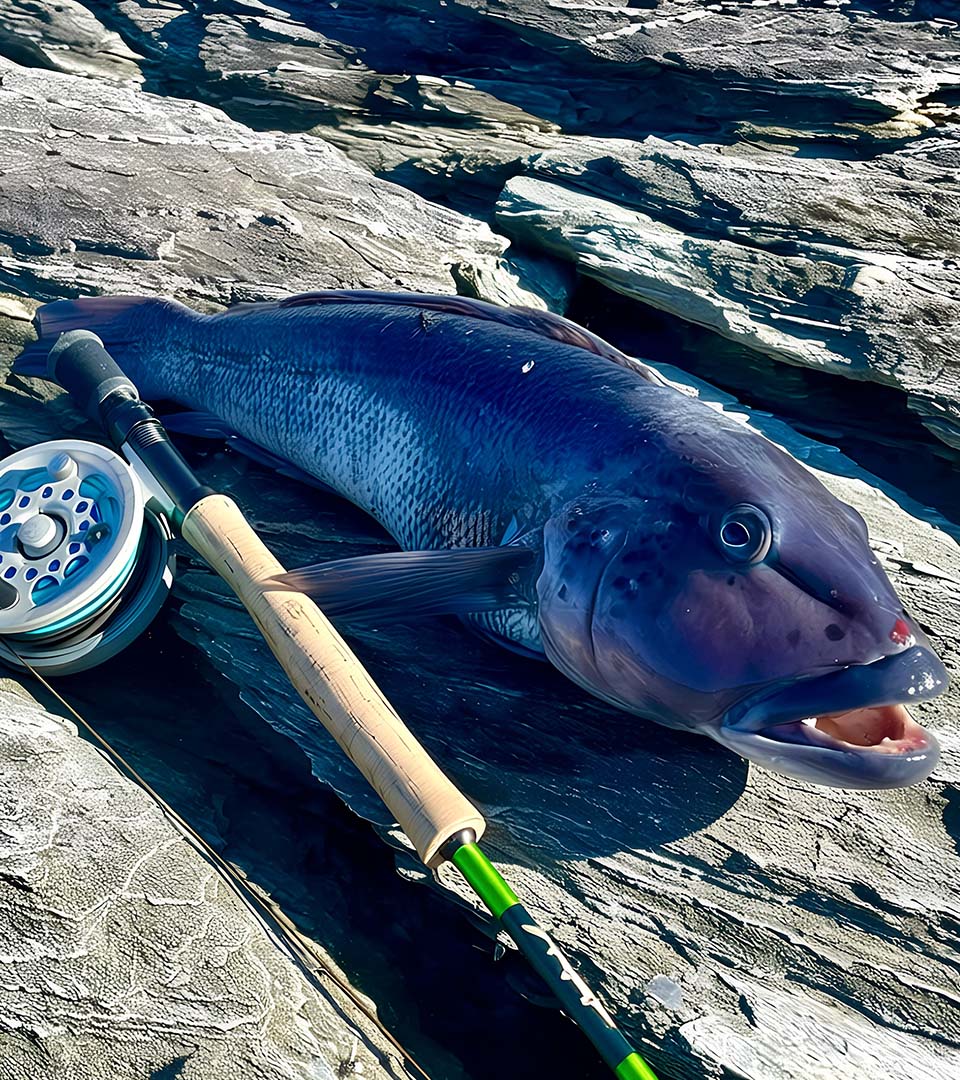
Fishing in the Chathams has an edge to it that the mainland rarely offers. You can stalk blue cod among boulder-strewn walls or sight-fish for wrasse under kelp canopies; the action is savage and immediate. Catching a behemoth blue cod on a light fly rod is a kind of savage ballet, a feathered fly dangling like an invitation, the abrupt, angry strike, the surge of a fish that feels twice its weight. The coastline gives and takes; you respect it, or, like a greedy cod, it will chew you up.
I met Kaai Silbery, a local “bee whisperer” behind Tarahina Honey, who asked if I planned to take the kayak out that day. When I said yes, she grinned and warned, “Are your kids old enough to look after themselves? To the great white, you’re going to look like lunch!”
The Chathams have a healthy population of large sharks. They love fresh bait. So, I packed heavy gear, nabbed some juicy kahawai heads and went on a mission to the local jetties. Sharks locate fresh bait fast... real fast. You let the spool run on a casting reel, point the rod at the water and wait. The first pull is eerie. All I heard in my head was that cello from the Jaws movie. It tugs, stops, tugs again, then goes berserk. You tighten, strike a Hail Mary, and you’re in.
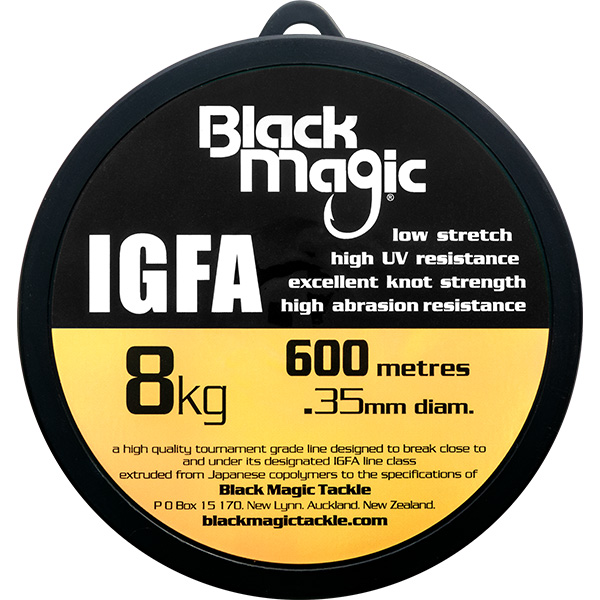
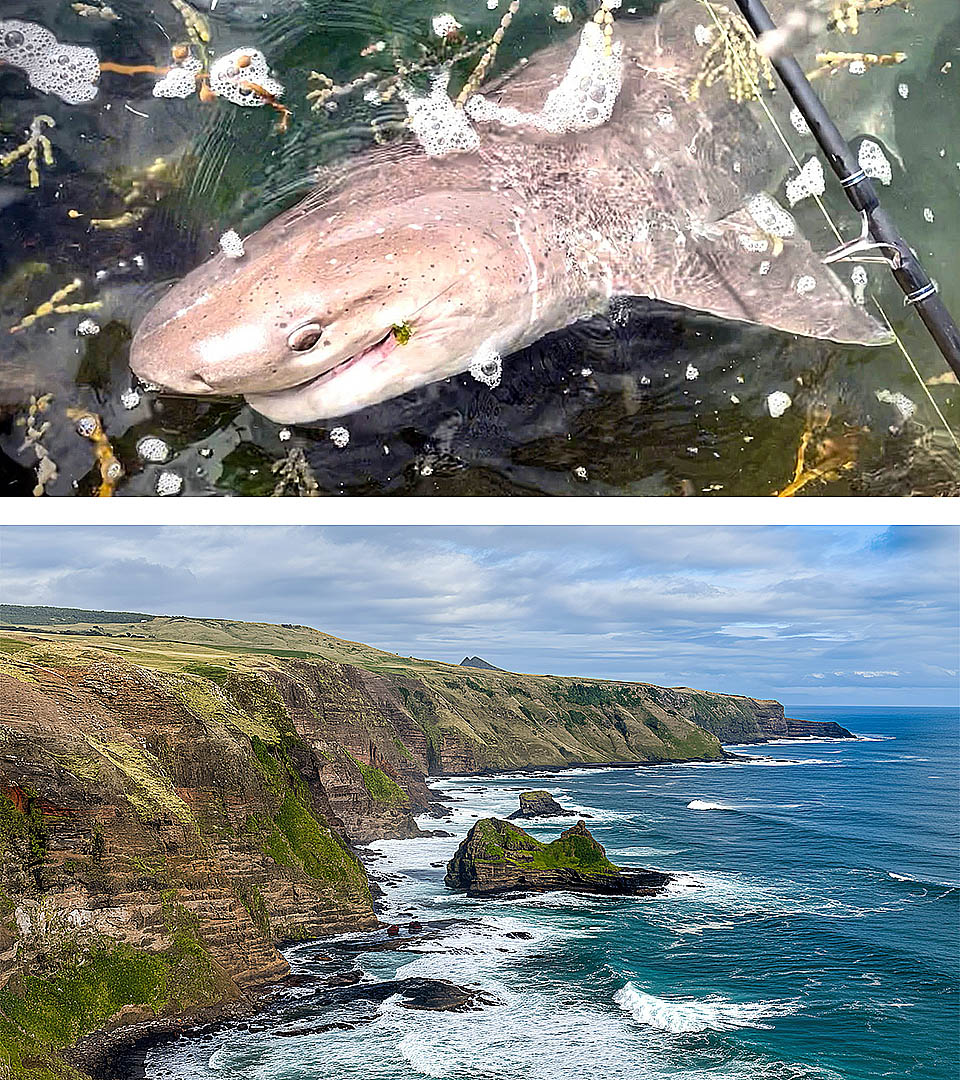
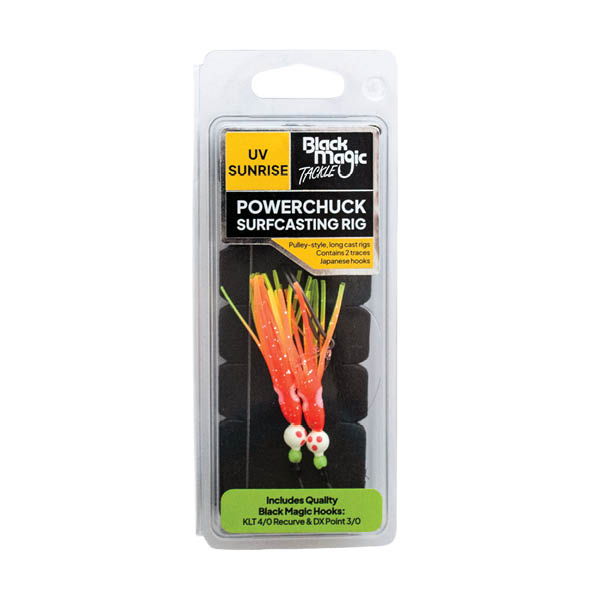
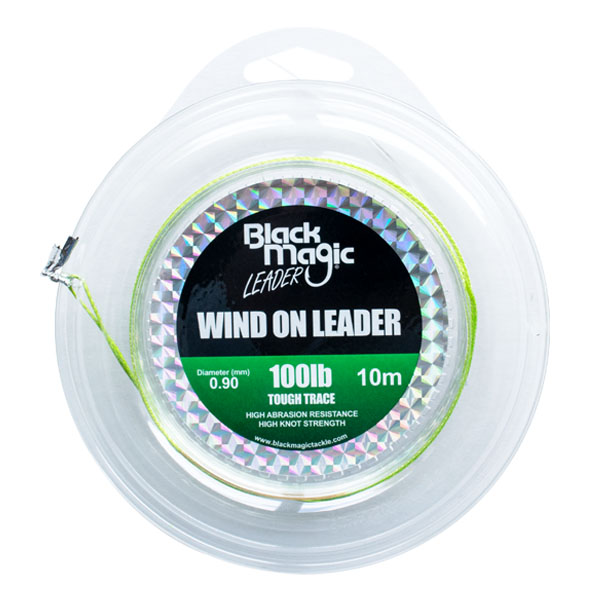
Some of these beasts aren’t small, 12 to 13-foot sevengill sharks with chainsaw rows of teeth. I run Black Magic Tackle 100lb traces and shark rigs. These are ancient predators, with volcanic eyes like something spawned from the deep, and they fight like hell. Growing up mucking about in the Manukau Harbour, with bragging rights over a 2kg kahawai, I still remember the jolt of taking a full-sized shark off a Chatham wharf. The jetty rat in me was blown away. Those eyes, primal, blood-red with an orange fleck like molten lava, stare back and shrink you. Standing nose-to-nose with a species millions of years old makes you feel very small.
The archipelago offers more adrenaline beyond shark duels: rock-hopping, exploring rugged, desolate shores and kelp forests that look like New Zealand’s coastline 500 years ago. Sharp rocks give way to dense bull kelp thick with life, southern striped wrasse, blue cod, kahawai and blue moki. I stalk cod and wrasse on saltwater fly and soft baits, enjoying the explosive action of fish up to eight pounds on light tackle.
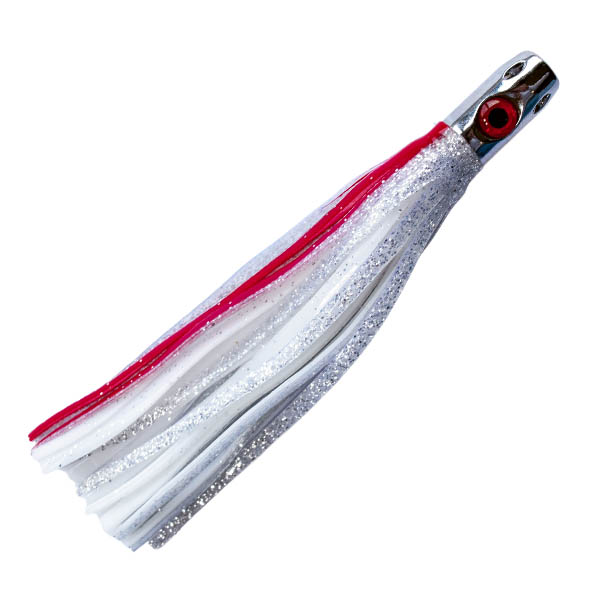
A quirky bycatch is the vegetarian butterfish, which will take an olive grub softbait if you let it flutter near the kelp. And you can’t ignore the marauding barracuda, big, opportunistic, with a vampiric grin, eager to smash a stray softbait or surface popper. Fishing here often feels like stepping back a century or two: nonstop sport, sight-fishing and rock-hopping in a place that still demands permission in spots and rewards you for the effort. Battling the scaley locals on light gear is addictive. The Chathams really are an exciting frontier for sport angling.
That week contained only snippets of a larger adventure: hunting, birdwatching and staring at the stars over the Southern Ocean. I haven’t even started on the untapped kingfish fishery some well-known fishos call “the best untapped yellowtail fishery in the Southern Pacific”, or the yarns of crayboat crews seeing hapuka thrashing on the surface alongside kahawai and kings during workups.
There’s always more marine folklore to savour on a wild ocean frontier and excuses for many to return. If you love hunting and fishing and think everything’s been discovered, a trip to the Chathams will prove you wrong. It really is New Zealand’s last frontier, maybe the South Pacific’s, and you should go while the going is still this good.
About the Author:
Brent Condon is a Marketing Manager at Black Magic Tackle, a well-travelled angler, and an ocean-inspired artist who has spent the last 30 years chasing and stalking fish species across the globe. Blending a lifelong passion for the marine environment with a background in graphic design and advertising, he serves as the digital storyteller for the brand while creating distinct, narrative-focused fine art that merges real fish anatomy with imaginative, anthropomorphic details.



.jpg)

.jpg)