The Fisho’s Guide to Beating the Crunch:


.jpg)
Let’s not beat around the bush: the news is hideous right now. Every time you turn on the telly or scroll through your feed, it’s a barrage of "weather bombs," global conflicts, interest rate hikes, and inflation figures that make your eyes water. We’re surrounded by "experts" (let’s face it, we’re all experts at the local pub) who claim they know how to fix the world, but the reality for the average Kiwi is simpler: everything is getting more expensive, and the "fun money" is drying up.
It’s enough to make you want to go... fishing!
The "Pimple" Factor: Why Gear is Getting Dearer
It’s not just the price at the pump. New Zealand is often seen by overseas manufacturers as the "pimple at the bottom of the earth." Our orders for rods, reels, and lures are tiny compared to the massive markets in Europe, Asia, and America. The cost of shipping goods to our isolated islands is astronomical, so it’s easy for a manufacturer to say "sorry, out of stock" and sell their gear closer to home.
When the gear does arrive, you can bet your bottom dollar it comes with a hefty price tag. We’re seeing price increases across the board, in every industry, and fishing tackle is no exception. This creates a real dilemma. To simply say, "I can’t afford to fish anymore," feels defeatist. I understand how people reach that conclusion, but before you put the boat on TradeMe or let your expensive reels seize up in the garage, keep reading. There are ways to manage the bills and keep your passion—and your freezer—alive!
1. Mindset: Wellness vs. The Food Hunter
I’ll reference myself here because I’m just like you—mad keen, love my seafood, and I don't have an oversupply of coin. Whether you’re out twice a week or once a month, those costs add up when other bills are biting your backside.
First, look at your Mindset.
For some, fishing is about "wellness." It’s about the wide-open spaces and freeing the mind. If that’s you, I have good news: you don't need the high-end equipment. Your goal is the experience, not the kilos. Your spend can be minimal because the "feed" is a bonus. Time on the water with family and friends is the priority.
However, if you’re a Food Hunter, you’ve got a different set of problems. We go armed to the teeth for every contingency. Petrol, bait, burley, lures, rods, reels, safety equipment... the list is long. To survive the crunch, we need to change how we think about the "spend."
2. The Planning Revolution: No More "Winging It"
Planning is often overlooked because we tend to just "go when the weather lets us." Those days of aimless wandering are ending, especially regarding fuel.
- Engine Tech: If you’re still running a thirsty old two-stroke, it’s time to crunch the numbers on a four-stroke. The fuel savings alone will surprise you and could be the difference between fishing once a month or once a week.
- The Fridge/Calendar Combo: I now look at my calendar and my fridge simultaneously. I plan my fishing trips a month out and shop for groceries accordingly. If I’m working near a coast, I don’t take the boat; I take the surfcasting gear.
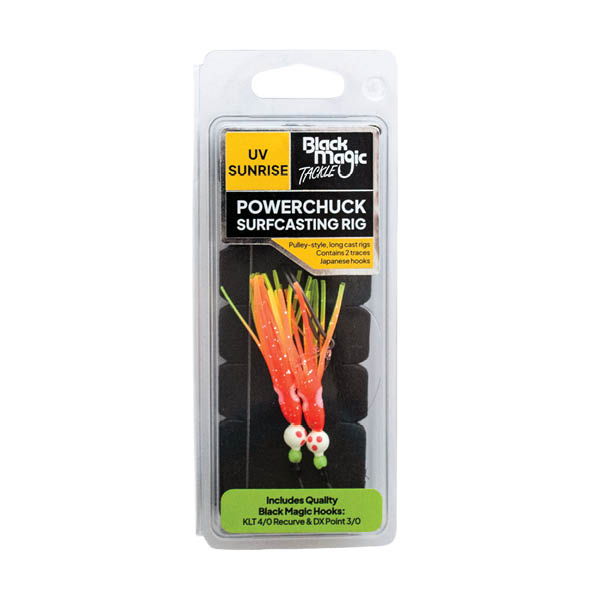
- The Land-Based Pivot: Surfcasting has become a massive passion of mine. It removes the massive overheads of boat maintenance and marine fuel. Planning a month out allows you to identify "land-based" windows where you can secure a feed for the price of a bag of salt ice and a few litres of petrol.
.jpg)
3. Seasonality: Don't Fight the Ocean
The seasons are always shifting, and with them, the "seafood basket" changes. As we move out of summer and into the cooler months, water temperatures inshore—especially around Auckland—start to drop. Fish habits change. Migration occurs.
Having a basic understanding of what’s happening in your local patch will save you a fortune. Why waste money on expensive topwater lures for Kingfish if they’ve moved deep? Why spend a fortune on "summer" baits when the snapper are switching to their winter patterns? Understanding the "when and where" stops you from buying unnecessary equipment that will just sit in your tackle box.
4. Care of the Catch: Maximizing the Value
If you’re like me, you don’t mind freezing fish for the short term. The days of going out just to catch "three or four for tonight" might be a luxury we can’t afford if the fuel bill was $150.
If the limit is 7 or 10, and you can catch them, do so. The "price per snapper" drops significantly when you bring home a full limit. The experts set these limits based on sustainability—don’t feel guilty for taking your legal share to feed the family. Just never go over.
The Golden Rules of Processing:
- Bleed and Chill: This is non-negotiable. If you want the fish to taste as good in three months as it does today, you must bleed them and get them on ice immediately.
- Same-Day Processing: I process my fish the same day I catch them. If you wait until the next day, the meat "sets" and doesn't freeze as well. If I’m freezing it, I often pre-crumb it. It lasts much longer and makes for an easy meal later.
- The Smoker is a Money-Saver: Smoking fish dramatically improves its freezer life, especially if you vacuum pack it. I’ve had smoked Kingfish from January that still eats beautifully in May. It’s perfect for salads, pies, or just on crackers. It turns a large catch into weeks of nutritious meals.
5. Fuel: The Four Pillars of Saving
If you’re a boat angler, fuel is your biggest enemy. Here is how you defeat it:
- The Social Split: Take an extra person. It’s fair and reasonable to split the costs. Just make sure everyone knows the "expected input" before you leave the ramp to avoid any awkwardness.
- Fish Your Feet First: Stop chasing birds into the middle of the Hauraki Gulf. Inshore fishing around Auckland all year round is incredibly productive. Why burn $100 in fuel to find a work-up when there are snapper sitting in the channel 2km from the ramp?
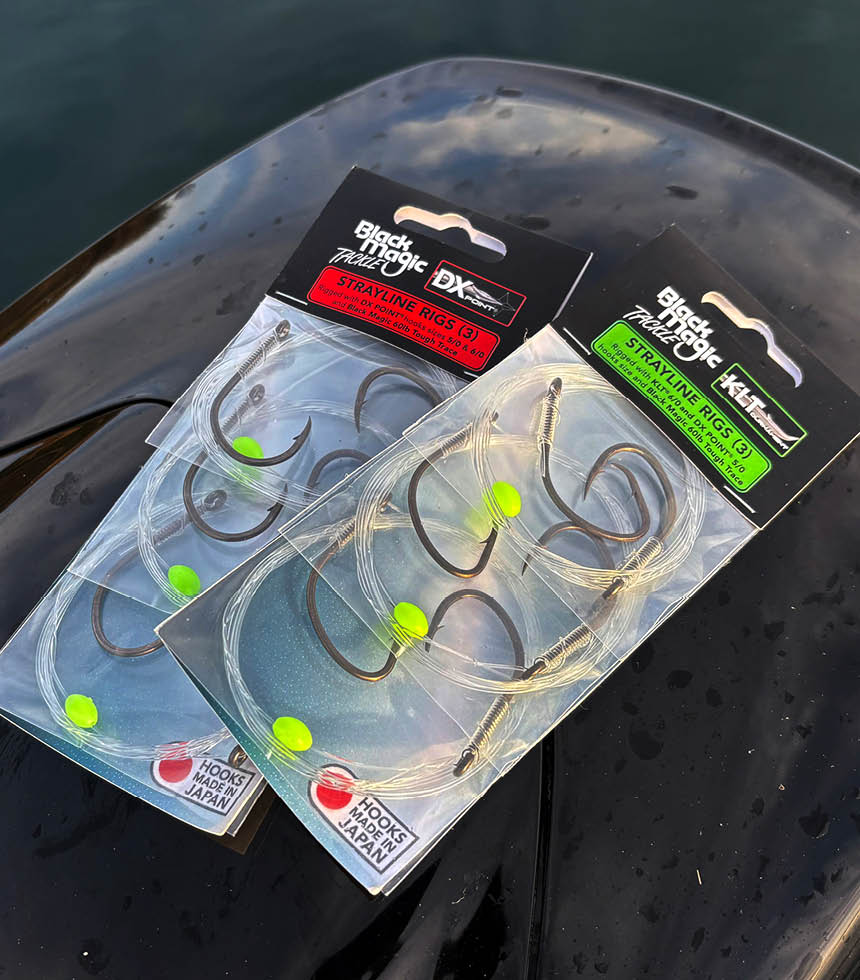
- Bait vs. Lures (The Hidden Cost): Lure fishing is active and "fun," but it usually requires the motor to be running for drifts or chasing work-ups. Bait fishing—especially straylining—is done at anchor. You turn the motor off. This single change can cut your fuel bill in half.
- Downsize the Rig: I went from an 8.5m boat to a 4.3m tinny. I now use a 25L tote tank that lasts me two trips. My maintenance costs are a fraction of what they were, and my fishing success hasn't dropped an inch. In fact, being in a smaller boat often forces you to "figure out" the local spots rather than just driving further away.
6. Bait vs. Lures: The Economics of the Hook
Lures are expensive, and the specialized rods and reels needed to fish them properly add up to a "pretty penny." Yes, a single lure can catch many fish but do the math.
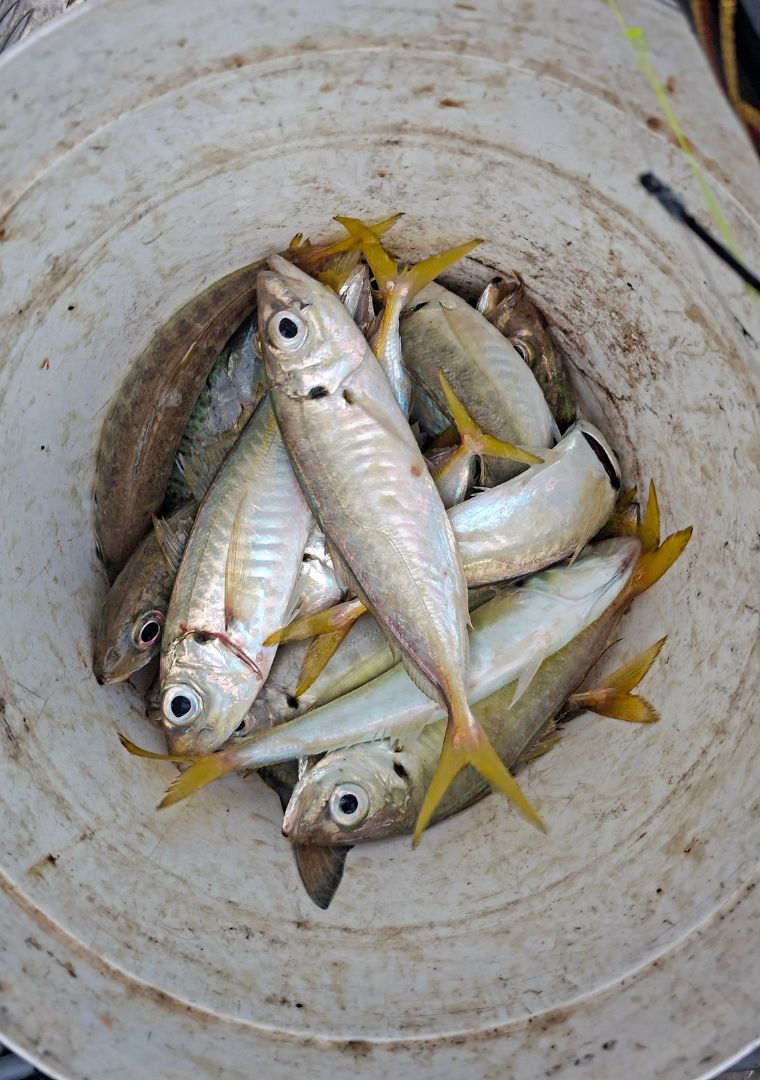
For $5, I can buy a set of bait flies and catch all the fresh bait I need. Freshly caught Kahawai, Jack Macs, or mullet are "dynamite" for big snapper. You can anchor up, throw out a fresh bait, and have a feed in 20 minutes. You don't need expensive lures when you have what the fish are eating for free.
7. Targeting the "Big Models"
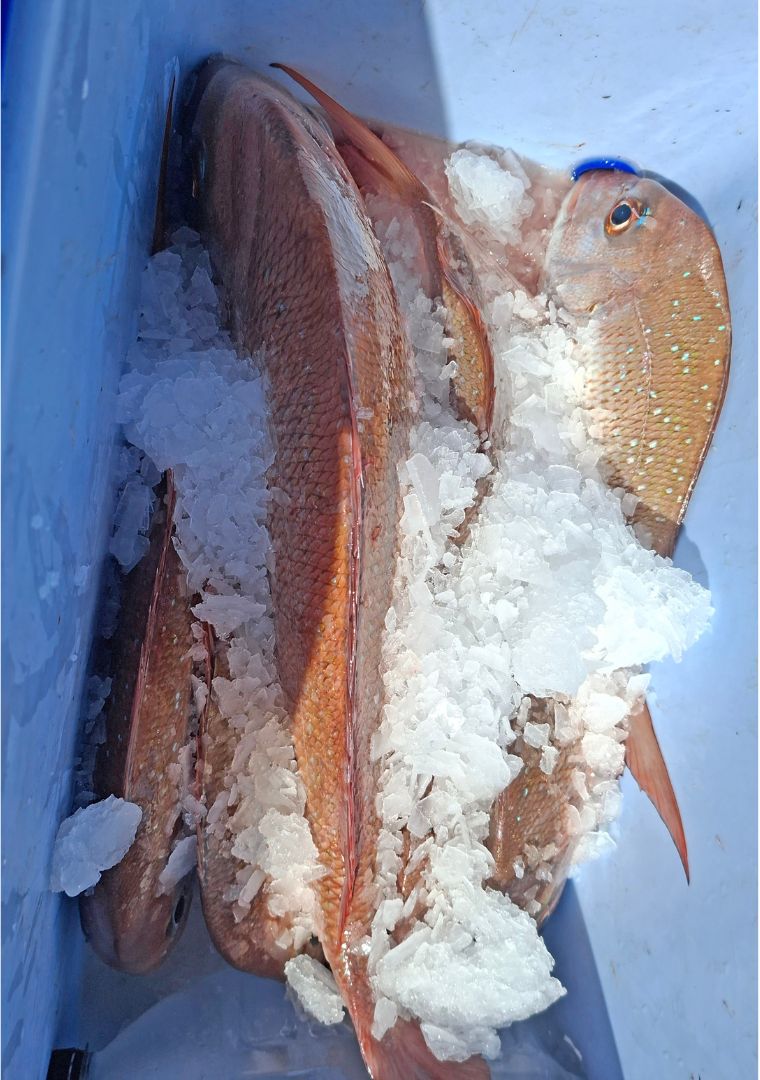
Chasing bigger fish doesn't require a bigger budget. A 1-2kg snapper is a great eater, but if you can land a "big model," you’re maximizing the "price per kilo" of your trip.
The easiest way to target big fish is Bait Selection. Store-bought bait is convenient, but quality varies. Freshly caught bait—squid, mullet, trevally—is superior. If you upsize your bait, you upsize your fish. Remember, big snapper are opportunistic. They will take a large bait if it’s presented well in their "zone."
In the Autumn months, snapper are in feeding mode before the lethargic winter. A 7-inch softbait or a large fresh fillet moving past them is a high-value target. In two months, they might be too lazy to chase it, so now is the time to go big.
8. The Auckland Advantage: Fishing Your Feet
We Aucklanders are lucky. We have the Hauraki Gulf—a world-class fishery right on our doorstep. We have islands that provide shelter, reef systems that hold life, and tidal flows that act as fish highways.
You don't need to listen to the talk about Horn Rock or Great Barrier. Those distances aren't required for a feed. Charter boats go there because they need room for six people to fish, or they need depth for specific lures. You don't. Some of the best fishing is in 3 to 15 meters of water, close to home.
9. Top Tips for the Budget Inshore Fisho:
- Find the Current: Fish love moving water. If there’s no flow, move on.
- Wind and Tide: When straylining, you want them running the same way. Use your weather apps to plan your destination so you aren't fighting the elements.
- Eyes Peeled: Look for splashing or bird activity, even in close.
- The Underrated Kahawai: Don't complain when you catch one. They are world-class bait, incredible burley, and fantastic in the smoker. They are the budget fisho’s best friend.
- Softbaiting: It’s arguably the best lure option for Auckland. It’s active, effective, and relatively cheap if you don't lose too many!
- Straylining: The cheapest way to secure a feed. Find some structure, throw some bait, and wait.
- Flasher Rigs: The "hybrid" experience. You get the flash of a lure with the scent of bait. Great for water over 20m.
- Etiquette: Give other boaties space. Don't be "that guy" who muscles in.
- Landing Net: Don't lose a "big model" at the boat because you didn't want to carry a net.
- Ice, Ice, Baby: Always have enough ice. It preserves the quality of your catch, ensuring nothing goes to waste.
Summary
The world is a bit crazy, and the "experts" are loud, but fishing remains our greatest escape. You don’t have to quit; you just must adapt. By planning better, fishing local, downsizing where possible, and caring for your catch, you can beat the cost-of-living crisis.

.jpg)

.jpg)