Mulloway 101: Cracking the Code


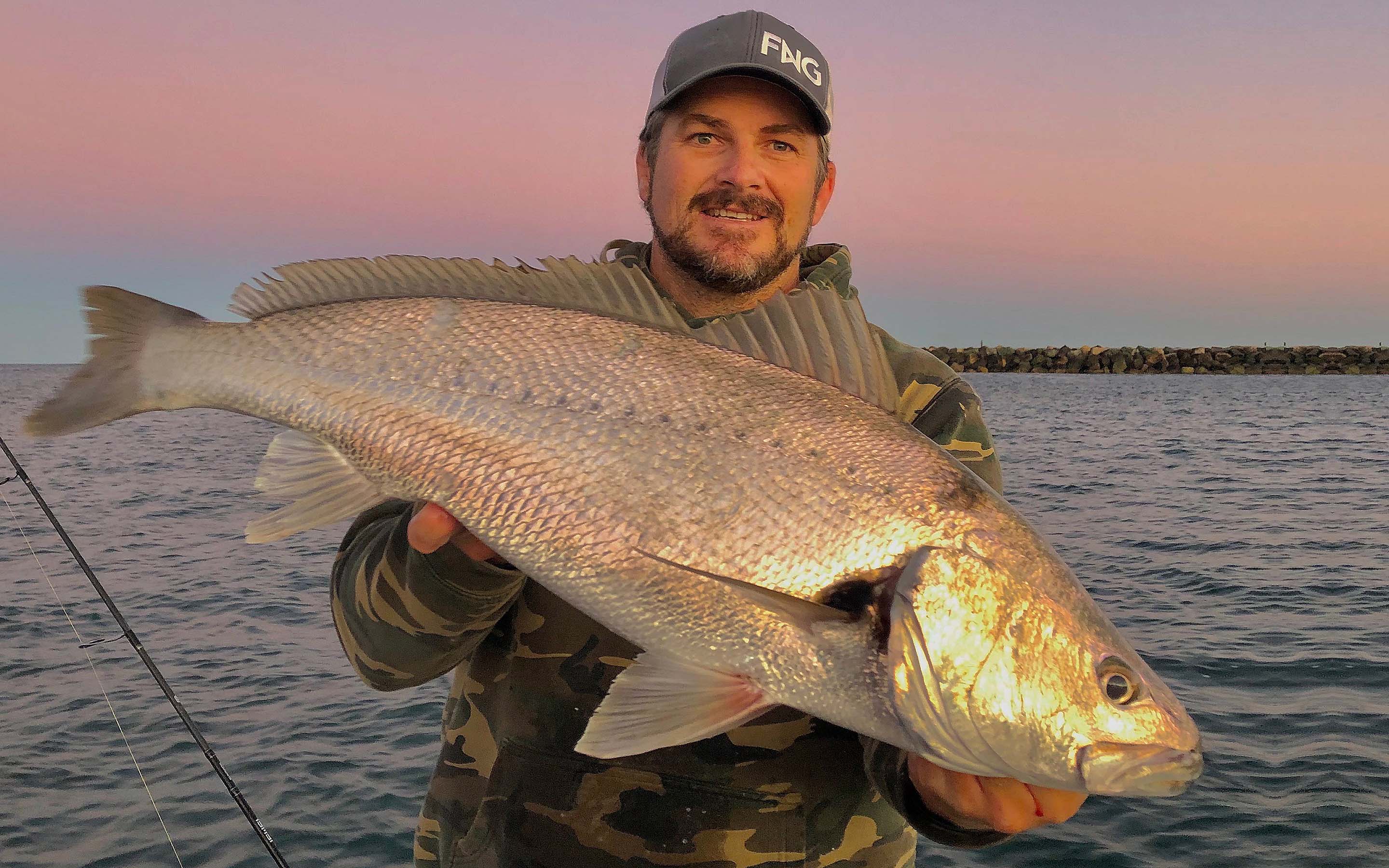
Now is prime time to target one of Australia's most legendary estuary phantoms. As the winter cooling triggers massive baitfish migrations along the coast, trophy-sized silver ghosts are moving directly into striking range.
Cracking the Code
To help you crack the code, Black Magic Tackle ambassador Leigh Holtsbaum shares his proven blueprint for hunting these powerful sportfish. Known for their brilliant silver flanks, hard-fighting nature, and exceptional table quality, Jewfish require a highly technical approach whether you are casting from the rocks or positioning a vessel in the current.
Location and Timing: Reading the Water. Success starts with identifying the ultimate ambush zones. Mulloway love structure that holds bait, and break walls act as giant, artificial bait magnets. The absolute prime zone is the very end of the rock wall where the river system empties into the ocean, especially where a deep hole and an eddy sit in close proximity.
Shore vs. Boat: Two Points of View. How you approach the break wall depends entirely on your vantage point. Both styles offer equal opportunity to land a beast, but your positioning tactics must change:
The Land-Based Angler: Fishing from the rocks requires stealth and safety. Walk the wall to visually spot tidal eddies—those swirling sections of water on the surface where the current deflects off the rocks. Position yourself up current of a deep hole or eddy. You want to cast your bait or lure out and let the natural flow of the water swing your offering directly into the stagnant pocket where Mulloway school up and wait in ambush.
The Boat-Based Angler: When targeting the wall from a vessel, your depth sounder is your greatest weapon. Scan the edges to locate the exact drop-offs and deep holes running parallel to the granite structure. Use an electric motor or anchor well wide of the wall to avoid spooking the school. Hold your boat just outside the current line and present your baits back toward the rock face, letting them drop naturally down the face of the underwater ledge.
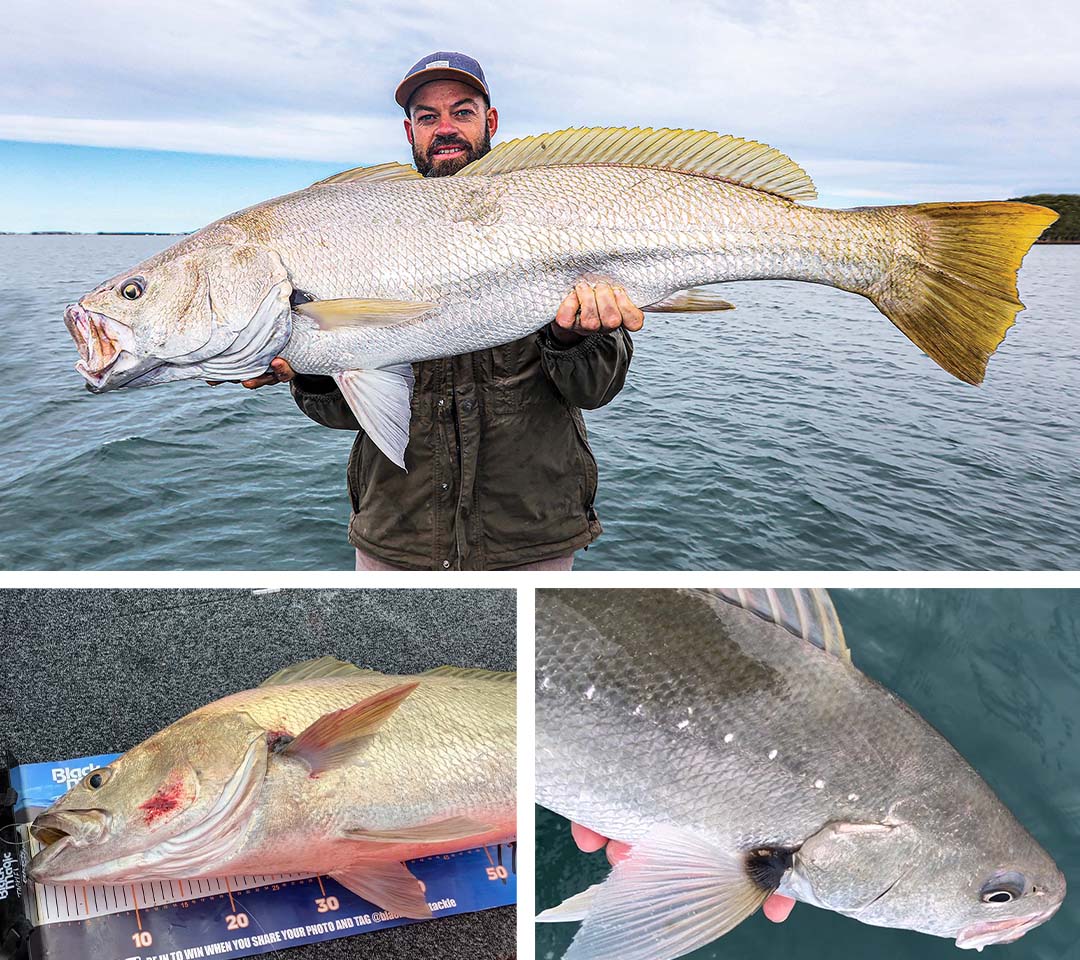
The Right Gear for Brutal Terrains!
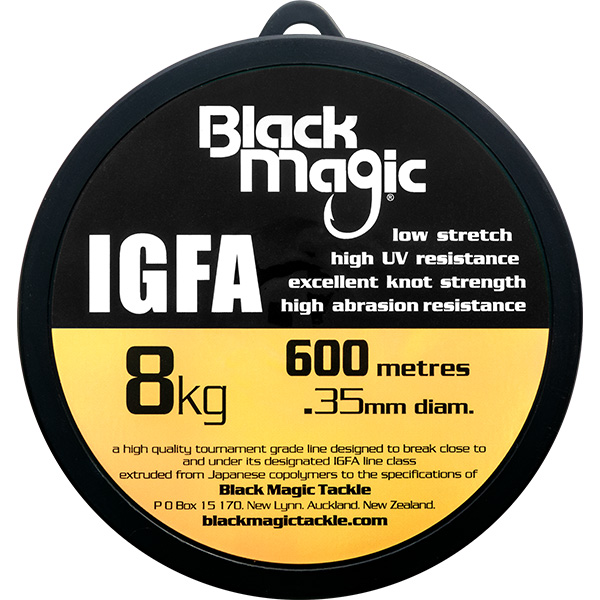
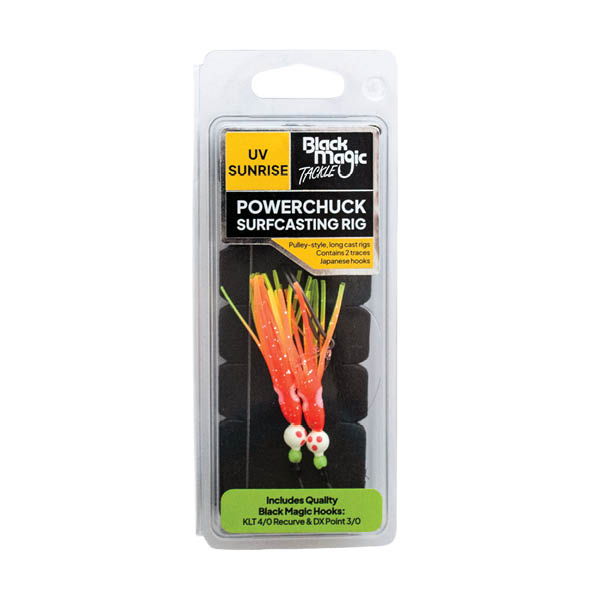
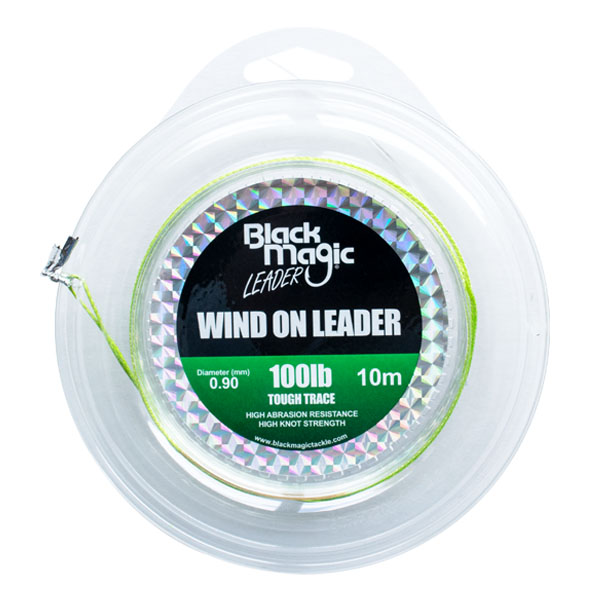
Break walls are unforgiving environments. Mulloway aren't necessarily dirty fighters, but their long, powerful runs will easily drag your line across sharp rocks and barnacles. You need heavy-duty terminal tackle that can handle extreme friction. Leigh recommends shaving two setups rigged and ready. Your primary weapon should be a heavy overhead or spin outfit loaded with 30lb braid, finished with a three-metre leader of 60lb Black Magic Tough Trace tied via an FG knot. For times when the fish are hesitant, a lighter 20lb spin outfit with a 20lb Black Magic Fluorocarbon Leader can entice a bite, though it will test your angling skills to the absolute limit.
Whichever you choose, use strong, needle-sharp hooks like Black Magic DX Point or C-Point hooks (ranging from 5/0 up to 7/0) and regularly check your leader for small nicks. A single scratch from a rock will cause instant heartbreak on the first explosive run. Baits, Lures, and the BiteLive bait is king. For schoolies up to 90cm, live Yellowtail Scad or Slimy Mackerel on a 5/0 hook are perfect. For monsters, upsize to a 30–40cm Sea Mullet or legal Tailor on atwin-hook snell rig with 7/0 DX Points. If bait is scarce, slowly hop a chartreuse soft plastic or weighted dart-spin lure on a 1oz jig head along the bottom. Mulloway are notoriously hesitant biters. If you feel a light tap-tap, resist the urge to strike early. Give the fish some slack line, count a few seconds for them to swallow the bait, and then firmly set the hook. Once pinned, hold on as they scream into the current. Just remember to stick to local bag limits—such as Queensland's sustainable limit of two fish over 75cm—to protect the future of the fishery.



.jpg)

.jpg)